

Colon cancer screening: Weighing the options
Colon cancer screening: Weighing the options Colon cancer screening can be an important part of routine health care. If you’re not sure which colon cancer screening test is best for you, ask yourself these questions. If your doctor has recommended colon cancer screening, you might be able to choose from various colon cancer screening tests. If you’re reluctant to make a decision, remember that any discomfort or embarrassment from colon cancer screening is temporary — and detecting problems early could save your life. Screening tests are used only if you don’t have bowel symptoms. If you have signs and symptoms — such as abdominal pain, a change in bowel habits, bleeding, constipation or diarrhea — then you’ll need other tests to address these problems. If you don’t have bowel symptoms, consider the following questions to help choose the colon cancer screening test that’s best for you. What preparation is involved? Preparing for colon cancer screening can be uncomfortable or inconvenient, but it’s necessary for the test to be effective. As part of your decision, consider your willingness or ability to follow the preparation instructions for specific colon cancer screening tests. This may — to varying degrees — include avoiding solid food the day before the exam, adjusting your medications, and using laxatives or enemas to empty your colon. How convenient is the test? In addition to test preparation, consider: How long the test will take How often you need to repeat the test Whether you’ll need sedation How much follow-up care you’ll need The possible need for follow-up testing to investigate a false-positive finding or to remove tissue What about cost and insurance issues? Find out how much each colon cancer screening test costs, as well as which tests your insurance company covers. Consider whether you’re willing to pay out of pocket if necessary. What is your attitude toward screening tests? The more thorough the colon cancer screening test, the more likely it is to detect any cancer or precancerous polyps. Conversely, a more thorough test might also mean more inconvenient or uncomfortable preparation, a slightly higher risk of serious complications, or both. Ask yourself: Will you feel best if you know you’ve chosen the most thorough screening test possible? Will you worry or doubt the results if you choose a less thorough test? How concerned are you about convenience, preparation or the possibility of serious complications? What is your doctor’s approach to screening tests? Make sure that you’re comfortable with the colon cancer screening test your doctor recommends. If your doctor specializes in a particular test, but you’d rather have another test, express your wishes. Your doctor might offer a referral to someone trained in the test with which you feel most comfortable. What is your risk level? Your risk of colon cancer might influence your choice of screening tests. If you have an increased risk of colon cancer, your doctor might recommend more frequent colon cancer screening with colonoscopy. Talk to your doctor about your colon cancer risk if you: Have a personal history of colon cancer or precancerous polyps Have a parent, sibling or child who has had colon cancer Carry a gene for a hereditary colon cancer syndrome Have a history of inflammatory bowel disease, such as ulcerative colitis or Crohn’s disease


8 ways to prevent Breast Cancer
Nearly everyone knows someone touched by the disease. But there is a lot of good news about breast cancer these days. Treatments keep getting better, and we know more than ever about ways to prevent the disease. These eight simple steps can help lower the risk of breast cancer. Not everyone applies to every woman, but together they can have a big impact. Keep Weight in Check It’s easy to tune out because it gets said so often, but maintaining a healthy weight is an important goal for everyone. Being overweight can increase the risk of many different cancers, including breast cancer, especially after menopause. Be Physically Active Exercise is as close to a silver bullet for good health as there is, and women who are physically active for at least 30 minutes a day have a lower risk of breast cancer. Regular exercise is also one of the best ways to help keep weight in check. Eat Your Fruits & Vegetables – and Avoid Too Much Alcohol A healthy diet can help lower the risk of breast cancer. Try to eat a lot of fruits and vegetables and keep alcohol at moderate levels or lower (a drink a day or under). While moderate drinking can be good for the heart in older adults, even low levels of intake can increase the risk of breast cancer. If you don’t drink, don’t feel you need to start. If you drink moderately, there’s likely no reason to stop. But, if you drink more, you should cut down or quit. Don’t Smoke Smokers and non-smokers alike know how unhealthy smoking is. On top of lowering quality of life and increasing the risk of heart disease, stroke, and at least 15 cancers – including breast cancer – it also causes smelly breath, bad teeth, and wrinkles. Now that’s motivation to stay smoke-free or work to get smoke-free. Breastfeed, If Possible Breastfeeding for a total of one year or more (combined for all children) lowers the risk of breast cancer. It also has great health benefits for the child. Avoid Birth Control Pills, Particularly After Age 35 or If You Smoke Birth control pills have both risks and benefits. The younger a woman is, the lower the risks are. While women are taking birth control pills, they have a slightly increased risk of breast cancer. This risk goes away quickly, though, after stopping the pill. The risk of stroke and heart attack is also increased while on the pill – particularly if a woman smokes. However, long-term use can also have important benefits, like lowering the risk of ovarian cancer, colon cancer, and uterine cancer – not to mention unwanted pregnancy – so there’s also a lot in its favor. If you’re very concerned about breast cancer, avoiding birth control pills is one option to lower risk. Avoid Post-Menopausal Hormones Post-menopausal hormones shouldn’t be taken long term to prevent chronic diseases, like osteoporosis and heart disease. Studies show they have a mixed effect on health, increasing the risk of some diseases and lowering the risk of others, and both estrogen-only hormones and estrogen-plus-progestin hormones increase the risk of breast cancer. If women do take post-menopausal hormones, it should be for the shortest time possible. The best person to talk to about the risks and benefits of post-menopausal hormones is your doctor. Tamoxifen and Raloxifene for Women at High Risk Although not commonly thought of as a “healthy behavior,” taking the prescription drugs tamoxifen and raloxifene can significantly lower the risk of breast cancer in a woman at high risk of the disease. Approved by the FDA for breast cancer prevention, these powerful drugs can have side effects, so they aren’t right for everyone. If you think you’re at high risk, talk to your doctor to see if tamoxifen or raloxifene may be right for you. Find Out Your Family History Women with a strong family history of cancer can take special steps to protect themselves, so it’s important for women to know their family history. You may be at high risk of breast cancer if you have a mother or sister who developed breast or ovarian cancer (especially at an early age) or if you have multiple family members (including males) who developed breast, ovarian or prostate cancer. A doctor or genetic counselor can help you understand your family history of the disease. Don’t Forget Screening Despite some controversy, studies show that breast cancer screening with mammography saves lives. It doesn’t help prevent cancer, but it can help find cancer early when it’s most treatable. For most women, regular mammograms can begin at age 40, but specific recommendations vary by age and risk. If you are age 40 – 44: You can choose to begin yearly mammograms. It is important to talk to a doctor about the risk and benefits of mammograms at these ages. If you are age 45 – 54: Mammograms are recommended every year. If you are age 55 or over: Mammograms are recommended every other year. You can choose to continue to have them every year. Clinical breast exams and self-exams are not recommended. But you should be familiar with your breasts and tell a health care provider right away if you notice any changes in how your breasts look or feel. Other Important Risk Factors for Breast Cancer Unfortunately, there are also a number of important breast cancer risk factors that women have no control over. Knowing which ones apply to you can help you understand your risk and do what you can to lower it. If you feel you’re at high risk, talk to a doctor or other health professional. These can increase a woman’s breast cancer risk: Older age, especially 60 years or over A family history of breast cancer First menstrual period (menarche) before age 12 Menopause at age 55 or over First childbirth after age 35 No children Tall height (5’8” or taller) Dense breasts History of benign breast disease (like atypical hyperplasia) Source: https://siteman.wustl.edu/prevention/take-proactive-control/8-ways-to-prevent-breast-cancer/
Tags: bestoncologydubai, bestoncologysurgeonuae, hipecDubai, thyroidsurgerydubai
Cancer Prevention: 7 tips to reduce your risk
Concerned about cancer prevention? Take charge by making changes such as eating a healthy diet and getting regular screenings. You’ve probably heard conflicting reports about cancer prevention. Sometimes a specific cancer-prevention tip recommended in one study is advised against in another. Often, what’s known about cancer prevention is still evolving. However, it’s well-accepted that your chances of developing cancer are affected by the lifestyle choices you make. So if you’re interested in preventing cancer, take comfort in the fact that simple lifestyle changes can make a difference. Consider these cancer-prevention tips. Don’t use tobacco Using any type of tobacco puts you on a collision course with cancer. Smoking has been linked to various types of cancer — including cancer of the lung, mouth, throat, larynx, pancreas, bladder, cervix and kidney. Chewing tobacco has been linked to cancer of the oral cavity and pancreas. Even if you don’t use tobacco, exposure to secondhand smoke might increase your risk of lung cancer. Read here to beat Lung Cancer. Avoiding tobacco — or deciding to stop using it — is an important part of cancer prevention. If you need help quitting tobacco, ask your doctor about stop-smoking products and other strategies for quitting. Eat a healthy diet Although making healthy selections at the grocery store and at mealtime can’t guarantee cancer prevention, it might reduce your risk. Consider these guidelines: Eat plenty of fruits and vegetables: Base your diet on fruits, vegetables and other foods from plant sources — such as whole grains and beans. Avoid obesity: Eat lighter and leaner by choosing fewer high-calorie foods, including refined sugars and fat from animal sources. If you choose to drink alcohol, do so only in moderation risk of various types of cancer — including cancer of the breast, colon, lung, kidney, and liver — increases with the amount of alcohol you drink and the length of time you’ve been drinking regularly. Limit processed meats: A report from the International Agency for Research on Cancer, the cancer agency of the World Health Organization, concluded that eating large amounts of processed meat can slightly increase the risk of certain types of cancer. In addition, women who eat a Mediterranean diet supplemented with extra-virgin olive oil and mixed nuts might have a reduced risk of breast cancer. The Mediterranean diet focuses mostly on plant-based foods, such as fruits and vegetables, whole grains, legumes, and nuts. People who follow the Mediterranean diet choose healthy fats, such as olive oil, over butter and fish instead of red meat. Maintain a healthy weight and be physically active Maintaining a healthy weight might lower the risk of various types of cancer, including cancer of the breast, prostate, lung, colon, and kidney. Physical activity counts, too. In addition to helping you control your weight, physical activity on its own might lower the risk of breast cancer and colon cancer. Adults who participate in any amount of physical activity gain some health benefits. But for substantial health benefits, strive to get at least 150 minutes a week of moderate aerobic activity or 75 minutes a week of vigorous aerobic activity. You can also do a combination of moderate and vigorous activity. As a general goal, include at least 30 minutes of physical activity in your daily routine — and if you can do more, even better. Protect yourself from the sun Skin cancer is one of the most common kinds of cancer — and one of the most preventable. Try these tips: Avoid midday sun: Stay out of the sun between 10 a.m. and 4 p.m., when the sun’s rays are strongest. Stay in the shade: When you’re outdoors, stay in the shade as much as possible. Sunglasses and a broad-brimmed hat help, too. Cover exposed areas: Wear tightly woven, loose-fitting clothing that covers as much of your skin as possible. Opt for bright or dark colors, which reflect more ultraviolet radiation than do pastels or bleached cotton. Don’t skimp on sunscreen: Use a broad-spectrum sunscreen with an SPF of at least 30, even on cloudy days. Apply sunscreen generously, and reapply every two hours — or more often if you’re swimming or perspiring. Avoid tanning beds and sunlamps: These are just as damaging as natural sunlight. Get vaccinated Cancer prevention includes protection from certain viral infections. Talk to your doctor about vaccination against: Hepatitis B.Hepatitis B can increase the risk of developing liver cancer. The hepatitis B vaccine is recommended for certain adults at high risk — such as adults who are sexually active but not in a mutually monogamous relationship, people with sexually transmitted infections, people who use intravenous drugs, men who have sex with men, and health care or public safety workers who might be exposed to infected blood or body fluids. Human papillomavirus (HPV).HPV is a sexually transmitted virus that can lead to cervical and other genital cancers as well as squamous cell cancers of the head and neck. The HPV vaccine is recommended for girls and boys ages 11 and 12. The U.S. Food and Drug Administration recently approved the use of vaccine Gardasil 9 for males and females ages 9 to 45. Avoid risky behaviors Another effective cancer prevention tactic is to avoid risky behaviors that can lead to infections that, in turn, might increase the risk of cancer. For example: Practice safe sex: Limit your number of sexual partners and use a condom when you have sex. The more sexual partners you have in your lifetime, the more likely you are to contract a sexually transmitted infection — such as HIV or HPV. People who have HIV or AIDS have a higher risk of cancer of the anus, liver, and lung. HPV is most often associated with cervical cancer, but it might also increase the risk of cancer of the anus, penis, throat, vulva, and vagina. Don’t share needles: Sharing needles with people who use intravenous drugs can lead to HIV, as well as hepatitis B and hepatitis C — which can increase the risk of liver cancer. If you’re concerned about
Tags: Cancer Prevention, Tips to reduce your risk, Ways to Prevent from Cancer
5 Ways to Heal Your Parathyroid Problem Naturally
Worldwide, every year lakhs of people develop parathyroid conditions. If you’re a woman aged 50 and above and have a family history of kidney stones, calcium imbalance, or vitamin deficiency, then you’re at an increased risk of developing a parathyroid disease. For those wondering how to reduce parathyroid hormone naturally, early diagnosis, proper lifestyle modification, and expert medical intervention are key. If you are living in Dubai, UAE, or anywhere in the Middle East, then Cancer Care Specialities MENA at Al Zahra Hospital offers the best parathyroid care in Dubai. Our center is renowned for treating various parathyroid-related disorders, including hyperparathyroidism and associated complications. We offer personalized care, and our doctors have extensive experience in delivering the most effective treatments. Managing parathyroid issues is possible with a combination of strategies. Many patients search for how to reduce parathyroid hormone naturally to avoid invasive procedures. At our center, we guide patients through lifestyle changes, appropriate dietary plans, and supplementation to support their recovery journey. In fact, how to reduce parathyroid hormone naturally is one of the most frequently asked concerns by patients, especially those dealing with primary or secondary hyperparathyroidism. Although medical treatments, dietary changes, supplements, and effective home remedies can help patients manage parathyroid conditions naturally, it’s important to recognize that in some advanced cases—especially if cancer is involved—surgical intervention may become necessary. If that’s the case, our team is fully equipped to provide surgical treatment that ensures patient safety and recovery. INCREASE CALCIUM INTAKE Increase your intake of calcium if you want to manage the parathyroid naturally. One of the best home remedy to increase the intake of calcium is to include foods such as milk and milk products, dark leafy greens, fortified juices, sardines, oats, beans, dairy and almonds in your dietary consumption. REDUCE PHOSPHOROUS INTAKE People suffering from hypoparathyroidism usually have the high level of phosphorous in their blood. Reduce the intake of phosphorous rich foods. Avoid eating eggs, red meat, refined foods, alcohol, tobacco, soda, etc. Excess of phosphorus intake can trigger the loss of calcium from bone, thereby boosting weakness. DRINK PLENTY OF FLUIDS Next to oxygen, water is the most essential part of human life. When you drink plenty of purified water, it helps to maintain your body’s fluid balance. Drinking a glass of water calms hypothyroidism symptoms by regulating body temperature, eliminating fatigue and loosening stool. AVOID SMOKING Smoking and thyroid disease have a cause-and-effect relationship. Smoking brings about changes in thyroid function tests, like a decrease in TSH and increase in thyroid hormones. Smoking may rapidly develop the disease, may reduce the effectiveness of the treatment you’re undergoing and eventually induce relapse. EXERCISE REGULARLY If you’re suffering from parathyroid, it is recommended that you regularly perform the exercise. From combating fatigue to preventing weight gain, there are many benefits to exercising when you have parathyroid problem. It will not only help with symptom management but will eventually boost your metabolism too. Keep in mind that if you have been diagnosed with thyroid cancer, surgery will be conducted to remove the same. But if it is a mild parathyroid problem, it can be cured naturally by bringing about some lifestyle changes and with proper medication. The team of thyroid specialists at Al Zahra Hospital provides the best parathyroid care in Dubai, Abu Dhabi, Middle East, and the MENA region. Follow the aforementioned plan to manage the problem parathyroid naturally. For those looking into natural treatment for hyperparathyroidism, options like hydration, vitamin D correction, and avoiding calcium supplements without medical advice are often recommended. These steps form part of a broader plan when exploring natural treatment for hyperparathyroidism, especially in mild cases. While these treatments may not cure the condition completely, they often help manage symptoms effectively. When patients inquire about natural treatment for hyperparathyroidism, we take a holistic approach, evaluating lifestyle, lab results, and imaging before recommending either continued observation or definitive surgery. If you or your loved one is seeking specialized and comprehensive care for any parathyroid condition in Dubai, UAE, look no further than Cancer Care Specialities MENA at Al Zahra Hospital, where expertise meets compassionate care.
Tags: Best Parathyroid Care In Dubai, Thyroid And Parathyroid Center In Dubai
What Foods You Should Eat After HIPEC Surgery?
If you have undergone any major gastrointestinal surgery or HIPEC surgery, you need to make sure that you intake sufficient nutrients once your bowels are functioning again properly. But you have to be careful about what you are eating, especially in the earlier weeks and make sure that the foods do not have any adverse impact. The Department of Cancer Care Specialities MENA at Al Zahra Hospital UAE has highly experienced nutritionists who prescribe the foods that rich in proteins and other essential vitamins and minerals to their patients. These foods enhance the healing process and make the patient lead the normal life once again. Below are enlisted some things to consider about what to eat and what not to eat after HIPEC surgery. Bread, cereals, and grams You can easily eat: White bread, plain white rolls, and white bread toast Plain pasta, noodles, white rice, melba, and zwieback Cereals without added whole grains, fiber, seeds, and raisins Use white flour and do not use cracked wheat Vegetables You can easily eat well-cooked fresh vegetables. Avoid canned vegetables as they have added preservatives. Vegetables are not only the powerhouse of calories you need but they also contain fiber which makes you feel fuller and cause you to eat less. Meat, fish, poultry, and protein Keep in mind that all meat, fish and poultry should be tender and does not have any gristle. You can eat fish and other ground meats. Avoid eating beef and white meat chicken. Eggs, sausage, shellfish, tofu, dark meat chicken, and bacon should be eaten with caution. Dairy, milk, and cheese When it comes to dairy products, be a bit slow. Start with small or medium amounts and that too processed ones. Dairy products can cause the problem of gas and acid reflux. Start with cheese and yogurt and then slowly make a shift towards puddings and cream based casseroles. Milk is a great source of calories, carbohydrates, protein, and fat. It keeps you healthy both physically and mentally and boost up the healing process. Fruit, sugar, juice, and desserts Fruits, sugar, juice, and desserts should form a part of your diet after HIPEC surgery simply because they contain carbohydrates. But be cautious. Start with small amounts and see how you do with them and then you can continue if you do not face any problems. Try eating soft and small amounts of fruit. Include applesauce in your diet plan. Avoid fruit juice for you’ll end up consuming lots of sugar once at a time. Cancer Care Specialities MENA is famous in UAE and across the globe for conducting minimally invasive HIPEC surgery. Our board-certified doctors always advise the aforementioned tips to all their patients to have a healthy life after surgery. To schedule an appointment with our doctor, contact us at +971 55 1010169.
Tags: Hipec surgery, Hipec surgery in UAE
Healthy Lifestyle That Breast Cancer Care Survivors Should Follow
Cancer is hard. The cancer treatment is even more frightening and heart-breaking. After you have passed those hurdles, you need to maintain a healthy lifestyle. The modern medical science has made our lives better. But along with this, you must take control of your health to enrich your life. A healthy lifestyle after breast cancer surgery should include: Maintain a Healthy Weight – Diagnosis of cancer is accompanied with the stress of the treatment, its side effects and the changes it will bring in life. It becomes difficult for the survivor to keep a check on her weight. Maintain a healthy weight by consulting a nutritionist. It’s the single and the most vital thing to improve the quality of your life after breast cancer surgery. Limit the Intake of Alcohol – Alcohol is a complicated issue especially for the survivors. Excessive alcohol consumption can cause risk in the near future. Therefore, try to avoid it as much as possible. Alcohol is also considered to be an unhealthy way to deal with the physical and emotional stress of cancer. Talk to your healthcare professional if you think you’ll face problem without consuming it. Maintain a Healthy Diet – As a survivor, it becomes difficult to keep track of the diet intake. Maintain a healthy diet as it will keep your weight in check, give your body the essential vitamins and minerals along with the energy you need to stay active all throughout the day. Try eating as much fruits, vegetables, whole grains as you can. And, avoid eating red meat. Follow food safety steps to avoid food poisoning. Quit Smoking – Quit smoking. It is the single best thing you can do as a breast cancer survivor. It will lower down the risk of developing breast cancer in the future. Along with it you will also prevent yourself from succumbing to heart diseases and stroke. Though it’s tough but not impossible. Maintain a Workout Regime – It’s tough for a lot of people to do exercise on a daily basis. For the survivors who have recently undergone breast cancer surgery, it’s all the more difficult. The benefits of regular activity includes: it boosts your health, it improves your mood and helps to avoid cancer-related fatigue issues. Regular workout also reduces the chances of recurrence and cut down the risk of chronic diseases. Cancer Care Specialities MENA at Al Zahra Hospital is the best breast cancer care center in Gulf, UAE, and Dubai. The team of board certified doctors always advise the aforementioned tips to all their patients to have a healthy life.
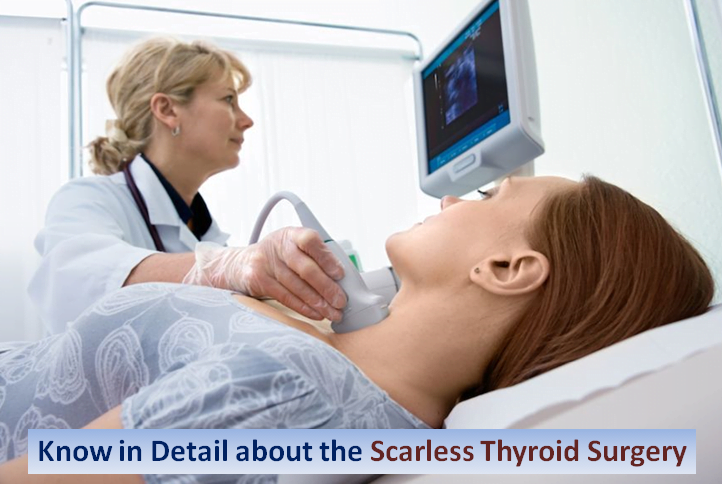
Know in Detail about the Scarless Thyroid Surgery
Will you undergo thyroid surgery soon? Are you worried about having a visible scar on your neck afterwards? Don’t worry! The old traditional method has been replaced by the new surgical technique – scarless thyroid surgery. It leaves no scar on the neck. In some cases, it might result in easier recovery after surgery. At Neuro Spinal Hospital, the surgical team of Cancer Care Specialities offers scarless thyroid surgery in UAE to patients with abnormal thyroid or parathyroid glands. The novel approach leaves no visible scar. How does it work? In the scarless thyroid surgery instead of making an incision in your neck, surgeons use this technique to access thyroid glands through a small cut made in your armpit. Using robotics arms, a monitor and a machine to control the arms, a surgeon performs the surgery. This helps the surgeon to get precise and clear magnification of the thyroid gland thereby reducing the risk of complications. Instead of two, only one incision is made This technique for scarless thyroid surgery in UAE is popular amongst the patients because the whole thyroid gland is removed through a single armpit incision. This is far better than making an incision in both armpits or a big scar over the neck. However, this procedure is technically very demanding but it makes a comfortable journey for the patient to recover. Benefits of the Scarless Thyroid Surgery The biggest advantage is that you won’t find any visible scars on the neck while allowing complete removal of the thyroid and parathyroid glands. Magnification by the robotics allows clear visualization of important structures such as the nerves and the parathyroid glands. Just one incision and whole of the thyroid gland can be removed. Also, the scars made get healed over time. Traditional Surgery vs. Scarless Technique Although scarless thyroid surgery might sound appealing, but it isn’t for everyone. You should undergo scarless thyroid surgery only if: Your body weight is normal because this type of surgery can be performed on people who are overweight. You have small sized thyroid nodules without associated conditions, namely thyroiditis or Grave’s disease. Follow Up Care Once the procedure is over, the patients stay at the hospital overnight so that the team can monitor recovery after surgery and anesthesia. The next day, if the patient does not suffer from any problems, they are discharged. Ideally, they are recommended to take rest for a day or two. But you can resume your work only after 2-3 weeks. Small stitches dissolve on their own after some time. Transforming Scarless Thyroid Surgery Care Now you know in detail about the scarless thyroid surgery, so contact our experienced surgeon for comprehensive care. Located in the heart of Dubai, Cancer Care Specialities MENA conducts scarless thyroid surgery in UAE by using the latest technology and information management protocols to improve the overall health outcomes.
Book an Appointment with Dr. Arun Kanala for Pneumothorax Treatment
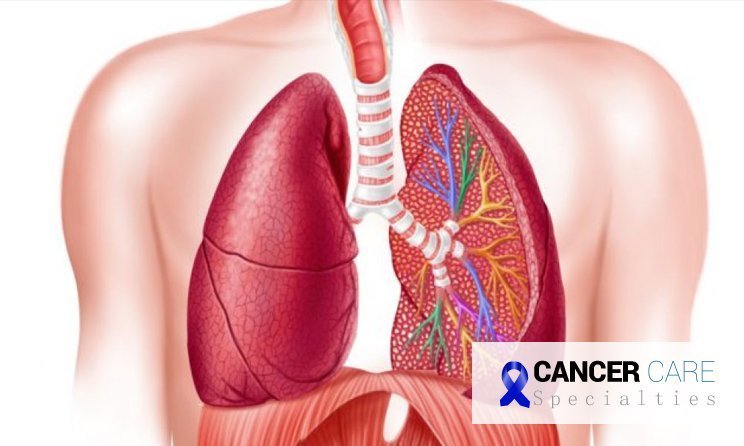
Book an Appointment with Dr. Arun Kanala for Pneumothorax Treatment A pneumothorax is a collapsed lung which occurs when air leaks into the space between your lung and chest wall. This air pushes on the outside of your lung and makes it collapse. At Dubai-based Al Zahra Cancer Center, we conduct pneumothorax surgery to remove blood or air in the chest cavity particularly after trauma. The surgery is conducted under the guidance of Dr. Arun Kanala – a board-certified thoracic surgeon with years of surgical experience. Pneumothorax treatment in Dubai’s Al Zahra Hospital completely depends on the severity of your condition. It also depends if you’ve earlier experienced pneumothorax and what symptoms you are experiencing. Both surgical and non-surgical treatments are available. While the small pneumothorax without underlying lung disease may resolve on its own in one to two weeks. The larger pneumothorax associated with underlying lung disease often require aspiration of the free air and/or placement of a chest tube to evacuate the air. The outcome of pneumothorax depends upon the extent and type of pneumothorax. The recurrence rate for both primary and secondary pneumothorax is about 40%; most recurrences occur within 1.5 to 2 years. Integrating leading edge standards and comprehensive care to dramatically change the prognosis and treatment of different cancers is the key of our Al Zahra Cancer initiative. Located in the heart of Dubai, we provide the best suitable treatment of Pneumothorax at Al Zahra Cancer Center.

LIVING WITH HEALTHY LUNGS
LIVING WITH HEALTHY LUNGS by Dr. Ali Aldameh, Consultant Surgeon, General, Thoracic , Laparoscopic Surgery Lungs keep us alive and well and for the most part, we don’t need to think about them. Here are some ways to keep your lungs healthy. Don’t Smoke Cigarette smoking is the major cause of lung cancer and chronic obstructive pulmonary disease (COPD), which includes chronic bronchitis and emphysema. Cigarette smoke can narrow the air passages and make breathing more difficult. Over time cigarette smoke destroys lung tissue, and may trigger changes that grow into cancer. If you smoke, it’s never too late to benefit from quitting. Avoid Exposure to Pollutants That Can Damage Your Lungs Secondhand smoke, outdoor air pollution, chemicals in the home and workplace, and radon all can cause or worsen lung disease. Make your home and car smoke free. Prevent Infection Wash your hands often with soap and water. Alcohol-based cleaners are a good substitute if you cannot wash. Avoids crowds during the cold and flu season. Get vaccinated every year against influenza. Talk to your healthcare provider to find out if the pneumonia vaccine is right for you. Regular check-ups help prevent diseases, even when you are feeling well. This is especially true for lung disease, which sometimes goes undetected until it is serious. During a check-up, your healthcare provider will listen to your breathing and listen to your concerns. Exercise: Aerobic exercise helps improve your lung capacity. Specific breathing exercises can also help improve your lung function. Exercise and breathing techniques are also great for improving your mood and helping you relax.
Latest News
-

-

-

-

Prostate Cancer Survivor Stories That Inspire Hope
09 Jul, 2026 -

Seminar & Events
-

Baghdad clinic
30 Sep, 2024 -

Saudi German Hospital
26 Sep, 2024 -
Oncology Program
16 Sep, 2024 -

Oncology marketing
06 Sep, 2024 -
CAR-T THERAPY
14 Aug, 2024