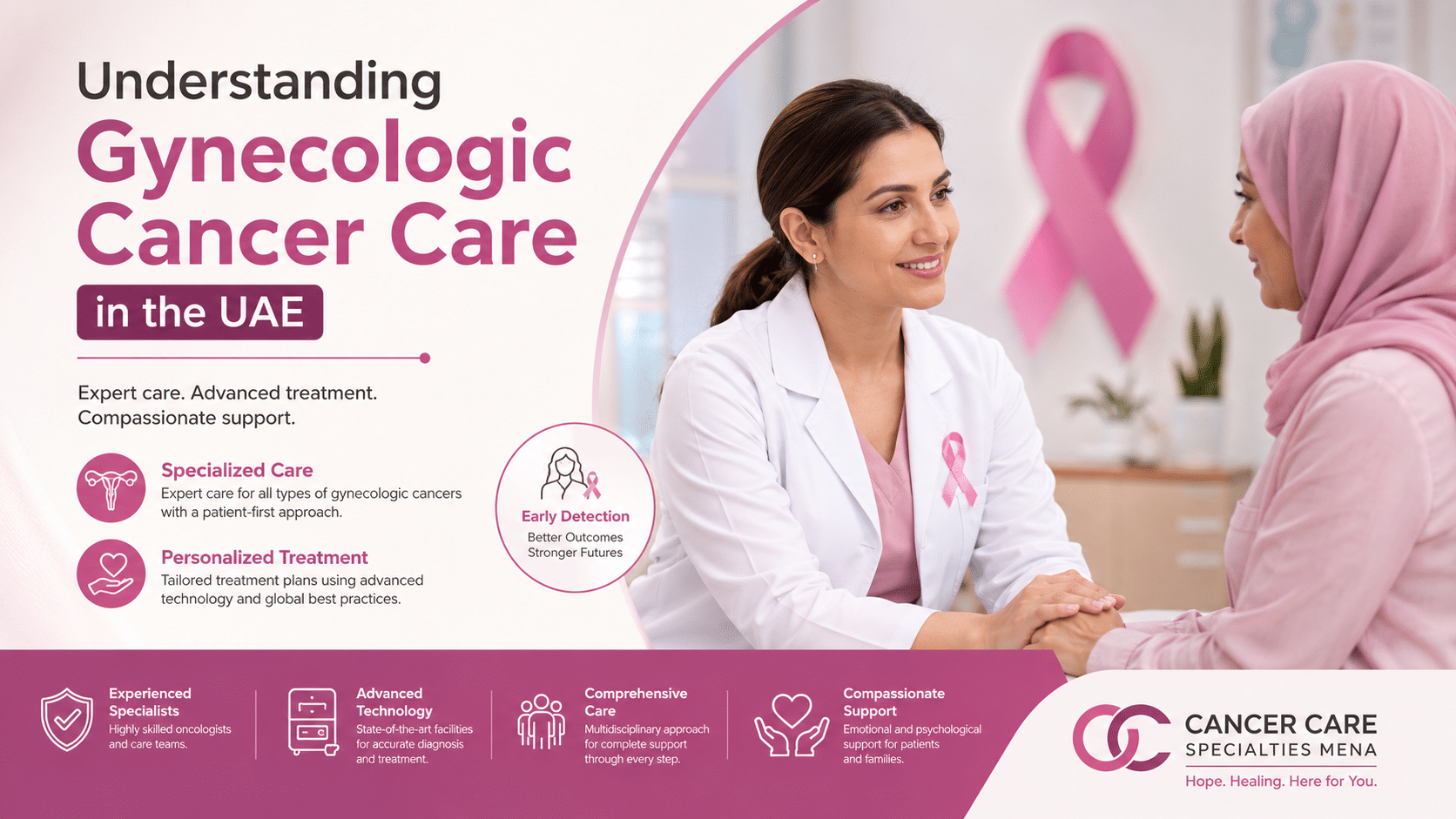
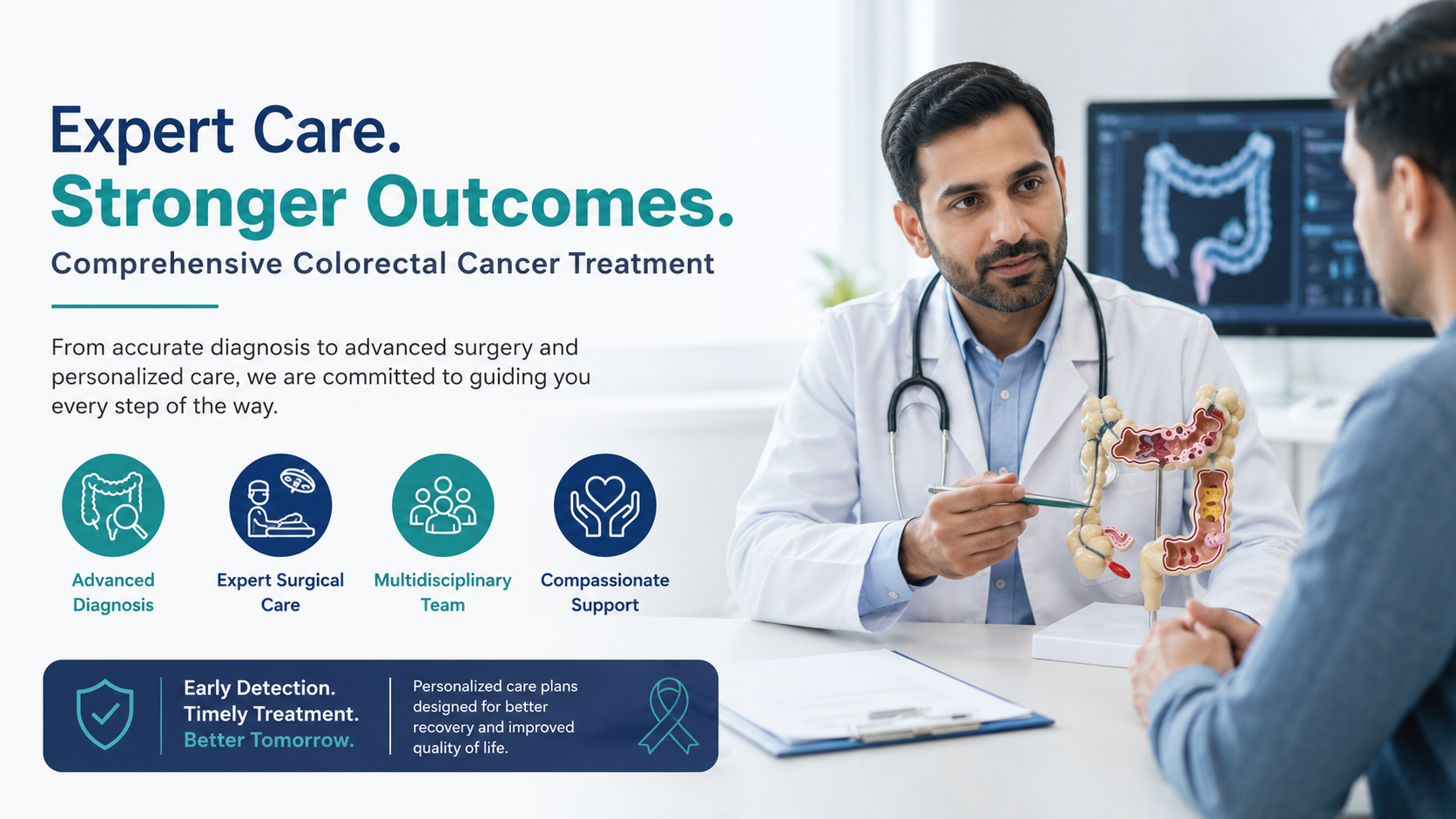
Walk into a leading hospital in the United Arab Emirates today, and the difference is hard to miss. Cancer care here has changed – quickly, and in meaningful ways. Patients are no longer just “treated.” They’re guided, monitored, and supported through a system that’s becoming increasingly precise and patient-focused. Advanced cancer care in the UAE is not just about technology. It’s about coordination, access, and – let’s be honest – expectation. Patients today want clarity, faster decisions, and real answers. And the system is slowly adapting to that demand. What Makes Cancer Care “Advanced” Today? It’s easy to assume “advanced” means expensive machines. That’s only part of the story. In cities like Dubai and Abu Dhabi, cancer care is increasingly built around multidisciplinary teams. Surgeons, medical oncologists, and radiation specialists sit together, review your case, and decide collectively. This approach matters more than people realize. A patient with breast cancer, for example, may not just see one doctor. They might go through imaging, surgical evaluation, and systemic therapy planning – all within days, not weeks. That’s where cancer treatment in the UAE has made real progress. And yes, technology plays its role: But without coordination, even the best tools fall short. What Does The Patient Journey Actually Look Like? Let’s break this down in practical terms. A typical patient pathway in advanced cancer care in the UAE often includes: 1. Fast-Tracked Diagnosis In many top centers, this happens quickly. Sometimes within 48–72 hours. That speed reduces anxiety – and more importantly, delays in treatment. 2. Tumor Board Decision-Making Here’s something patients don’t always see. Behind the scenes, a panel of specialists reviews your case. They debate. They challenge each other. They refine the plan. That’s not overkill. That’s good medicine. 3. Personalised Treatment Plan Depending on the cancer type and stage, treatment may include: Increasingly, cancer patient care services in the UAE also include nutritional guidance, psychological support, and rehabilitation. The Technology Is Impressive – But That’s Not The Whole Story Yes, the UAE has cutting-edge tools. But here’s a truth patients should know: Technology doesn’t guarantee outcomes. Expertise does. A well-planned surgery in an experienced center often matters more than having access to the latest machine. The same applies to radiation planning and systemic therapy decisions. That’s why choosing the right facility for cancer treatment in the UAE is still critical. Not all centers operate at the same level, despite similar marketing claims. A Common Misconception Patients Still Have Many patients assume: “If it’s in the UAE, it must be world-class.” That’s not always accurate. There are over 30 cancer treatment facilities across the country. Some are highly advanced. Others are still developing their oncology programs. So what should patients do? Ask direct questions: These aren’t difficult questions. But they reveal a lot. What About Support Beyond Treatment? This is where things get interesting – and sometimes inconsistent. Cancer patient care services in the UAE are improving, especially in larger hospitals. You’ll find: But access can vary depending on the hospital and insurance coverage. Palliative care, for example, is available in major centers – but not uniformly across all facilities. Hospice-style care is still evolving. So yes, the system is strong. But it’s not identical everywhere. Where Is UAE Cancer Care Headed? There’s a clear direction. The country is investing heavily in becoming a regional hub for oncology. With national health strategies aiming to reduce cancer mortality, the focus is shifting toward: Will it match top global centers across all metrics? Not yet. But it’s moving fast – and in the right direction. Conclusion If you’re navigating a cancer diagnosis, understanding how advanced cancer care in the UAE works can make a real difference. The system offers strong infrastructure, experienced specialists, and access to modern treatments – but outcomes depend on where and how you’re treated. Patients looking for coordinated care, second opinions, or access to experienced oncology teams can consider consulting Cancer Care Specialties MENA. Their network connects patients with leading specialists and structured treatment pathways across the region – helping you make informed decisions when it matters most. FAQs 1. What Defines Advanced Cancer Care In The UAE?It includes multidisciplinary treatment, modern technologies, and coordinated planning across specialists to improve patient outcomes and treatment accuracy. 2. How Quickly Can Cancer Treatment Begin In The UAE?In leading hospitals, diagnosis and treatment planning can begin within a few days, depending on case complexity. 3. Are Cancer Patient Care Services In The UAE Comprehensive?Top hospitals offer counselling, nutrition, and rehabilitation, but services may vary depending on the facility and insurance coverage. 4. Is Cancer Treatment In The UAE Comparable To Global Standards?Many leading centers meet international standards, though quality and expertise can vary between hospitals. 5. Do Patients Have Access To Advanced Therapies?Yes, including immunotherapy, targeted therapy, and precision radiation, especially in specialized oncology centers.
Let’s be honest – most people don’t think about cancer until something feels off. A lump, unexplained fatigue, maybe persistent pain. By then, the question isn’t what if, it’s how far it has gone? That’s exactly where early cancer detection changes everything. Catching cancer early doesn’t just improve outcomes – it often shifts the entire treatment journey. Less aggressive therapies. Better recovery. In many cases, significantly higher survival chances. In the UAE, where access to advanced care is strong, the real gap isn’t treatment – it’s timing. And timing, in oncology, is everything. Why Early Detection Makes Such A Big Difference Cancer doesn’t become dangerous overnight. It progresses in stages. The earlier it’s found, the more contained it is – and the easier it is to treat. Here’s the reality clinicians see every day: This is the importance of early diagnosis of cancer in practical terms – not theory. Early detection allows: And importantly, patients maintain a better quality of life during and after treatment. What Are The Most Effective Cancer Detection Methods? You don’t need to wait for symptoms to act. In fact, that’s the point – many cancers show no signs early on. Modern cancer detection methods focus on screening people before symptoms appear. Common and effective options include: Routine Screening Tests These cancer screening tests are widely available across the UAE, especially in Abu Dhabi and Dubai. Advanced Imaging Clinical Evaluations Doctors often detect early warning signs during routine check-ups – something as simple as a physical exam can raise a red flag. The truth? These tools work. But only if people actually use them. The UAE Reality: Access Is High, Participation Isn’t Here’s an uncomfortable truth from clinical data – screening uptake in the UAE is still lower than expected. For example: Why does this happen? Yet the system is already in place. Government-led initiatives and hospital programs offer structured cancer screening tests across the country. The challenge isn’t availability. It’s an action. What Happens When Cancer Is Detected Early? The difference isn’t subtle – it’s dramatic. Let’s take a practical scenario: A patient with early-stage breast cancer: Now compare that to a late-stage diagnosis: That gap in outcomes reflects the early-stage cancer survival rate, which drops significantly as the disease advances. From a clinical standpoint, early detection often turns cancer into a treatable condition rather than a life-threatening crisis. A Common Misconception: “No Symptoms Means No Risk” This belief is more dangerous than people realize. Many cancers – especially breast, colorectal, and even lung cancer – can develop silently. No pain. No visible signs. So when someone says, “I’ll get checked if something feels wrong,” it’s already late in many cases. This is why doctors stress the importance of early diagnosis of cancer through routine screening, not symptom-based action. If you’re over 40, or have risk factors like smoking or family history, waiting for symptoms is not a strategy – it’s a gamble. Simple Steps That Can Make A Real Difference Early detection doesn’t require drastic lifestyle changes. It requires consistency. Here’s what actually works: And perhaps the most overlooked step: stop postponing appointments. That “next month” habit costs time you don’t have. Conclusion Early diagnosis isn’t just a medical advantage – it’s a survival strategy. The shift from late-stage to early cancer detection can mean the difference between complex, prolonged treatment and a far more manageable path to recovery. If you’ve been delaying a screening or ignoring subtle symptoms, now is the time to act. Access to advanced care and screening programs is already available across the UAE – you just need to use it. For those seeking expert evaluation, second opinions, or access to coordinated oncology care, Cancer Care Specialties MENA connects patients with experienced specialists and screening services across leading hospitals in the region. FAQs 1. What Is Early Cancer Detection?Early cancer detection means identifying cancer before symptoms appear, often through routine cancer screening tests and medical check-ups. 2. Why Is Early Diagnosis Of Cancer Important?The importance of early diagnosis of cancer lies in higher survival rates, simpler treatments, and reduced risk of disease spread. 3. Which Cancer Detection Methods Are Most Effective?Common cancer detection methods include mammograms, colonoscopy, CT scans, and clinical exams based on age and risk factors. 4. What Is The Early-Stage Cancer Survival Rate?The early-stage cancer survival rate can exceed 90% for certain cancers when diagnosed and treated at Stage 1 or 2. 5. How Often Should I Take Cancer Screening Tests?Cancer screening test frequency depends on age and risk; most adults should follow annual or doctor-recommended screening schedules.

Eid Mubarak is a time that brings a renewed sense of warmth, reflection, and connection. Homes come alive with gatherings, shared meals, and meaningful conversations that often get missed in everyday routines. Beyond the celebrations, this occasion carries a deeper message – one that centres on hope, reassurance, and the importance of taking care of ourselves and those around us. Coming Together Matters More Than Ever Eid has a way of bringing people closer. Sitting with family, reconnecting with friends, and simply being present create a sense of comfort that stays long after the celebrations end. These shared moments offer emotional strength and remind us how important it is to stay connected. Even small gestures – like a thoughtful check-in or a kind word – can make someone feel supported and valued. Enjoying the Festivities Without Overdoing It Celebration naturally includes rich food, long days, and busy schedules. While it’s important to enjoy these traditions, balance helps you stay comfortable and energised throughout. Staying aware in simple ways allows you to enjoy every moment without feeling overwhelmed. A Gentle Reminder of Care Eid also creates space to be more attentive – not just to yourself, but to others. Sometimes, a casual conversation can reveal concerns that have been overlooked. Encouraging someone to seek advice, or even taking note of small changes, can make a meaningful difference over time. This isn’t about worry – it’s about staying informed and taking small, sensible steps when needed. Carrying the Spirit Beyond Eid As the celebrations wind down, the essence of Eid remains. It encourages a way of living that values both joy and care equally. Holding onto this balance can bring a greater sense of stability and confidence in the long run. Eid Mubarak – may this occasion bring comfort, strength, and positivity, and may it inspire a continued focus on care, connection, and a healthier path forward for you and your loved ones.
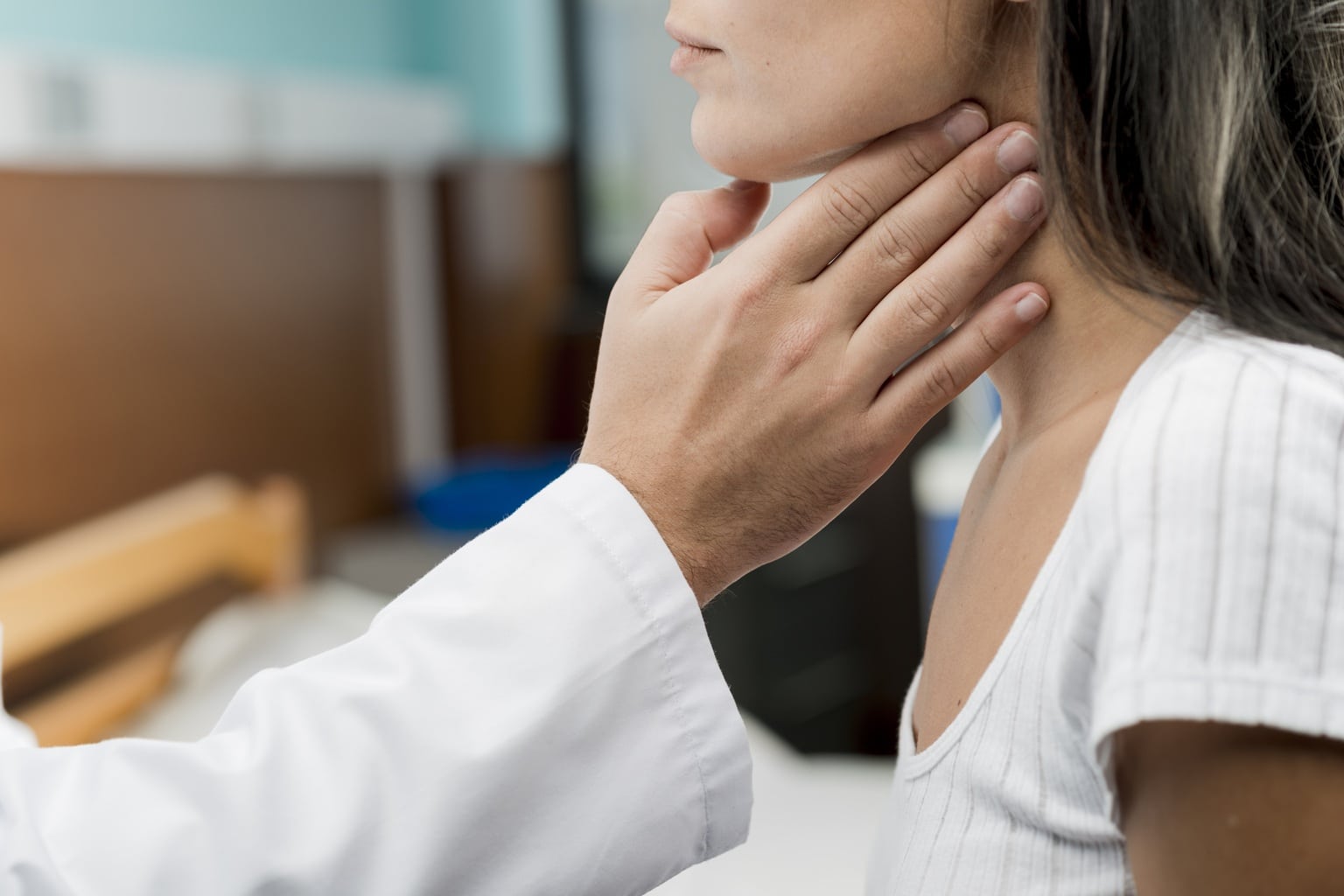
Head and Neck Cancer refers to a group of cancers that develop in the mouth, throat, nose, sinuses, or salivary glands. These cancers typically begin in the thin lining of these areas, called squamous cells. Although they may develop slowly, early detection is critical because timely treatment greatly improves outcomes. Many patients first notice unusual symptoms such as persistent mouth sores, voice changes, or difficulty swallowing. Seeking medical advice early allows doctors to diagnose the condition accurately and start appropriate treatment. Today, modern therapies such as surgery, targeted medicines, and radiation therapy for head cancer offer effective treatment options. Care delivered through a specialized head neck oncology center helps ensure patients receive coordinated and comprehensive cancer care. What Is Head And Neck Cancer? Head and Neck Cancer includes cancers that arise in several parts of the upper body, including: Oral cavity (lips, tongue, and inner cheeks) Throat or pharynx Voice box (larynx) Nasal cavity and sinuses Salivary glands About 90% of these cancers are squamous cell carcinomas, meaning they develop in the mucosal lining of the mouth or throat. The most common risk factors include: Tobacco use, including smoking or chewing tobacco Heavy alcohol consumption Infection with the human papillomavirus (HPV) Long-term irritation or poor oral hygiene People who experience persistent symptoms should consult a throat cancer specialist for early evaluation and diagnosis. What Symptoms Should Patients Watch For? Symptoms of Head and Neck Cancer can vary depending on the location of the tumor. However, many early signs are persistent and do not heal on their own. Mouth And Oral Cavity Symptoms White or red patches inside the mouth Non-healing sores or ulcers Pain in the mouth or loose teeth In such cases, doctors may evaluate patients for conditions that could require oral cancer treatment in the UAE. Throat And Voice Box Symptoms Persistent sore throat Difficulty swallowing Hoarseness or voice changes These symptoms often require evaluation by a throat cancer specialist, especially if they last more than two weeks. Neck And Nasal Symptoms Painless lump or swelling in the neck Frequent nosebleeds Facial pain or numbness Because these symptoms can resemble common infections, medical evaluation is essential if they persist. How Is Head And Neck Cancer Diagnosed? Early and accurate diagnosis is essential for effective treatment of Head and Neck Cancer. Doctors usually begin with a detailed examination and medical history. Physical Examination Doctors inspect the mouth, throat, and neck and check for swollen lymph nodes. Endoscopy A flexible tube with a small camera is used to examine deeper areas such as the throat or voice box. Imaging Tests Advanced imaging helps determine the size and spread of tumors: CT scans assess bone involvement and tumor spread MRI scans provide detailed images of soft tissues PET scans detect cancer activity in different parts of the body Biopsy A biopsy confirms the diagnosis by examining tissue under a microscope. In some cases, a fine needle aspiration biopsy is used to test lumps in the neck. These diagnostic procedures are often coordinated through a specialized head and neck oncology center to ensure accurate staging and treatment planning. What Modern Therapies Are Available? Treatment for Head and Neck Cancer is usually planned by a team of specialists, including surgeons, medical oncologists, and radiation oncologists. Surgery Surgery aims to remove tumors while preserving essential functions such as speech and swallowing. Modern surgical techniques include: Transoral robotic surgery, which allows surgeons to remove tumors through the mouth without external incisions Laser microsurgery, often used for tumors in the voice box Reconstructive surgery to restore appearance and function Patients diagnosed with tumors in the mouth may require specialized oral cancer treatment in the UAE, including surgical procedures followed by additional therapies. Radiation Therapy Radiation therapy for head cancer uses high-energy radiation to destroy cancer cells. Advanced techniques include: Intensity-Modulated Radiation Therapy (IMRT) for precise targeting of tumors Image-Guided Radiation Therapy (IGRT) to improve treatment accuracy These methods help minimize damage to surrounding healthy tissue. Systemic Treatments In some cases, doctors recommend additional therapies such as: Chemotherapy combined with radiation Targeted therapy that attacks specific cancer cell receptors Immunotherapy that stimulates the immune system to fight cancer Treatment plans are usually coordinated at a head and neck oncology center, where specialists work together to determine the most effective approach. Can Head And Neck Cancer Be Prevented? Although not all cases are preventable, certain lifestyle choices can reduce risk. Preventive measures include: Avoiding tobacco products Limiting alcohol intake Maintaining good oral hygiene Considering HPV vaccination Regular dental and medical checkups also help detect early signs of Head and Neck Cancer before symptoms become severe. Conclusion Early detection and timely treatment significantly improve outcomes for patients diagnosed with cancers of the mouth and throat. Advances in surgery, targeted medicines, and radiation therapy for head cancer have made treatment more precise and effective than ever before. Access to care through a specialized head and neck oncology center ensures that patients benefit from a multidisciplinary team and modern treatment technologies. Patients seeking expert consultation, second opinions, or guidance for oral cancer treatment in the UAE can connect with experienced oncology specialists through Cancer Care Specialties MENA, helping them access advanced cancer care across leading hospitals in the region. FAQs 1. What Are The Early Symptoms Of Head And Neck Cancer?Common signs include persistent mouth sores, hoarseness, swallowing difficulty, or lumps in the neck that do not resolve. 2. When Should I See A Throat Cancer Specialist?If throat pain, voice changes, or swallowing difficulty last longer than two weeks, consult a throat cancer specialist. 3. Is Radiation Therapy Used For Treating Head Cancer?Yes, radiation therapy for head cancer precisely targets tumors and is often combined with surgery or chemotherapy. 4. Where Can Patients Receive Advanced Treatment For Oral Cancer?Patients can access multidisciplinary care and oral cancer treatment in the UAE through specialized oncology centers and experienced cancer specialists.
Tags: Head and Neck Cancer, oral cancer treatment UAE, throat cancer specialist#bestprostatesurgeonuae | #topprostatehospitaluae | #bladdercanceruae | #testiculartumoruae | #roboticsurgeryuae | #kidneytumoruae | #kidneystoneuae | #bestgynecologistoncologyuae | #ovariantumoruae | #uterinetumoruae | #bestthoraciconcologysurgeonuae | #mesitholmahioecuae | #hipeconcologyteam | #sarcomauae | #SleeveSurgerydubai | #SleeveSurgeryUAE | #SleeveSurgerymena | #BypassSurgerydubai | #BypasssurgeryUae | #BypasssurgeryAbudhabi | #Gastricballoondubai | #Stomachballondubai | #StomachbandUae | #Stomachbanddubai | #Weightlossdubai | #Endoscopicsleevedubai | #Laparoscopicherniadubai | #Hiatusherniadubai | #Hemorrhoidsurgerydubai | #Refluxdiseasedubai | #Bestanorectalsurgeondubai | #Proctologydubai | #Bestbariatricsurgeondubai | #Diabeticsurgerydubai | #Metabolicsurgerydubai | #Lasersurgerydubai | #Stomachdiseasesdubai
#SleeveSurgerydubai #SleeveSurgeryUAE #SleeveSurgerymena #BypassSurgerydubai #BypasssurgeryUae #BypasssurgeryAbudhabi #Gastricballoondubai #Stomachballondubai #StomachbandUae #Stomachbanddubai #Weightlossdubai #Endoscopicsleevedubai #Laparoscopicherniadubai #Hiatusherniadubai #Hemorrhoidsurgerydubai #Refluxdiseasedubai #Bestanorectalsurgeondubai #Proctologydubai #Bestbariatricsurgeondubai #Diabeticsurgerydubai #Metabolicsurgerydubai #Lasersurgerydubai #Stomachdiseasesdubai
#hipecdubai #parotiddubai #colorectalsurgerydubai #bestoncologyuae #bestbrestsurgerydubai #parathyroidsurgerydubai #thyroiddubai #bestsurgeondubai #oncoplasticbreastsurgerydubai #bestfistulasurgeonuae #bestrefluxsurgeryuae