
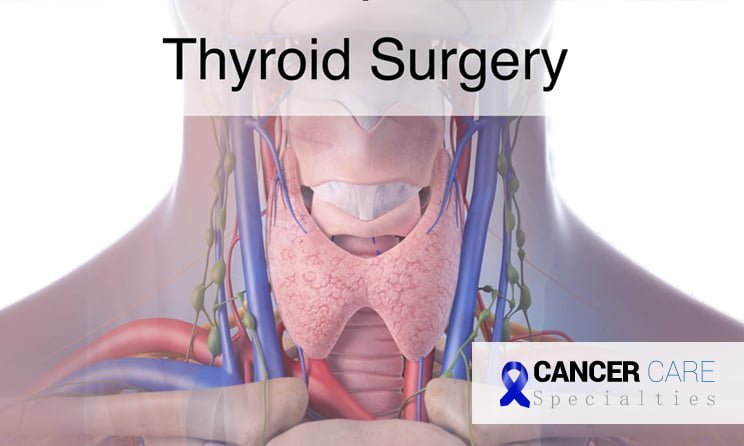
Cancer Care Specialties offers Minimally Invasive Thyroid Surgery
Cancer Care Specialties offers Minimally Invasive Thyroid Surgery Thyroid is a butterfly shaped gland that sits in the lower front part of the neck, just below the voice box. Our thyroid gland is responsible for producing hormones that the blood carries to every tissue in the body. It helps to regulate the body’s metabolism including weight, heart rate, temperature, and mental alertness. Sometimes the thyroid starts producing too much hormone which might also lead to structural problems such as swelling or the growth of cysts or nodules. In such case, thyroid surgery is recommended. Thyroid surgery involves removal of all or partial thyroid gland. At Al Zahra Oncology Center in Dubai, we have the best thyroid surgeons who perform minimally invasive thyroid surgery while the patient is under general anesthesia. With the advancement in science and technology, minimally invasive surgery has come into play. Gone are the days when there happen to be a long scar on the neck for thyroid surgery. Cancer Care Specialties is the best thyroid center in Dubai and part of Al Zahra Hospital. It specializes in providing the latest minimally invasive techniques for complete care of thyroid diseases. Being the best thyroid center in UAE, we adopt all diagnostic procedures and latest non-surgical and surgical techniques for the best outcomes. Types of thyroid surgery Lobectomy – When inflammation and swelling affect only half of the thyroid gland, the surgeon removes one lobe of the thyroid gland. The other lobe will retain some or all of its functions. Subtotal Thyroidectomy – In this surgery, the surgeon removes most part of the thyroid gland, leaving behind a small amount of thyroid tissue to preserve some thyroid functions. Such individuals in the future might develop hypothyroidism. Total Thyroidectomy – In such type of surgery, the entire thyroid gland is removed. The surgery is best suitable when cancer is present in the thyroid gland. After care in thyroid surgery Although patients who have undergone minimally invasive thyroid surgery can resume the normal activities a day after they are discharged from the hospital, but it is recommended to take rest for at least 10 days or until your doctor permits. Do not engage in strenuous activities for a month until you recover completely. You might feel that your throat is soar for several days. The doctor will also advise you to take pain killers to get relief from the soreness or any pain. If you find no relief from these medications, the doctor might also give you narcotic pain medication. Risks of thyroid surgery Like any other surgery, thyroid surgery has its own risks such as an adverse reaction to anesthesia, heavy bleeding and infection. The two common risks seen in thyroid patients are: Damage to the laryngeal nerves which are connected to your vocal cords. Damage to the parathyroid glands that control your body’s calcium level. Looking for board certified experienced and best thyroid surgeons in UAE for performing thyroid surgery? At Cancer Care Specialties in Dubai, we apply technological advances to conduct thyroid surgery with utmost care and perfection. Being the best thyroid center in UAE, we have at our disposal all the advanced tools, equipment, and valuable experience to complete your treatment and help you get back in shape in a fast and effective manner.
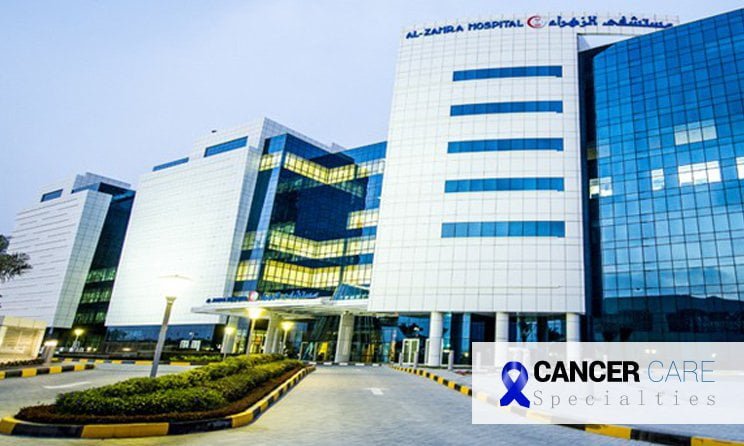
Al Zahra Cancer Initiative Aims to Transform Cancer Care in Dubai and UAE
May 10, 2018; Dubai, UAE: Al Zahra Cancer Center, a top multi-specialty hospital in Dubai providing quality and trusted healthcare services, is proud to make you aware about the Al Zahra Cancer Initiative. It is an ambitious program that aims to transform the care experience of every cancer patient being treated in Dubai, UAE and MENA. Al Zahra Cancer Center has the best team of oncologists who provide a comprehensive range of oncology services including surgical, medical and radiation. Its Al Zahra Cancer Initiative combines the latest use of technology and information management protocols with multi-disciplinary, patient-centered care to improve quality of life and overall health outcomes. The Center hosts highly specialized surgical oncology sub-specialties, including Colorectal, Breast Oncology, Head & Neck Surgery, Urology, Gynecological Oncology, Sarcoma / Melanoma and Peritoneal Surface Malignancy, in addition to Pancreatic and Hepatic Surgery. Dr. Sadir Alrawi, who is the director of oncology services at Al Zahra Hospital, has excellence in cancer diagnosis and treatment. Huma Darr, who is the best breast surgeon in Dubai and currently working with Dr. Alrawi, is passionate about promoting breast cancer awareness among women while actively contributing to the process of recommending, choosing, and providing care to patients based on what is important to them. Top surgeons at Al Zahra Cancer Center include Dr. Amani Landoulsi, Dr. Arun Kanala, Dr.Naglaa Abdel Razek, ande Dr. Thamir Al-Kasab MD among others. They strive to provide excellent healthcare services to all the patients and community to transform cancer care. One of the spokespersons at Al Zahra Hospital stated, “We are the thriving and independent healthcare provider serving both the local and international communities residing in the UAE.” Further he said, “Our board-certified and highly experienced team of best breast surgeons and thoracic surgeons in Dubai strive to provide personalized, attentive care in a state-of-the-art facility by using world-class medical techniques thereby offering the very best care to all our patients.” Other services provided at Al Zahra Cancer Center include anorectal procedures related to anal fissures, anal fistula, pilonidal sinus, piles and haemorrhoids and thoracic surgeries. All the patients are assured to receive comprehensive, coordinated services by certified surgical technologist (CST). These CST nurses will guide you how to control the side effects of cancer treatment, especially when dealing with chemotherapy treatment. The CST dietitian will guide you through your cancer journey on what to eat, drink and how to deal with any complications. To learn more about the team of best breast surgeons in Dubai, visit http://www.femalesurgeonuae.com. About Female Surgeon UAE Located in Dubai, Female Surgery UAE is part of the Al Zahra Cancer Initiative. It is on a mission to promote the best healthcare for breast cancer patients. They have been serving patients and their families by creating the best possible environment for everyone who visits the AL Zahra Hospital. They apply technology advances to transform cancer treatment. They strive to provide each of the patients with quality and excellent standard of healthcare services which is focused on patient centric care and clinical outcomes. They build a model of integrated care delivery, and individualized cancer care for each patient.

Smoking Effects Extend Way Beyond Lung Cancer
Tobacco is harmful for human health, regardless of how you smoke it. All tobacco products contain acetone, tar, nicotine and carbon monoxide that have vulnerable impacts on your body. These substances adversely affect your lungs and also the entire body. Smoking can cause hurdles in the ongoing systems of the body along with several other long-term effects on various organs. If you don’t quit smoking, then it might increase the risk of variety of health issues in the long run. Tobacco smoking can cause astonishing impacts on the overall health. There’s no safe way to smoke. If you think replacing your cigarette with a cigar, pipe, or hookah, then it will prove beneficial. Then simply forget! They all can make you face health risks. Dr. Arun Kanala – a board-certified thoracic surgeon with a surgical experience of more than 20 years – is presently serving at Al Zahra Cancer Center in Dubai. He has treating lung cancer as well as other thoracic problems in Dubai’s Al Zahra Hospital. Here are smoking effects on your lungs, heart and reproductive system: Heart and Smoking – Smoking can cause damage to your heart as well as blood circulation thereby increasing the risk of stroke, heart attack, peripheral vascular disease, cerebrovascular disease, and coronary heart disease. Carbon monoxide and nicotine from the smoke put strain over your heart, making it work faster. This also increases the risk of blood clots. Other chemicals in the smoke cause damage to arteries. If you smoke, then there is a double risk of dying due to coronary heart disease or heart attack. Lungs and Smoking – Lungs are the most affected part of the human body due to smoking. Coughs, colds, wheezing and asthma are just the start of a prolonged lung disease. Smoking can also lead to fatal diseases such as pneumonia, emphysema and lung cancer. Smoking is the leading cause of lung cancer and chronic obstructive pulmonary disease (COPD). If a person keeps on smoking, his/her condition may worsen, which will impact the quality of life. Quitting smoking is the most effective way to end this problem of lungs. Reproduction and Smoking – Smoking damages blood vessels that supply blood to reproductive organs. It can also reduce the sperm count in men and can also cause testicular cancer. Impotence is the direct result of smoking and men who smoke have a much lower sperm count than those who are non-smokers. In case of women, smoking can reduce fertility rate. Smoking is also the leading cause of cervical cancer. While you’re pregnant and continue smoking, it can lead to premature birth, miscarriage, stillbirth and prolonged illness. Al Zahra Hospital in Dubai, we are committed to consistently deliver lung cancer treatment of international standards of quality. Our hospital provides excellence in the treatment of smoking-related lung cancer and other diseases in Dubai by means of efficiency, expertise and advanced technology.

Guide To Get an MRI Done Before Breast Surgery and Implants
Guide To Get an MRI Done Before Breast Surgery and Implants Breast Magnetic Resonance Imaging (MRI) helps the doctor identify cancer lesions and other suspicious areas which are difficult to detect on a mammogram or ultrasound of the breasts. The test may be ordered for women who have been newly diagnosed with breast cancer. This helps breast surgeons plan the best approach to surgery. The findings may influence the treatment plan both before and after surgery. Here’s a general guide to getting an MRI done prior your breast surgery procedure: Who May Need An MRI before Having Breast Surgery? Patients who have to undergo surgery to remove or replace their breast implants Patients who have asymmetrical breasts Breast Surgery performed elsewhere and where the implant size and type is unknown Patients with possible breast implant rupture including silent rupture Why You Need An MRI Scan before Having Breast Surgery? To check the existing breast implant integrity – to investigate the capsule / fibrous tissues. To look for the breast implant rupture To assess Breast Asymmetry and Uneven Breast Proportions To check for existing breast implant integrity – to investigate the capsule/fibrous tissues. To determine the breast FAT to GLAND ratios To discover accurate breast volumes rather than estimates About MRI Scan of the Breasts You must not be wearing any metal on your body while undergoing an MRI. It is advised to schedule an MRI for between Day 5 and Day 15 of your menstrual cycle. Some people find MRI’s a bit noisy or potentially claustrophobic, but modern rooms are very comfortable and large In some cases contrast injection with dye is given to help provide a more accurate MRI reading. You’ll typically be in and out of the MRI scan within 90 minutes max, and sometimes as little as 30 to 60 minutes. How Much Does An MRI Cost? The price range of getting an MRI done at Al Zahra Cancer Center in Dubai will never burn a hole in your pocket. Planning ahead is best. You can call around and book an appointment as per your convenience and comfort. Prior to surgery, use of breast MRI is not routine and often this test is recommended to the women with dense breasts because it becomes harder to see cancer and other abnormalities on mammogram or ultrasound. Additionally, breast MRI also helps in detecting additional findings in women before surgery. Breast MRI helps in detecting additional breast cancer if any of the women who do not have dense breasts. It also helps in detecting additional cancer in the area of the breast not near the initially diagnosed breast cancer or in the opposite breast. Therefore, it is clear that breast MRI is useful for evaluation prior to undergoing breast cancer surgery, regardless the breasts of the women are dense or not. If you have recently been diagnosed with early breast cancer and are working with your doctor to plan your surgery and other treatments, you should consider a breast MRI. This helps best breast surgeons at Al Zahra Cancer Center in Dubai to plan suitable treatment for you.
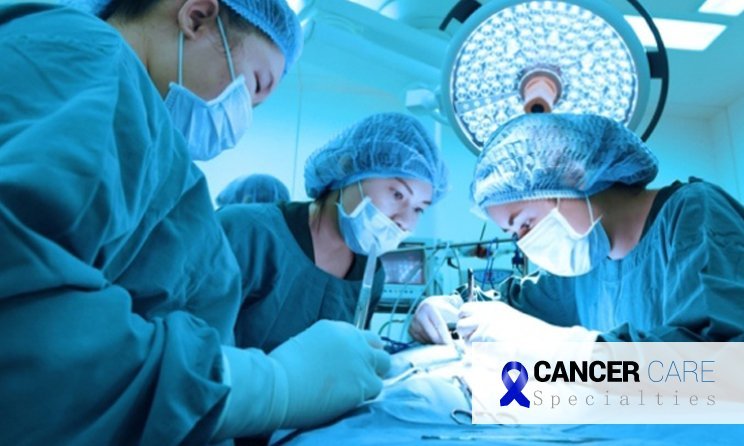
This Is How You Should Care For Your Breast Implants After Surgery
For many women undergoing a breast implant surgery is a dream come true. Breast implant treatment is ranked at the top of all cosmetic surgeries performed. Based in Dubai, Al Zahra Hospital conducts breast implant treatment using latest technologies to improve the quality of life and overall outcome. The long-term results of your breast implant surgery are affected both by the surgical procedure and the aftercare – just after the operation as well as later on. To minimize the risk of experiencing complications and untoward outcomes, it is very much necessary to follow recovery guidelines advised by your breast surgery expert. At Al Zahra Cancer Center, our board certified surgeons make sure to provide their patients with explicit and comprehensive guidelines for the post-operative period and the longer term. Right After The Surgery – Take It Easy In the initial phase, just after your surgery, you need to modify your daily activities and lifestyle to help facilitate positive, long lasting and desirable results. For instance, you should avoid driving for a few days and especially when you are taking painkiller medications. Returning to school or office where you don’t have to do much manual work can also be resumed after 4-5 days. Certain labor intensive jobs or those requiring repetitive upper extremity and body movements will require additional time off. Other activities that should be avoided for at least a month include heavy lifting, workout, sports, training, and running. Exercises and rigorous workouts should be avoided for around 8-10 weeks. Support Your Implants For women who might have undergone breast augmentation to enhance the size of their breasts, the importance of a good, supportive bra might seem to be relatively new. After your surgery, you will be required to wear a compression garment for two to three days. It will enhance the healing process and reduce swelling. Thereafter, you will be required to wear a supportive sports bra for at least one week. Once your breasts have healed, you can turn to the regular non-surgical bras. However, do choose bras that give you adequate support. No matter how small or big the implantation is, it will add weight to your chest and this extra weight can result in premature sagging and aging if you don’t take proper care. Look for quality supportive bras that offer comfort and keep your breasts looking enhanced for years to come. Go For Routine Breast Compression After surgery, it is advised to undergo breast implant “compression” so that the breasts keep looking natural and soft. This also prevents the development of excess of scar tissue around the implant. Typically, this procedure begins several days to one week after surgery. Dr. Sadir Alrawi and Dr. Humaa Darr – surgical oncology experts at Female Surgeon UAE which is a part of Al Zahra Hospital in Dubai – combine their knowledge, expertise and technology while conducting breast implant treatments. If you’re considering breast implantation treatment in Dubai, Al Zahra Hospital is the best suitable place for you.
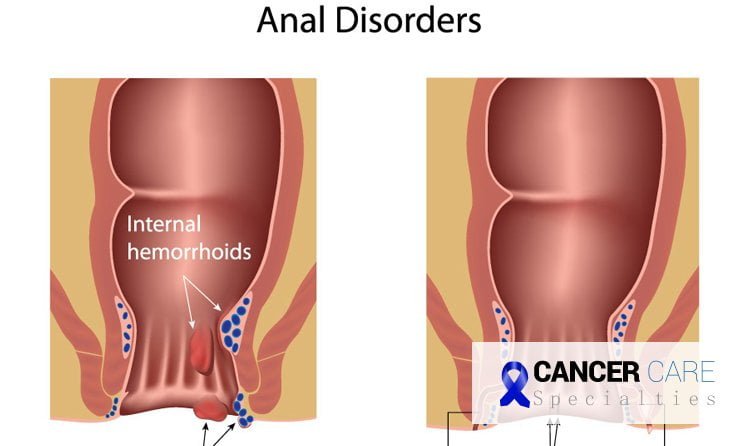
Check out the Surgical Options for Treating Anal Fissures
Check out the Surgical Options for Treating Anal Fissures The pain of anal fissures can be so intense that it reduces the activity level of the sufferer on a daily basis. In the most severe cases, it can cause discomfort for several hours after using the bathroom, and greatly reduce the quality of life. Fortunately, most anal fissures heal on their own after a month or so. If the discomfort lasts longer than six weeks, medical intervention may be necessary to enhance the healing procedure. There are available different types of anal fissure treatments that can help to heal and make the person alight in no time. Undoubtedly, anal fissures are incredibly uncomfortable, so it is no wonder sufferers look for ways to relive from the discomfort and pain. Although, little patience is required to allow the tear to heal on its own the time span is 4-6 weeks. Consume the diet rich in fiber or take laxatives as recommended by your doctor. About Anal Fissure Surgery The opening and closing of an anus are controlled by your internal and external anal sphincter muscles. You can keep control over the external anal sphincter yourself, but not on your internal anal sphincter. If your internal anal sphincter goes into spasm (tenses), this reduces the blood supply to your fissure and stops the healing process. If the oral treatments relax your sphincter muscle, allowing the fissure to heal, then no surgery is required. If these treatments don’t work, you might need to undergo surgery to relax your sphincter muscle or to remove the damaged skin. Types of Anal Fissure Surgery The anal fissure can be treated with several different types of surgery. The surgeon will decide which one will be best suitable for you. Lateral Internal Sphincterotomy – This is the most common of all the procedures to treat anal fissure. In this surgical procedure, the surgeon makes a small cut in your internal anal sphincter muscle to relax it. Anal fissures heal in 95 in every 100 people who have this procedure. However, it is highly recommended that women of child bearing age or people with chronic diarrhea should not undergo this surgical procedure. Fissurectomy – Your surgeon might suggest you to undergo fissurectomy, if they think you’re likely to develop incontinence after a sphincterotomy. This may be due to several reasons. Diabetes and irritable bowel movements are also one of the leading reasons. During a fissurectomy, your surgeon will remove all of the damaged skin around your anal fissure. They will then leave your fissure to heal on its own. Advancement Flaps – In case of advancement flap surgery, the surgeon replaces the broken skin in your fissure with a section of healthy skin in your anal lining. This procedure can be conducted at the time as a sphincterotomy or afterwards if your fissure doesn’t heal. Recovering From Anal Fissure Surgery After the surgery has been done, you may find that your fissure is less painful than what it was before your operation. If you need pain relief, take painkillers but first check with your doctor. You shouldn’t take painkillers as they might lead to constipation. The surgeon will surely prescribe you laxatives after the surgery so as to prevent constipation. They might also suggest you take fibre supplements. Drink plenty of fluids and have a diet rich in fibre thereby ultimately stopping the anal fissure from coming back. The recovery time varies from person to person, so it’s important to follow your surgeon’s advice. If you are suffering from anal fissure, then book an appointment with a renowned doctor for anal fissure treatment in Dubai. Board-certified and highly experienced surgical professionals at Al Zahra Hospital will help you get your anal fissure problem resolved through surgical interventional.
Breast Lump Treatment, Dubai
Breast diseases are extremely common in women in the Middle East and worldwide. The female breast is a complex gland which is made up of several types of tissue. The breasts are made up of fibrous connective tissue, fatty tissue, nerves, blood vessels and lymph nodes. Naturally, the breast tissue has a bumpy texture due to which the breasts feel lumpy. Detection of a breast lump always raises a concern of cancer. For second opinion, quality treatment and improved overall health outcomes, most people travel to Dubai and rely on the highly skilled team of doctors of Al Zahra Cancer Center who provide the suitable breast lump treatment. For breast cancer patients, our healthcare specialists provide cancer care services to help the patient cope with cancer. How Common are Breast Lumps? Breast lump, also known as breast masses, is followed by pain and is one of the most common problems amongst women across the globe. About 3 in every 100 women visit their doctor regarding a problem in their breasts. Most breast lumps, about 9 out of 10, are benign (non-cancerous). Depending upon the types, they can vary in the appearance of texture. Most breast lumps are caused by hormonal changes that occur at different times in a woman’s life, such as during the menstrual cycle. If you feel a lump in your breast, try not to panic or worry. Instead of getting scared, get in touch with board-certified practitioners. Located in Dubai, Al Zahara Hospital is the largest private general hospital that offers breast mass treatment in Dubai as per the international standards. Our hospital has the latest technology and provides advance patient-centered care to all the patients. Diagnosing A Breast Lump It is very much important to be aware about how your breasts usually look and feel, so that you can quickly pick up any changes that might occur. See your doctor if you notice a lump in your breast followed by chronic pain or notice breast cancer symptoms. Types of Breast Lumps Below are enlisted the types of breast lumps and their symptoms: Fibroadenosis – Fibroadenosis is a term used to describe a group of benign (non-cancerous) conditions that affect the breast. It is also known as fibrocystic breast disease. It can develop in one or both breasts or can affect just part of one breast. The symptoms include breast pain, breast enlargement, and the lumpiness of the breast particularly just before or during periods. The pain and lumpiness usually disappear after your period. Fibroadenoma – Fibroadenomas are made up of fibrous and glandular tissue and are smooth, well rounded lump that sometimes develops outside the milk ducts. Milk ducts are the tiny tubes in the breast that carry milk. Also known as “breast mouse,” it has a rubber-like texture and moves easily when touched. A fibroadenoma will sometimes disappear, but it can remain and grow larger, particularly during pregnancy. Breast Cyst – Breast cysts are very common and normal and are a fluid like a sac that develops within the breast tissue. Cysts vary in size. Some can be very tiny, while others can grow up to several centimetres in diameter. Single or multiple cysts can occur in one or both breasts. Although there are no reported symptoms, yet some women may experience pain if the cyst size increases during the menstrual cycle. Breast Abscess – Breast abscess is a painful collection of pus that forms under the skin of the breast. It also results in high temperature or above inflammation i.e., redness and swelling. It can also develop in a female even if she is not lactating. Treating a Breast Lump In most of the cases, the non-cancerous breast lump does not require any treatment until and unless the lump is too large or painful. Once the cause is diagnosed, our experienced doctor will advise you about the necessary breast lump treatment. If the doctor during the breast mass treatment happens to suspect cancer, a breast biopsy may be recommended. If cancer is found, treatment usually involves breast surgery and chemotherapy or radiation therapy, depending on the stage of cancer. At Al Zahara Hospital, we apply technological advances to transform cancer treatment. Although pain is rarely a sign of breast cancer, it’s best to see a provider to be assured. Call +971 551010169 to make an appointment.
Latest News
-

-

-

-

Prostate Cancer Survivor Stories That Inspire Hope
09 Jul, 2026 -

Seminar & Events
-

Baghdad clinic
30 Sep, 2024 -

Saudi German Hospital
26 Sep, 2024 -
Oncology Program
16 Sep, 2024 -

Oncology marketing
06 Sep, 2024 -
CAR-T THERAPY
14 Aug, 2024