Cancer Care Center UAE

Bile Duct Cancer Treatment UAE
19 Sep
0

Understanding Bile Duct Cancer: Symptoms, Diagnosis and Treatment Options

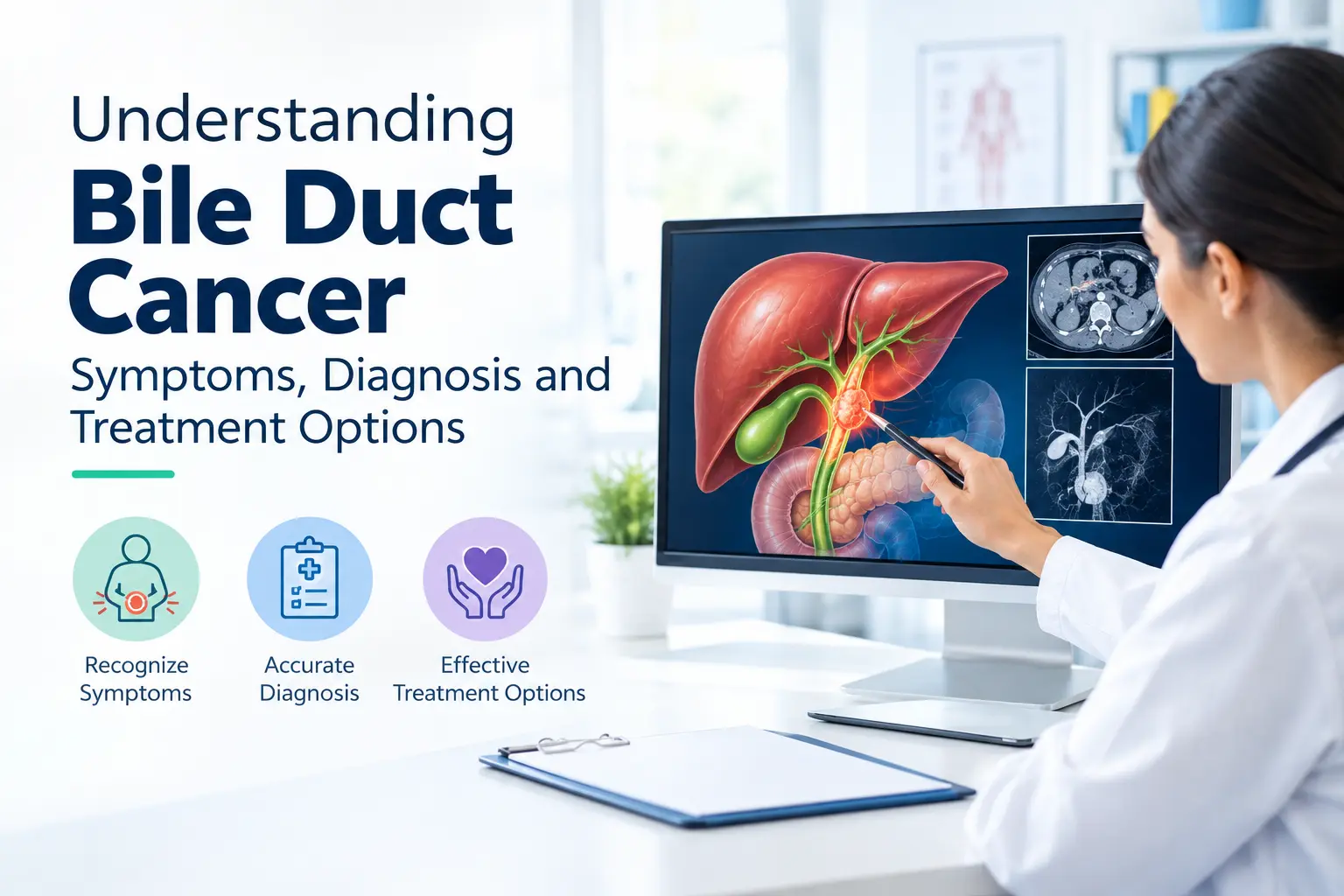
Bile duct cancer, also called cholangiocarcinoma, is a type of cancer that develops in the bile ducts. These ducts carry bile from the liver and gallbladder to the small intestine, where it helps with digestion. Although bile duct cancer is uncommon, early attention to symptoms and specialist care can make an important difference in treatment planning. Patients searching for Bile Duct Cancer Treatment UAE can benefit from understanding how this cancer is diagnosed and which treatment options may be considered. A Bile Duct Cancer Specialist Dubai can assess the location and extent of the disease and create a treatment plan based on the patient’s individual condition. What Is Bile Duct Cancer? Bile duct cancer occurs when abnormal cells begin growing in the bile ducts. It can develop inside the liver or in the ducts outside the liver. The location of the tumor plays an important role in diagnosis and treatment. There are several types of cholangiocarcinoma, and each may require a different treatment approach. Cholangiocarcinoma Treatment UAE may involve surgery, chemotherapy, radiation therapy, targeted therapy, immunotherapy, or a combination of treatments depending on the patient’s diagnosis. Specialized Hepatobiliary Cancer Care brings together expertise in cancers affecting the liver, gallbladder, bile ducts, and related organs. Symptoms of Bile Duct Cancer Bile duct cancer may not cause noticeable symptoms during its early stages. As the disease progresses, symptoms can develop when the tumor affects bile flow. Common symptoms may include: Jaundice is one of the more noticeable symptoms because blocked bile flow can cause bilirubin to build up in the bloodstream. However, these symptoms can also occur with non-cancerous conditions, so proper medical evaluation is essential. How Is Bile Duct Cancer Diagnosed? Diagnosis usually begins with a medical history and physical examination. Doctors may recommend blood tests to assess liver function and bilirubin levels. Imaging can then provide more detailed information about the bile ducts and surrounding organs. Ultrasound, CT scans, MRI, and specialized bile duct imaging may be used depending on the situation. A biopsy may also be recommended to examine tissue under a microscope. For people considering Bile Duct Cancer Treatment UAE, accurate diagnosis is essential because treatment depends on factors such as tumor location, size, spread, and the patient’s overall health. Treatment Options for Bile Duct Cancer Treatment depends largely on whether the tumor can be completely removed through surgery. When surgery is possible, the aim may be to remove the cancer while preserving as much healthy tissue as safely possible. When surgery is not suitable, other treatments may help control the disease, reduce symptoms, or slow its progression. Cholangiocarcinoma Treatment UAE is planned according to the patient’s specific cancer characteristics. Treatment Possible role Surgery May remove localized bile duct tumors Chemotherapy May control cancer cells throughout the body Radiation therapy May target cancer in specific areas Targeted or immunotherapy May be considered for selected patients Bile Duct Surgery Surgery can be complex because bile ducts are located close to major blood vessels and important organs. The type of operation depends on where the cancer is located. A Bile Duct Cancer Specialist Dubai may work with a multidisciplinary team to determine whether surgery is appropriate. In selected cases, surgery may involve removing part of the bile duct, liver tissue, or nearby structures. Bile Duct Surgery Dubai should be carefully planned using imaging and other diagnostic information. The surgical approach depends on the tumor’s exact location and whether it has spread to nearby or distant areas. Advanced Hepatobiliary Cancer Care When bile duct cancer is advanced, treatment may focus on controlling disease, improving symptoms, and maintaining quality of life. Stents or other procedures may sometimes be used to improve bile drainage when a tumor causes blockage. Modern Hepatobiliary Cancer Care can involve surgeons, medical oncologists, radiation specialists, radiologists, pathologists, and other healthcare professionals working together. For patients exploring Bile Duct Cancer Treatment UAE, this team-based approach can help doctors consider different treatment options at each stage of care. Why Specialist Evaluation Matters Bile duct cancer can be challenging to diagnose and treat because of its location and varied presentation. Specialist assessment helps determine the cancer’s stage and whether surgery or other therapies may be appropriate. A Bile Duct Cancer Specialist Dubai can review imaging, pathology, laboratory results, and medical history before recommending treatment. Patients may also be advised to undergo additional molecular or biomarker testing when it could help guide treatment. For suitable patients, Bile Duct Surgery Dubai may form an important part of treatment. For others, a combination of systemic therapies and supportive procedures may be considered. Frequently Asked Questions 1. What are common symptoms of bile duct cancer? Jaundice, dark urine, pale stools, abdominal discomfort, itching, fatigue, and unexplained weight loss may occur. 2. How is cholangiocarcinoma diagnosed? Doctors may use blood tests, ultrasound, CT, MRI, bile duct imaging, and sometimes a biopsy to confirm the diagnosis. 3. Is surgery possible for bile duct cancer? Surgery may be possible when the tumor can be safely removed. Suitability depends on its location, spread, and the patient’s health. 4. What does Hepatobiliary Cancer Care include? It may include surgery, oncology, imaging, pathology, systemic therapy, symptom management, and coordinated specialist follow-up. Conclusion Understanding the symptoms and treatment options for bile duct cancer can help patients seek appropriate medical attention sooner. Diagnosis requires careful assessment because symptoms may resemble other liver or digestive conditions. Cholangiocarcinoma Treatment UAE can involve different approaches depending on the cancer’s stage and location. For selected patients, Bile Duct Surgery Dubai may provide a surgical treatment option, while other patients may benefit from systemic or supportive therapies. Working with a Bile Duct Cancer Specialist Dubai and a multidisciplinary Hepatobiliary Cancer Care team can help ensure that treatment decisions are based on the patient’s diagnosis, test results, and individual medical needs.

Tags:
Cancer Immunotherapy UAE
18 Sep
0

Immunotherapy for Cancer: How It Works and Who Can Benefit in the UAE

Cancer treatment has changed greatly in recent years, giving patients more options beyond traditional surgery, chemotherapy, and radiation therapy. One of the important developments is immunotherapy, a treatment approach that helps the body’s immune system recognize and fight cancer cells. For eligible patients, Cancer Immunotherapy UAE can be considered as part of a personalized cancer care plan. The suitability of treatment depends on the cancer type, stage, previous treatments, overall health, and specific features of the tumor. What Is Immunotherapy? Immunotherapy is a type of cancer treatment that works with the body’s immune system. Normally, the immune system protects the body from infections and abnormal cells. However, cancer cells can sometimes avoid immune detection or prevent immune cells from attacking them effectively. Immunotherapy uses medicines that can help the immune system respond more effectively against cancer. Depending on the cancer, treatment may be used alone or together with other therapies. Patients looking for Immunotherapy Treatment Dubai may undergo testing before treatment begins. Doctors may review the cancer type, previous medical history, biopsy findings, imaging results, and certain tumor markers before developing a treatment plan. How Does Immunotherapy Work? Different immunotherapy medicines work in different ways. Some treatments help immune cells identify cancer cells, while others strengthen the immune response. Checkpoint inhibitors are one commonly used type. They block certain signals that cancer cells use to avoid immune system activity. The response to immunotherapy can vary from one patient to another. Some people may experience meaningful benefits, while others may not respond to a particular medicine. This is why careful medical evaluation is important before treatment. A Immunotherapy Cancer Specialist UAE can assess whether immunotherapy may be appropriate based on the patient’s diagnosis and available clinical information. Who May Benefit From Immunotherapy? Immunotherapy may be considered for several types of cancer, including some lung cancers, kidney cancers, bladder cancers, melanoma, head and neck cancers, and certain other tumors. Its use depends on medical guidelines, cancer characteristics, and individual patient factors. Before starting Advanced Cancer Treatment UAE, patients may undergo biomarker or molecular testing when appropriate. These tests can provide information that helps doctors understand whether a particular treatment may be suitable. Important factors doctors may consider Immunotherapy Compared With Other Cancer Treatments Immunotherapy is different from chemotherapy because it primarily works by supporting or activating immune responses against cancer. Chemotherapy generally uses medicines that directly affect rapidly dividing cells. Radiation therapy uses focused radiation to damage cancer cells, while surgery removes cancerous tissue when it can be safely operated on. In some cases, doctors may combine different treatment methods to achieve better disease control. Treatment Main approach Possible role Immunotherapy Supports immune response May help the immune system attack cancer Chemotherapy Uses anti cancer medicines May treat cancer throughout the body Radiation therapy Uses targeted radiation Can control or destroy cancer cells in specific areas Surgery Removes abnormal tissue May remove localized tumors For patients exploring Immunotherapy Treatment Dubai, discussing all suitable treatment options with an oncology team can help them understand the potential benefits, limitations, and expected treatment process. Potential Benefits of Immunotherapy One of the important Immunotherapy Benefits is that some patients can experience a longer lasting response after treatment. In certain cancers, immunotherapy has become an established part of modern treatment. Another potential benefit is its ability to work through the immune system rather than directly targeting cancer cells in the same way as chemotherapy. However, immunotherapy does not work for every patient, and treatment response cannot be guaranteed. A Cancer Immunotherapy Specialist UAE may also monitor patients closely during treatment to identify changes in the cancer and manage possible side effects. Possible Side Effects Although immunotherapy can be helpful for selected patients, it may cause side effects because the immune system becomes more active. Common effects can include tiredness, skin changes, fever, or digestive symptoms. In some cases, immune related reactions can affect organs such as the lungs, liver, thyroid, or intestines. Early reporting of unusual symptoms is important because doctors may need to adjust treatment or provide medicines to control the reaction. Patients receiving Cancer Immunotherapy UAE should follow their oncology team’s monitoring and follow up recommendations throughout treatment. Choosing Cancer Immunotherapy in the UAE Choosing a treatment plan involves more than selecting a medicine. Patients should understand their diagnosis, available treatment options, expected outcomes, possible side effects, and follow up requirements. For people considering Advanced Cancer Treatment UAE, a specialist consultation can help explain whether immunotherapy has a role in their individual treatment plan. The doctor may also recommend additional testing before making a treatment decision. For patients seeking Cancer Immunotherapy UAE, specialized oncology care can provide an opportunity to discuss personalized treatment options based on their specific cancer diagnosis. Frequently Asked Questions 1. What is immunotherapy used for? Immunotherapy helps the immune system recognize or attack cancer cells and may be used for selected cancers based on individual medical factors. 2. Is immunotherapy suitable for every cancer patient? No. Suitability depends on cancer type, stage, biomarkers, previous treatment, overall health, and the doctor’s clinical assessment. 3. What are the main Immunotherapy Benefits? Potential benefits include durable responses in some cancers and the ability to activate the immune system against cancer cells. 4. How is Immunotherapy Treatment Dubai selected? Doctors consider the cancer type, stage, biomarkers, previous treatments, health status, and approved treatment options before recommending therapy. Conclusion Immunotherapy has become an important part of modern oncology and may provide another treatment option for selected patients. Its effectiveness depends on the cancer and individual biological factors. A Cancer Immunotherapy Specialist UAE can review the diagnosis, test results, and previous treatments to determine whether immunotherapy may be appropriate. Patients considering Immunotherapy Treatment Dubai can discuss available therapies, potential Immunotherapy Benefits, side effects, and monitoring requirements with their oncology team. For individuals exploring Advanced Cancer Treatment UAE, informed discussions with experienced cancer specialists can help create a treatment plan that is appropriate for their individual needs.

Tags:
Neuroendocrine Tumor Specialist UAE
17 Sep
0

Understanding Neuroendocrine Tumors: Diagnosis and Specialized Treatment Care

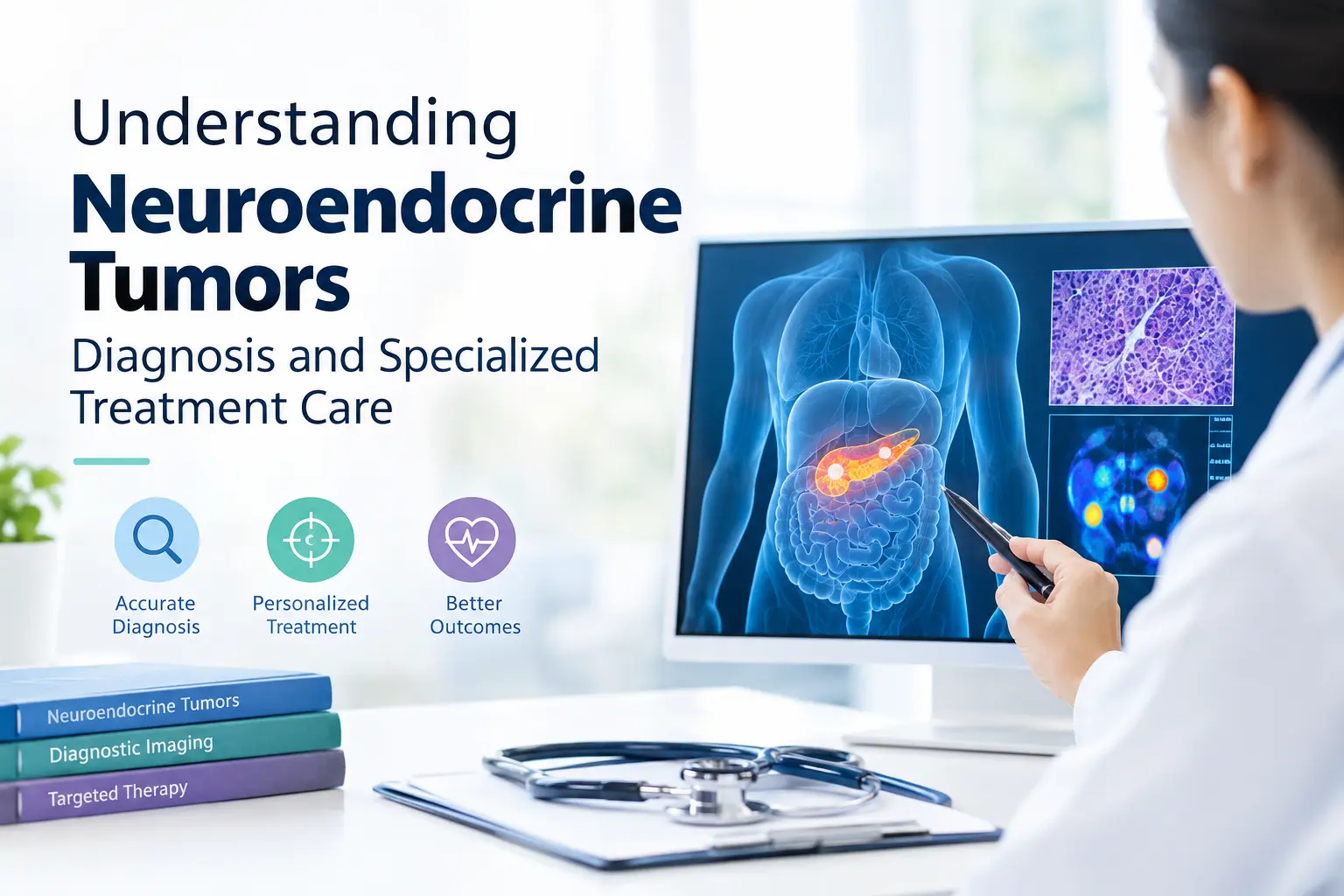
Neuroendocrine tumors are a group of uncommon cancers that develop from neuroendocrine cells. These cells are found throughout the body and have roles in producing hormones and responding to signals from the nervous system. Neuroendocrine tumors can develop in organs such as the pancreas, digestive system, lungs, and other parts of the body. Because these tumors can behave differently from one patient to another, diagnosis and treatment often require specialized assessment. A Neuroendocrine Tumor Specialist UAE can evaluate the tumor’s location, grade, stage, and hormone activity before recommending an appropriate treatment approach. What Are Neuroendocrine Tumors? Neuroendocrine tumors, commonly called NETs, can be either slow growing or more aggressive. Some produce excess hormones, while others do not produce noticeable hormone related symptoms. The symptoms depend on where the tumor develops and whether it produces hormones. Digestive symptoms, abdominal discomfort, changes in bowel habits, breathing problems, or unexplained weight changes may occur. A NET Cancer Specialist UAE can help determine whether symptoms are related to a neuroendocrine tumor and recommend suitable diagnostic tests. Types and Locations of NETs Neuroendocrine tumors can develop in several parts of the body. Gastrointestinal NETs may occur in the stomach, small intestine, appendix, rectum, or colon. Pancreatic neuroendocrine tumors develop in the pancreas, while some NETs originate in the lungs. Their behavior also varies. Some tumors remain localized for a long time, while others may spread to nearby lymph nodes or distant organs. This variation makes individualized Specialized Cancer Care UAE important when evaluating a patient with a suspected or confirmed NET. Symptoms of Neuroendocrine Tumors Symptoms vary considerably depending on the tumor’s location and whether it produces hormones. Some NETs are discovered during tests performed for another medical reason. Possible symptoms include: Hormone producing tumors can cause specific symptoms related to increased hormone levels. Because many of these symptoms can have other causes, medical assessment is necessary for an accurate diagnosis. How Are Neuroendocrine Tumors Diagnosed? Diagnosis usually begins with a detailed medical history, physical examination, blood tests, and imaging. Doctors may use CT, MRI, PET, or specialized nuclear medicine scans depending on the suspected tumor. A biopsy may be performed to examine tumor tissue. Pathologists assess important features such as tumor grade and cell characteristics. Hormone testing may also be recommended for tumors suspected of producing specific hormones. A Neuroendocrine Tumor Specialist UAE may use these results to determine the tumor’s stage and guide treatment planning. Diagnostic method What it can help assess CT or MRI Tumor location and possible spread Biopsy Tumor type and grade Blood or hormone tests Hormone activity Specialized imaging Tumor detection and distribution Neuroendocrine Cancer Treatment Options Treatment depends on the tumor’s size, location, grade, stage, hormone activity, and overall health. When a NET is localized and can be safely removed, surgery may be considered. For tumors that have spread or cannot be removed completely, doctors may consider medicines, targeted therapies, hormone based treatments, radionuclide therapy, chemotherapy, or other approaches. Neuroendocrine Cancer Treatment Dubai should be selected according to the patient’s individual diagnosis rather than using the same treatment for every NET. Neuroendocrine Tumor Surgery Surgery can be an important treatment option for selected patients. The type of procedure depends on the tumor’s location and its relationship with surrounding organs and blood vessels. Neuroendocrine Tumor Surgery may involve removing the tumor alone or removing affected tissue and nearby structures when necessary. In some cases, surgery may also be used to manage symptoms caused by hormone production or tumor growth. A NET Cancer Specialist UAE can work with surgeons and other specialists to determine whether an operation is appropriate. Specialized Cancer Care for NETs Neuroendocrine tumors often require input from several medical specialties. Oncologists, surgeons, radiologists, pathologists, nuclear medicine specialists, endocrinologists, and other healthcare professionals may contribute to treatment planning. This multidisciplinary approach is an important part of Specialized Cancer Care UAE, particularly when the tumor is advanced, produces hormones, or has spread to another organ. Patients receiving Neuroendocrine Cancer Treatment Dubai may also require regular imaging, blood tests, and clinical follow up to monitor treatment response and disease progression. Why Specialist Care Matters NETs can differ significantly in their growth rate, hormone activity, and response to treatment. A specialist evaluation can help ensure that these differences are considered when developing a care plan. A Neuroendocrine Tumor Specialist UAE may review pathology reports, imaging, hormone tests, and previous treatment before discussing available options. For patients requiring Neuroendocrine Tumor Surgery, detailed planning is particularly important because the procedure depends on the tumor’s exact location and extent. Frequently Asked Questions 1. What are neuroendocrine tumors? Neuroendocrine tumors develop from neuroendocrine cells and can occur in organs including the digestive system, pancreas, and lungs. 2. How are NETs diagnosed? Diagnosis may involve imaging, biopsy, blood tests, hormone tests, and specialized scans depending on the tumor’s suspected location. 3. Is surgery used to treat NETs? Yes. Surgery may be considered when a tumor is localized and can be safely removed, depending on its location and stage. 4. What is Neuroendocrine Cancer Treatment Dubai? It includes personalized treatments such as surgery, medicines, targeted therapy, radionuclide therapy, or chemotherapy when appropriate. Conclusion Neuroendocrine tumors require careful evaluation because their behavior and symptoms can vary significantly. Accurate diagnosis helps doctors understand the tumor’s type, grade, location, and stage. Neuroendocrine Cancer Treatment Dubai may include surgery, medicines, targeted treatments, or other therapies depending on individual circumstances. For selected patients, Neuroendocrine Tumor Surgery can play an important role in treatment. Working with a NET Cancer Specialist UAE and a multidisciplinary team can support personalized treatment planning. Through Specialized Cancer Care UAE, patients can receive coordinated evaluation, treatment, and follow up based on their specific neuroendocrine tumor.

Tags:

Latest News

Seminar & Events

Archive