Cancer Care Center UAE

Health Articles | Cancer Care Center UAE

22 May
0

Critical Trauma Care: Why Every Second Matters in Emergency Cancer Support

When a medical emergency happens, quick action can make all the difference. In critical situations, especially for cancer patients and individuals with complex health conditions, trauma care is not just…
22 May
0

How Expert Guidance Helps Patients Through Their Cancer Journey

A cancer diagnosis can bring many emotions at once — fear, confusion, stress, and uncertainty about the future. For patients and their families, the journey ahead often feels overwhelming…
22 May
0

Why Patient-Centered Cancer Care Makes a Difference

A cancer diagnosis can feel overwhelming for both patients and their families. Along with physical challenges, there are emotional concerns, uncertainty, and many important decisions to make. During such a difficult time, having the right medical team and proper guidance can make all the difference…
22 May
0

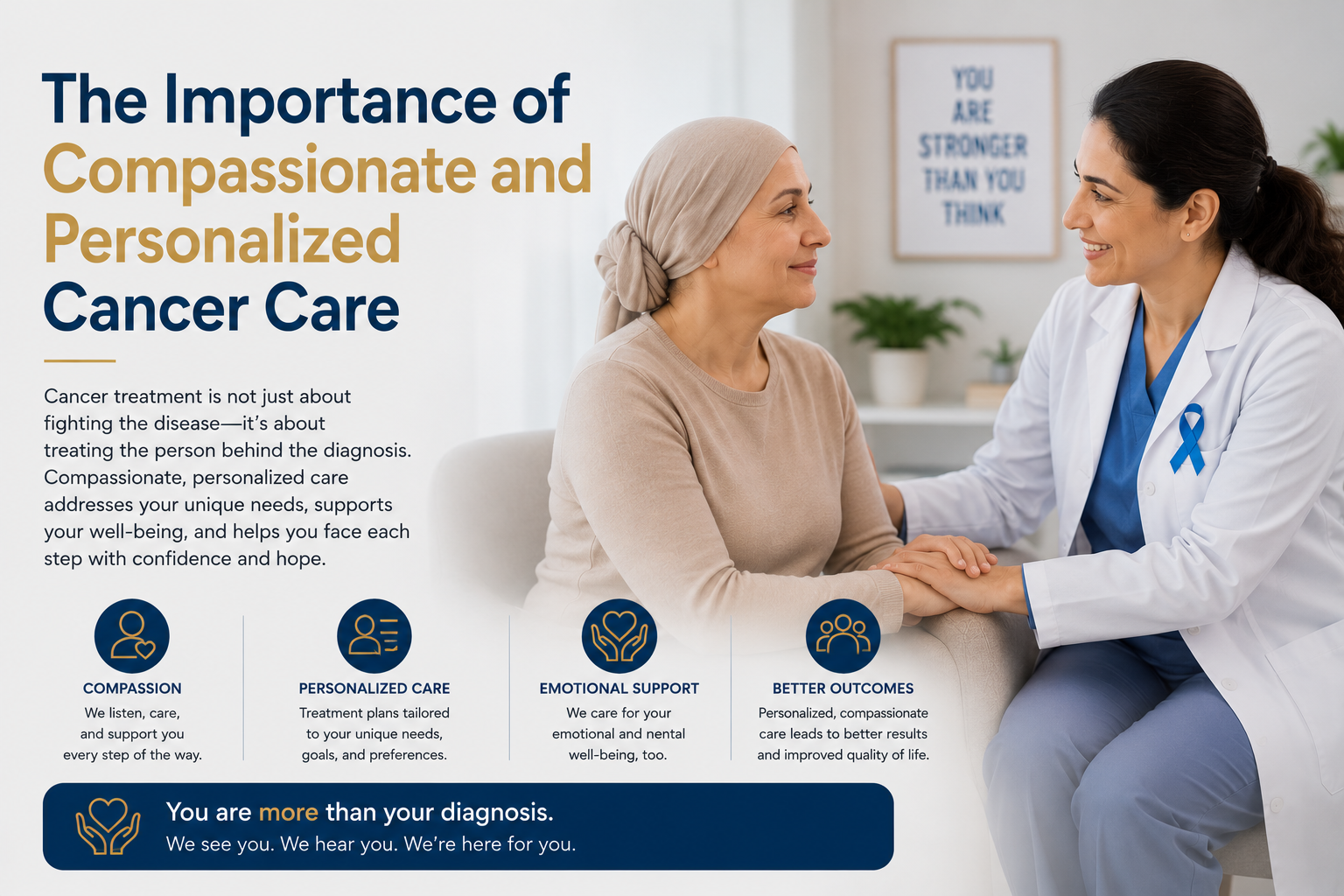
The Importance of Compassionate and Personalized Cancer Care

Hearing the word “cancer” can instantly change someone’s life. Along with the diagnosis comes fear, stress, confusion, and many unanswered questions. During such moments, patients need more than just medical treatment — they need support, guidance, and a healthcare team they can truly trust…
14 May
0

Understanding Liver Cancer Surgery and Modern Oncology Treatment Options

Liver cancer is a serious condition that requires timely diagnosis and specialized medical care. Advances in surgical techniques and oncology therapies have improved treatment outcomes for many patients over recent years…
12 May
0

Thyroid Cancer Surgery Recovery

Thyroid cancer treatment has advanced significantly in recent years, helping many patients achieve better recovery outcomes and long-term health management. Surgery is often one of the primary treatment methods for thyroid cancer, followed by careful monitoring and supportive care…
Lung Cancer Symptoms
29 Apr
0

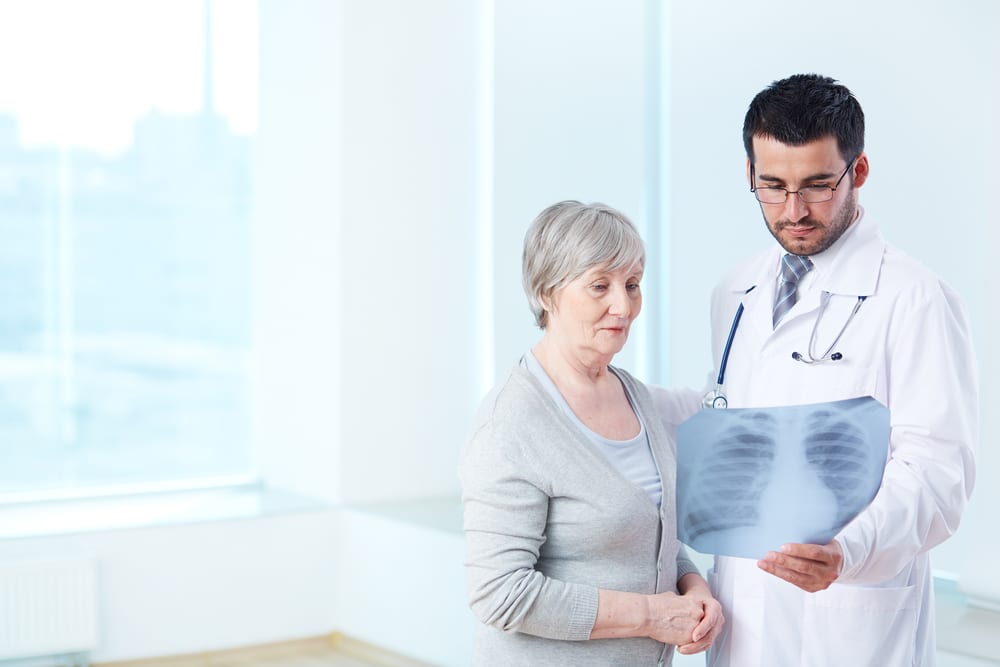
Lung Cancer Symptoms: What You Should Know

A cough that lingers. Breath that feels shorter than usual. Most people brush it off – dust, weather, maybe a mild infection. That’s common across the UAE. But here’s the uncomfortable part: some lung cancer symptoms begin exactly like that – quiet, almost forgettable. The challenge isn’t the severity at the start. It’s the persistence. When Does A Cough Become Concerning? A persistent cough lung cancer pattern doesn’t always look dramatic. It simply… stays. It may: This is where delays often happen. Many assume it’s irritation from sand or air quality. Sometimes that’s true. But when a cough refuses to settle, it deserves attention. The Subtle Signs People Ignore The early signs of lung cancer are rarely obvious. They blend into everyday discomfort. A slight breathlessness when walking up stairs. That could be dismissed as fatigue. But shortness of breath cancer cases often begin this way – gradual, not sudden. Then there’s chest discomfort. Not sharp pain. More like a dull, persistent ache. These chest pain and lung cancer symptoms are easy to misread as muscle strain. Energy levels also shift. A fatigue lung cancer symptom doesn’t improve with rest. It lingers in the background, affecting routine tasks more than expected. Could This Be Just An Infection? It’s a fair question – and an important one. Distinguishing lung infection vs lung cancer isn’t always straightforward in the early phase. Both may present with cough, mild fever, or chest discomfort. But there’s a pattern worth noticing: Repeated “infections” that never fully resolve should raise suspicion. This is often where misinterpretation delays proper evaluation. A Symptom That Should Not Be Dismissed Some signs are more direct. Coughing blood lung cancer is one of them. Even a small amount – just streaks in sputum – requires immediate medical attention. There’s often hesitation here. Waiting a few days. Hoping it settles. It shouldn’t be left to chance. Why Diagnosis Gets Delayed In The UAE A pattern seen across the region: symptoms are explained away. Dust exposure. Seasonal allergies. Mild infections. All reasonable assumptions. But they can mask early lung cancer warning signs. Another factor? Awareness of smoking and lung cancer risk is high – but it creates a false sense of security for non-smokers. Environmental exposure, passive smoking, and occupational risks also play a role. So symptoms get ignored. Not out of negligence – but familiarity. When Should Action Be Taken? There’s no need to panic at every symptom. But there should be a threshold. Understanding when to see a doctor for lung cancer comes down to persistence and change. Seek evaluation if: Unexplained weight changes, especially unexplained weight loss cancer patterns, should never be overlooked. What Happens During Evaluation? If symptoms raise concern, the next step is clarity – not assumptions. Lung cancer diagnosis in the UAE typically begins with: Access to advanced diagnostics is available. The difficulty lies in reaching that stage early enough. A Quiet Reality Worth Noticing Not all serious conditions begin loudly. Many patients diagnosed later recall mild symptoms they lived with for weeks. That’s the nature of lung cancer symptoms – they often don’t disrupt life immediately. They sit in the background. And that’s exactly why they get missed. Closing Thought It’s not about assuming the worst. It’s about not ignoring what persists. If something continues without a clear explanation, it deserves attention. Early evaluation doesn’t always lead to serious findings – but when it does, timing matters. For those seeking structured assessment or a second opinion, consulting specialists through Cancer Care Specialties MENA can help connect patients with experienced oncology teams across the UAE. FAQs How do I know if my cough is serious?If it lasts beyond three weeks, changes in pattern, or returns repeatedly, it should be medically evaluated without delay. Can lung cancer occur in non-smokers?Yes, factors like passive smoking, pollution, and occupational exposure contribute even without direct smoking history. Is breathlessness always linked to lung cancer?No, but unexplained or persistent shortness of breath cancer symptoms require assessment to rule out underlying causes. What is the difference between infection and cancer symptoms?Infections improve with treatment, while cancer-related symptoms persist, worsen, or return over time. What tests are done to confirm lung cancer?Imaging tests like CT scans followed by biopsy are used to confirm lung cancer diagnosis in the UAE.

Advanced Cancer Care
29 Apr
0

Advanced Cancer Care in the UAE: What Patients Should Expect

Walk into a leading hospital in the United Arab Emirates today, and the difference is hard to miss. Cancer care here has changed – quickly, and in meaningful ways. Patients are no longer just “treated.” They’re guided, monitored, and supported through a system that’s becoming increasingly precise and patient-focused. Advanced cancer care in the UAE is not just about technology. It’s about coordination, access, and – let’s be honest – expectation. Patients today want clarity, faster decisions, and real answers. And the system is slowly adapting to that demand. What Makes Cancer Care “Advanced” Today? It’s easy to assume “advanced” means expensive machines. That’s only part of the story. In cities like Dubai and Abu Dhabi, cancer care is increasingly built around multidisciplinary teams. Surgeons, medical oncologists, and radiation specialists sit together, review your case, and decide collectively. This approach matters more than people realize. A patient with breast cancer, for example, may not just see one doctor. They might go through imaging, surgical evaluation, and systemic therapy planning – all within days, not weeks. That’s where cancer treatment in the UAE has made real progress. And yes, technology plays its role: But without coordination, even the best tools fall short. What Does The Patient Journey Actually Look Like? Let’s break this down in practical terms. A typical patient pathway in advanced cancer care in the UAE often includes: 1. Fast-Tracked Diagnosis In many top centers, this happens quickly. Sometimes within 48–72 hours. That speed reduces anxiety – and more importantly, delays in treatment. 2. Tumor Board Decision-Making Here’s something patients don’t always see. Behind the scenes, a panel of specialists reviews your case. They debate. They challenge each other. They refine the plan. That’s not overkill. That’s good medicine. 3. Personalised Treatment Plan Depending on the cancer type and stage, treatment may include: Increasingly, cancer patient care services in the UAE also include nutritional guidance, psychological support, and rehabilitation. The Technology Is Impressive – But That’s Not The Whole Story Yes, the UAE has cutting-edge tools. But here’s a truth patients should know: Technology doesn’t guarantee outcomes. Expertise does. A well-planned surgery in an experienced center often matters more than having access to the latest machine. The same applies to radiation planning and systemic therapy decisions. That’s why choosing the right facility for cancer treatment in the UAE is still critical. Not all centers operate at the same level, despite similar marketing claims. A Common Misconception Patients Still Have Many patients assume: “If it’s in the UAE, it must be world-class.” That’s not always accurate. There are over 30 cancer treatment facilities across the country. Some are highly advanced. Others are still developing their oncology programs. So what should patients do? Ask direct questions: These aren’t difficult questions. But they reveal a lot. What About Support Beyond Treatment? This is where things get interesting – and sometimes inconsistent. Cancer patient care services in the UAE are improving, especially in larger hospitals. You’ll find: But access can vary depending on the hospital and insurance coverage. Palliative care, for example, is available in major centers – but not uniformly across all facilities. Hospice-style care is still evolving. So yes, the system is strong. But it’s not identical everywhere. Where Is UAE Cancer Care Headed? There’s a clear direction. The country is investing heavily in becoming a regional hub for oncology. With national health strategies aiming to reduce cancer mortality, the focus is shifting toward: Will it match top global centers across all metrics? Not yet. But it’s moving fast – and in the right direction. Conclusion If you’re navigating a cancer diagnosis, understanding how advanced cancer care in the UAE works can make a real difference. The system offers strong infrastructure, experienced specialists, and access to modern treatments – but outcomes depend on where and how you’re treated. Patients looking for coordinated care, second opinions, or access to experienced oncology teams can consider consulting Cancer Care Specialties MENA. Their network connects patients with leading specialists and structured treatment pathways across the region – helping you make informed decisions when it matters most. FAQs 1. What Defines Advanced Cancer Care In The UAE?It includes multidisciplinary treatment, modern technologies, and coordinated planning across specialists to improve patient outcomes and treatment accuracy. 2. How Quickly Can Cancer Treatment Begin In The UAE?In leading hospitals, diagnosis and treatment planning can begin within a few days, depending on case complexity. 3. Are Cancer Patient Care Services In The UAE Comprehensive?Top hospitals offer counselling, nutrition, and rehabilitation, but services may vary depending on the facility and insurance coverage. 4. Is Cancer Treatment In The UAE Comparable To Global Standards?Many leading centers meet international standards, though quality and expertise can vary between hospitals. 5. Do Patients Have Access To Advanced Therapies?Yes, including immunotherapy, targeted therapy, and precision radiation, especially in specialized oncology centers.
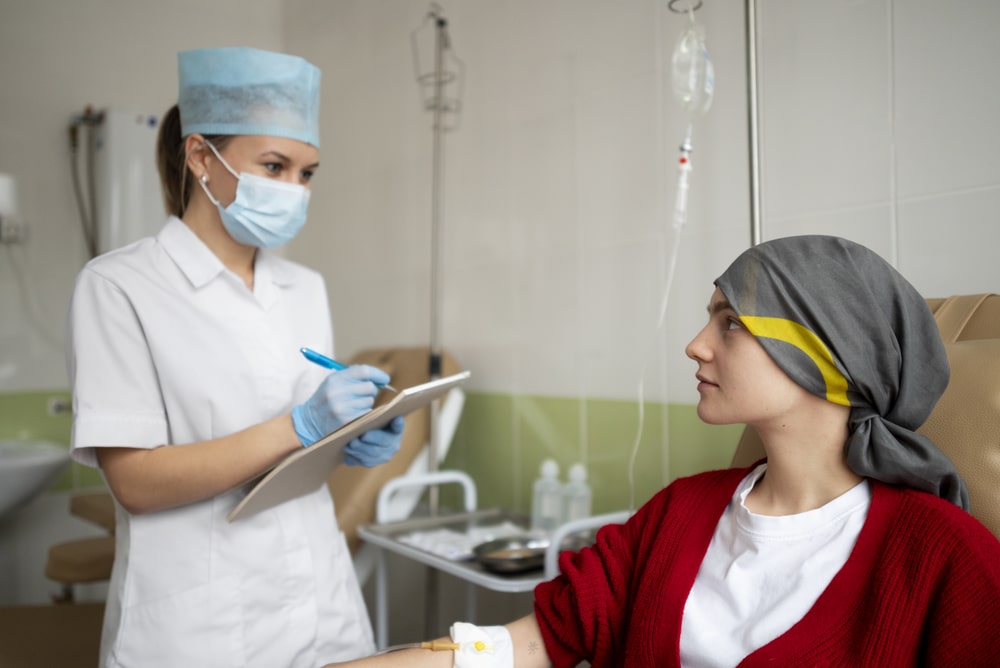
Cancer Treatment Myths
28 Apr
0

Common Myths About Cancer Treatment

Search online for cancer treatment myths, and you’ll find a confusing mix of fear, half-truths, and outdated beliefs. Some of these ideas are so deeply ingrained that patients walk into consultations already anxious – sometimes even resistant to proven care. Here’s the reality: oncology has changed dramatically. What people believed ten or twenty years ago doesn’t always apply today. From survival rates to side effects, the gap between perception and fact is wider than most realise. Let’s clear that up – plainly, honestly, and without the noise. Is Cancer Always Fatal? This is one of the most persistent cancer misconceptions – and one of the most damaging. Short answer? No. Not even close. Many cancers today are highly treatable, especially when detected early. In fact, cancer treatment success rates have improved significantly due to screening, early diagnosis, and oncology treatment advancements. Here’s what often gets overlooked: So when someone asks, “Is cancer always fatal?” – the answer is firmly no. That belief belongs in the past, not in modern medicine. Does Chemotherapy Always Cause Hair Loss? Let’s address this directly: Does chemotherapy always cause hair loss? No. And this surprises many patients. Hair loss depends on: Some treatments cause noticeable hair thinning. Others don’t. With newer protocols and supportive care, chemotherapy side effects reality is far more manageable than it used to be. Also worth noting: So yes, hair loss can happen – but it’s not universal, and it’s no longer the defining feature of treatment. Are Side Effects Worse Than The Disease? You’ll often hear people say treatment is worse than the cancer itself. That’s one of the more harmful cancer treatment myths. Truth is, side effects of cancer treatment exist – but they’re increasingly controlled. Modern oncology focuses on: This is where modern cancer treatments stand apart. Doctors now tailor therapies based on the patient, not just the disease. And here’s a practical insight: most patients tolerate treatment better than they expect. The fear often comes from outdated stories – not current practice. Radiation Therapy: Painful Or Misunderstood? There are plenty of radiation therapy myths, but the biggest one is that it’s painful. It isn’t. Radiation itself is painless. Patients don’t feel it during the session. Some may experience side effects over time – like skin irritation or fatigue – but these are monitored and managed carefully. In advanced centres across the UAE, radiation techniques are highly precise. That means: So if you’re imagining something harsh or unbearable, that image needs updating. Can Natural Remedies Replace Medical Treatment? This is where things get risky. There’s a growing belief in alternative cancer treatments myths – the idea that herbal remedies or diets alone can cure cancer. They cannot. Let’s be clear: Doctors often encourage supportive care – nutrition, mental health support, lifestyle changes – but these work alongside medical treatment, not instead of it. When people ask, “Can cancer be cured naturally?” – the honest answer is no, not without evidence-based medical care. Targeted Therapy Vs Chemotherapy: What’s The Difference? Another area full of confusion. The debate around targeted therapy vs chemotherapy isn’t about which is “better” – it’s about which is appropriate. These are not competing options. They’re tools. Often used together. And this is where cancer treatment facts vs myths become important – because treatment today is personalised, not one-size-fits-all. A Quick Reality Check On Cancer Awareness Here’s something worth saying plainly: misinformation spreads faster than medical advice. Social media, WhatsApp forwards, anecdotal stories – they shape public thinking more than clinical data. That’s why cancer awareness education matters now more than ever. If something sounds dramatic or too good to be true, it usually is. Trust oncology specialists. Not trending opinions. Closing Thoughts Cancer care today is more advanced, more precise, and more patient-focused than ever before. Many long-standing cancer misconceptions simply don’t reflect current medical reality. If you or a loved one is facing a diagnosis, don’t rely on assumptions or outdated beliefs. Speak with experienced oncology specialists, understand your options, and make decisions based on facts – not fear. For personalised guidance, second opinions, or access to advanced treatment options, you can connect with experts through Cancer Care Specialties MENA – helping patients across the UAE access coordinated, evidence-based cancer care. FAQs 1. Is Cancer Always Fatal?No. Many cancers are treatable or curable, especially when diagnosed early and managed with modern cancer treatments. 2. Does Chemotherapy Always Cause Hair Loss?No. Hair loss depends on the drug type and dosage; some patients experience minimal or no hair loss. 3. Are Side Effects Of Cancer Treatment Severe?Side effects vary but are now better managed due to oncology treatment advancements and personalised care approaches. 4. Can Alternative Therapies Cure Cancer?No. Alternative cancer treatment myths are misleading; such methods cannot replace proven medical treatments like chemotherapy or surgery. 5. Is Radiation Therapy Painful?No. Radiation therapy is painless during sessions, though mild side effects like fatigue or skin irritation may occur later.

Early Detection Improves Cancer Survival Rates
28 Apr
0

How Early Detection Improves Cancer Survival Rates

Let’s be honest – most people don’t think about cancer until something feels off. A lump, unexplained fatigue, maybe persistent pain. By then, the question isn’t what if, it’s how far it has gone? That’s exactly where early cancer detection changes everything. Catching cancer early doesn’t just improve outcomes – it often shifts the entire treatment journey. Less aggressive therapies. Better recovery. In many cases, significantly higher survival chances. In the UAE, where access to advanced care is strong, the real gap isn’t treatment – it’s timing. And timing, in oncology, is everything. Why Early Detection Makes Such A Big Difference Cancer doesn’t become dangerous overnight. It progresses in stages. The earlier it’s found, the more contained it is – and the easier it is to treat. Here’s the reality clinicians see every day: This is the importance of early diagnosis of cancer in practical terms – not theory. Early detection allows: And importantly, patients maintain a better quality of life during and after treatment. What Are The Most Effective Cancer Detection Methods? You don’t need to wait for symptoms to act. In fact, that’s the point – many cancers show no signs early on. Modern cancer detection methods focus on screening people before symptoms appear. Common and effective options include: Routine Screening Tests These cancer screening tests are widely available across the UAE, especially in Abu Dhabi and Dubai. Advanced Imaging Clinical Evaluations Doctors often detect early warning signs during routine check-ups – something as simple as a physical exam can raise a red flag. The truth? These tools work. But only if people actually use them. The UAE Reality: Access Is High, Participation Isn’t Here’s an uncomfortable truth from clinical data – screening uptake in the UAE is still lower than expected. For example: Why does this happen? Yet the system is already in place. Government-led initiatives and hospital programs offer structured cancer screening tests across the country. The challenge isn’t availability. It’s an action. What Happens When Cancer Is Detected Early? The difference isn’t subtle – it’s dramatic. Let’s take a practical scenario: A patient with early-stage breast cancer: Now compare that to a late-stage diagnosis: That gap in outcomes reflects the early-stage cancer survival rate, which drops significantly as the disease advances. From a clinical standpoint, early detection often turns cancer into a treatable condition rather than a life-threatening crisis. A Common Misconception: “No Symptoms Means No Risk” This belief is more dangerous than people realize. Many cancers – especially breast, colorectal, and even lung cancer – can develop silently. No pain. No visible signs. So when someone says, “I’ll get checked if something feels wrong,” it’s already late in many cases. This is why doctors stress the importance of early diagnosis of cancer through routine screening, not symptom-based action. If you’re over 40, or have risk factors like smoking or family history, waiting for symptoms is not a strategy – it’s a gamble. Simple Steps That Can Make A Real Difference Early detection doesn’t require drastic lifestyle changes. It requires consistency. Here’s what actually works: And perhaps the most overlooked step: stop postponing appointments. That “next month” habit costs time you don’t have. Conclusion Early diagnosis isn’t just a medical advantage – it’s a survival strategy. The shift from late-stage to early cancer detection can mean the difference between complex, prolonged treatment and a far more manageable path to recovery. If you’ve been delaying a screening or ignoring subtle symptoms, now is the time to act. Access to advanced care and screening programs is already available across the UAE – you just need to use it. For those seeking expert evaluation, second opinions, or access to coordinated oncology care, Cancer Care Specialties MENA connects patients with experienced specialists and screening services across leading hospitals in the region. FAQs 1. What Is Early Cancer Detection?Early cancer detection means identifying cancer before symptoms appear, often through routine cancer screening tests and medical check-ups. 2. Why Is Early Diagnosis Of Cancer Important?The importance of early diagnosis of cancer lies in higher survival rates, simpler treatments, and reduced risk of disease spread. 3. Which Cancer Detection Methods Are Most Effective?Common cancer detection methods include mammograms, colonoscopy, CT scans, and clinical exams based on age and risk factors. 4. What Is The Early-Stage Cancer Survival Rate?The early-stage cancer survival rate can exceed 90% for certain cancers when diagnosed and treated at Stage 1 or 2. 5. How Often Should I Take Cancer Screening Tests?Cancer screening test frequency depends on age and risk; most adults should follow annual or doctor-recommended screening schedules.