

Gastrointestinal Oncology in Budapest
Humaid Alshamsi represents Alzahra Oncology program from UAE in Budapest March 2019 Alrawi & team Alzahra Oncology & GI Centers Best Oncology Center in UAE Dubai UAE
Tags: bestcolorectalsurgeryuae, bestmedicaloncologyuae, bestoarathyroiduae, bestsurgicaloncologyuae, bestthyroidsurgeryuae, hipecDubai, parotiddubai
8 ways to prevent Breast Cancer
Nearly everyone knows someone touched by the disease. But there is a lot of good news about breast cancer these days. Treatments keep getting better, and we know more than ever about ways to prevent the disease. These eight simple steps can help lower the risk of breast cancer. Not everyone applies to every woman, but together they can have a big impact. Keep Weight in Check It’s easy to tune out because it gets said so often, but maintaining a healthy weight is an important goal for everyone. Being overweight can increase the risk of many different cancers, including breast cancer, especially after menopause. Be Physically Active Exercise is as close to a silver bullet for good health as there is, and women who are physically active for at least 30 minutes a day have a lower risk of breast cancer. Regular exercise is also one of the best ways to help keep weight in check. Eat Your Fruits & Vegetables – and Avoid Too Much Alcohol A healthy diet can help lower the risk of breast cancer. Try to eat a lot of fruits and vegetables and keep alcohol at moderate levels or lower (a drink a day or under). While moderate drinking can be good for the heart in older adults, even low levels of intake can increase the risk of breast cancer. If you don’t drink, don’t feel you need to start. If you drink moderately, there’s likely no reason to stop. But, if you drink more, you should cut down or quit. Don’t Smoke Smokers and non-smokers alike know how unhealthy smoking is. On top of lowering quality of life and increasing the risk of heart disease, stroke, and at least 15 cancers – including breast cancer – it also causes smelly breath, bad teeth, and wrinkles. Now that’s motivation to stay smoke-free or work to get smoke-free. Breastfeed, If Possible Breastfeeding for a total of one year or more (combined for all children) lowers the risk of breast cancer. It also has great health benefits for the child. Avoid Birth Control Pills, Particularly After Age 35 or If You Smoke Birth control pills have both risks and benefits. The younger a woman is, the lower the risks are. While women are taking birth control pills, they have a slightly increased risk of breast cancer. This risk goes away quickly, though, after stopping the pill. The risk of stroke and heart attack is also increased while on the pill – particularly if a woman smokes. However, long-term use can also have important benefits, like lowering the risk of ovarian cancer, colon cancer, and uterine cancer – not to mention unwanted pregnancy – so there’s also a lot in its favor. If you’re very concerned about breast cancer, avoiding birth control pills is one option to lower risk. Avoid Post-Menopausal Hormones Post-menopausal hormones shouldn’t be taken long term to prevent chronic diseases, like osteoporosis and heart disease. Studies show they have a mixed effect on health, increasing the risk of some diseases and lowering the risk of others, and both estrogen-only hormones and estrogen-plus-progestin hormones increase the risk of breast cancer. If women do take post-menopausal hormones, it should be for the shortest time possible. The best person to talk to about the risks and benefits of post-menopausal hormones is your doctor. Tamoxifen and Raloxifene for Women at High Risk Although not commonly thought of as a “healthy behavior,” taking the prescription drugs tamoxifen and raloxifene can significantly lower the risk of breast cancer in a woman at high risk of the disease. Approved by the FDA for breast cancer prevention, these powerful drugs can have side effects, so they aren’t right for everyone. If you think you’re at high risk, talk to your doctor to see if tamoxifen or raloxifene may be right for you. Find Out Your Family History Women with a strong family history of cancer can take special steps to protect themselves, so it’s important for women to know their family history. You may be at high risk of breast cancer if you have a mother or sister who developed breast or ovarian cancer (especially at an early age) or if you have multiple family members (including males) who developed breast, ovarian or prostate cancer. A doctor or genetic counselor can help you understand your family history of the disease. Don’t Forget Screening Despite some controversy, studies show that breast cancer screening with mammography saves lives. It doesn’t help prevent cancer, but it can help find cancer early when it’s most treatable. For most women, regular mammograms can begin at age 40, but specific recommendations vary by age and risk. If you are age 40 – 44: You can choose to begin yearly mammograms. It is important to talk to a doctor about the risk and benefits of mammograms at these ages. If you are age 45 – 54: Mammograms are recommended every year. If you are age 55 or over: Mammograms are recommended every other year. You can choose to continue to have them every year. Clinical breast exams and self-exams are not recommended. But you should be familiar with your breasts and tell a health care provider right away if you notice any changes in how your breasts look or feel. Other Important Risk Factors for Breast Cancer Unfortunately, there are also a number of important breast cancer risk factors that women have no control over. Knowing which ones apply to you can help you understand your risk and do what you can to lower it. If you feel you’re at high risk, talk to a doctor or other health professional. These can increase a woman’s breast cancer risk: Older age, especially 60 years or over A family history of breast cancer First menstrual period (menarche) before age 12 Menopause at age 55 or over First childbirth after age 35 No children Tall height (5’8” or taller) Dense breasts History of benign breast disease (like atypical hyperplasia) Source: https://siteman.wustl.edu/prevention/take-proactive-control/8-ways-to-prevent-breast-cancer/
Tags: bestoncologydubai, bestoncologysurgeonuae, hipecDubai, thyroidsurgerydubaiSurvivor Patient from Cancer
Survivor Patient from Cancer Visit the link: https://youtu.be/_hCfM_w_mig The best oncology center UAE Alzahra cancer center Alzahra hospital Dubai Alrawi and team March 2019
Tags: bestoncosurgerydubai, hipeuae, parathyroiddubai, thyroidgcc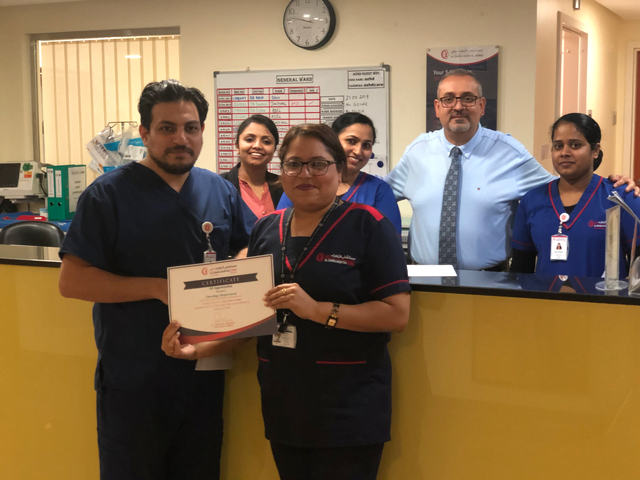
Token of Appreciation for Alzahra oncology Program
Alzahra oncology program reviewing the award from the CEO Dr. Mohaymen Best oncology program Alrawi & Team March 2019 Dubai UAE
Tags: bestoncologydubia, bestoncologyservicedubai, bestsurgicaloncologydubai
Cancer Prevention: 7 tips to reduce your risk
Concerned about cancer prevention? Take charge by making changes such as eating a healthy diet and getting regular screenings. You’ve probably heard conflicting reports about cancer prevention. Sometimes a specific cancer-prevention tip recommended in one study is advised against in another. Often, what’s known about cancer prevention is still evolving. However, it’s well-accepted that your chances of developing cancer are affected by the lifestyle choices you make. So if you’re interested in preventing cancer, take comfort in the fact that simple lifestyle changes can make a difference. Consider these cancer-prevention tips. Don’t use tobacco Using any type of tobacco puts you on a collision course with cancer. Smoking has been linked to various types of cancer — including cancer of the lung, mouth, throat, larynx, pancreas, bladder, cervix and kidney. Chewing tobacco has been linked to cancer of the oral cavity and pancreas. Even if you don’t use tobacco, exposure to secondhand smoke might increase your risk of lung cancer. Read here to beat Lung Cancer. Avoiding tobacco — or deciding to stop using it — is an important part of cancer prevention. If you need help quitting tobacco, ask your doctor about stop-smoking products and other strategies for quitting. Eat a healthy diet Although making healthy selections at the grocery store and at mealtime can’t guarantee cancer prevention, it might reduce your risk. Consider these guidelines: Eat plenty of fruits and vegetables: Base your diet on fruits, vegetables and other foods from plant sources — such as whole grains and beans. Avoid obesity: Eat lighter and leaner by choosing fewer high-calorie foods, including refined sugars and fat from animal sources. If you choose to drink alcohol, do so only in moderation risk of various types of cancer — including cancer of the breast, colon, lung, kidney, and liver — increases with the amount of alcohol you drink and the length of time you’ve been drinking regularly. Limit processed meats: A report from the International Agency for Research on Cancer, the cancer agency of the World Health Organization, concluded that eating large amounts of processed meat can slightly increase the risk of certain types of cancer. In addition, women who eat a Mediterranean diet supplemented with extra-virgin olive oil and mixed nuts might have a reduced risk of breast cancer. The Mediterranean diet focuses mostly on plant-based foods, such as fruits and vegetables, whole grains, legumes, and nuts. People who follow the Mediterranean diet choose healthy fats, such as olive oil, over butter and fish instead of red meat. Maintain a healthy weight and be physically active Maintaining a healthy weight might lower the risk of various types of cancer, including cancer of the breast, prostate, lung, colon, and kidney. Physical activity counts, too. In addition to helping you control your weight, physical activity on its own might lower the risk of breast cancer and colon cancer. Adults who participate in any amount of physical activity gain some health benefits. But for substantial health benefits, strive to get at least 150 minutes a week of moderate aerobic activity or 75 minutes a week of vigorous aerobic activity. You can also do a combination of moderate and vigorous activity. As a general goal, include at least 30 minutes of physical activity in your daily routine — and if you can do more, even better. Protect yourself from the sun Skin cancer is one of the most common kinds of cancer — and one of the most preventable. Try these tips: Avoid midday sun: Stay out of the sun between 10 a.m. and 4 p.m., when the sun’s rays are strongest. Stay in the shade: When you’re outdoors, stay in the shade as much as possible. Sunglasses and a broad-brimmed hat help, too. Cover exposed areas: Wear tightly woven, loose-fitting clothing that covers as much of your skin as possible. Opt for bright or dark colors, which reflect more ultraviolet radiation than do pastels or bleached cotton. Don’t skimp on sunscreen: Use a broad-spectrum sunscreen with an SPF of at least 30, even on cloudy days. Apply sunscreen generously, and reapply every two hours — or more often if you’re swimming or perspiring. Avoid tanning beds and sunlamps: These are just as damaging as natural sunlight. Get vaccinated Cancer prevention includes protection from certain viral infections. Talk to your doctor about vaccination against: Hepatitis B.Hepatitis B can increase the risk of developing liver cancer. The hepatitis B vaccine is recommended for certain adults at high risk — such as adults who are sexually active but not in a mutually monogamous relationship, people with sexually transmitted infections, people who use intravenous drugs, men who have sex with men, and health care or public safety workers who might be exposed to infected blood or body fluids. Human papillomavirus (HPV).HPV is a sexually transmitted virus that can lead to cervical and other genital cancers as well as squamous cell cancers of the head and neck. The HPV vaccine is recommended for girls and boys ages 11 and 12. The U.S. Food and Drug Administration recently approved the use of vaccine Gardasil 9 for males and females ages 9 to 45. Avoid risky behaviors Another effective cancer prevention tactic is to avoid risky behaviors that can lead to infections that, in turn, might increase the risk of cancer. For example: Practice safe sex: Limit your number of sexual partners and use a condom when you have sex. The more sexual partners you have in your lifetime, the more likely you are to contract a sexually transmitted infection — such as HIV or HPV. People who have HIV or AIDS have a higher risk of cancer of the anus, liver, and lung. HPV is most often associated with cervical cancer, but it might also increase the risk of cancer of the anus, penis, throat, vulva, and vagina. Don’t share needles: Sharing needles with people who use intravenous drugs can lead to HIV, as well as hepatitis B and hepatitis C — which can increase the risk of liver cancer. If you’re concerned about
Tags: Cancer Prevention, Tips to reduce your risk, Ways to Prevent from Cancer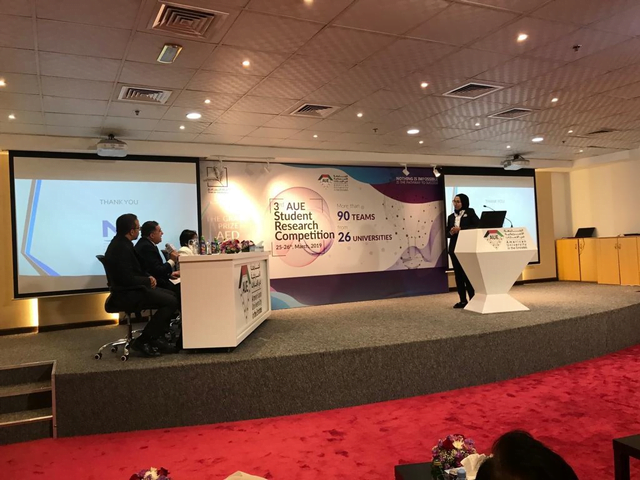
Visiting of research team of Alzahra to American University Dubai
Visiting of the research team of Alzahra to American University Dubai Sadir Alrawi, Muharram Oner & Ahmed Samir March 2019

Upper Endoscopy and EUS biopsy for Gastric Mass
Upper endoscopy and EUS biopsy for a gastric mass Alzahra hospital Dubai Best oncology center Alrawi and team March 2019
Tags: bestcancercenterdubai, bestoncologyuae, colorectalcancerdubaiPublications in Alzahra in March
Papers published recently in Alzahra oncology center by Sadir Alrawi & Team Alzahra oncology program March 2019 Recent publications in Alzahra: Cancer Therapy and Oncology Gastrointestinal Surgery

Best Alzahra Oncology team
Best oncology team with Sadir Alrawi & Arun Kanala in Alzahra Oncology Program Shadow of reality in oncology care Best oncology team Alrawi & Team March 2019

Minimal Esophagectomy Survivor in Alzahra Cancer Center
Great News: Best performance by Dr. Sadir & his team Minimal esophagectomy survivor in Alzahra Cancer Center Alzahra Oncology Team Sadir Alrawi & Team March 2019 Best oncology team
Latest News
-

-

-

-

Prostate Cancer Survivor Stories That Inspire Hope
09 Jul, 2026 -

Seminar & Events
-

Baghdad clinic
30 Sep, 2024 -

Saudi German Hospital
26 Sep, 2024 -
Oncology Program
16 Sep, 2024 -

Oncology marketing
06 Sep, 2024 -
CAR-T THERAPY
14 Aug, 2024