Cancer Care Center UAE

Latest News | Cancer Care Center UAE

Post treatment life tips
22 Oct
0

Post Treatment Life Tips

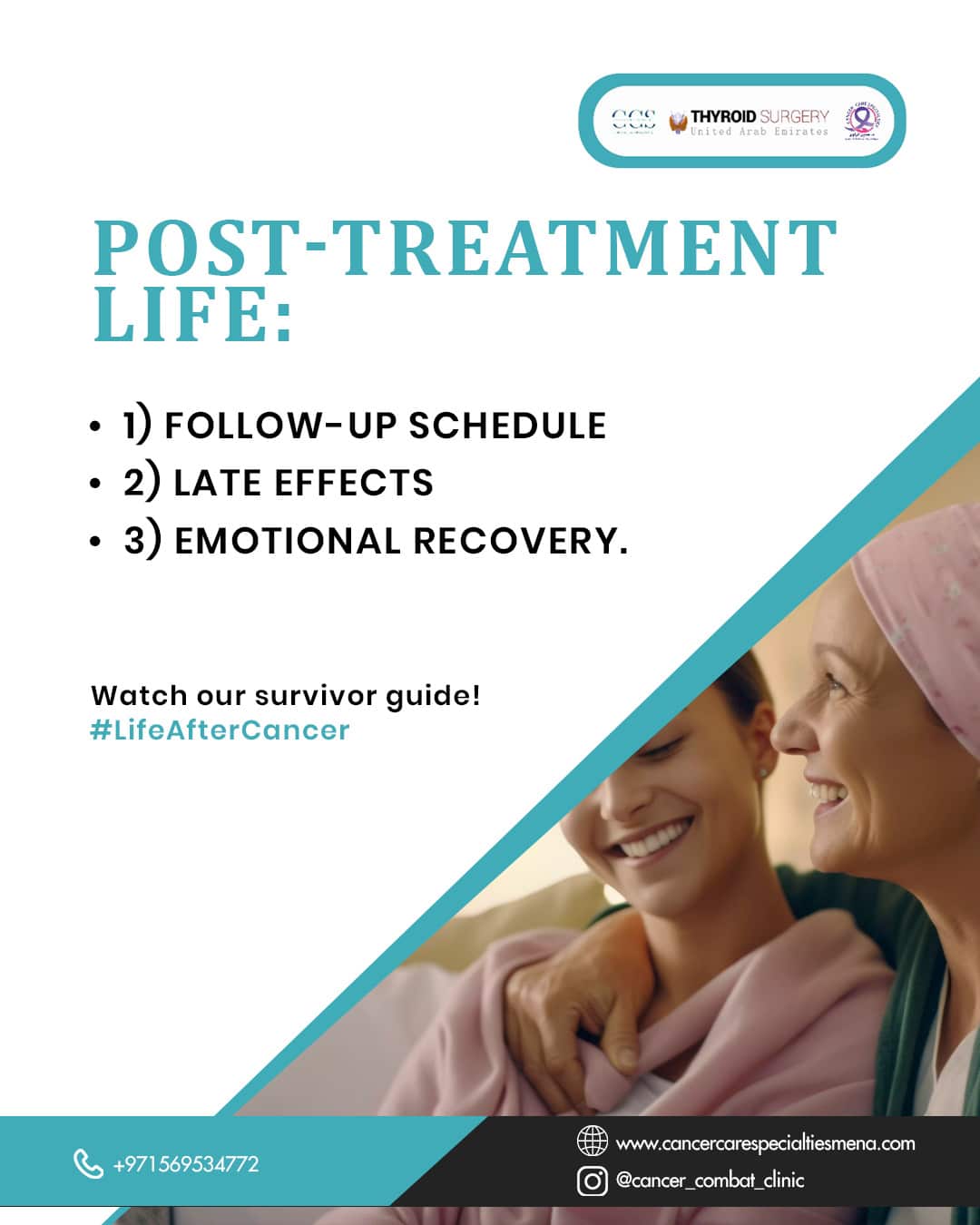
Post-Treatment Life: Embracing Recovery with Strength and Hope Life after cancer treatment marks the beginning of a new journey — one that focuses on healing, self-care, and emotional well-being. The image conveys warmth, resilience, and the power of support as survivors transition into post-treatment life. Understanding what to expect during this phase can make recovery smoother and more empowering. 1. Follow-Up Schedule: Staying on Track After completing cancer treatment, regular follow-up visits are crucial. These appointments allow doctors to monitor recovery, detect any signs of recurrence early, and manage lingering side effects. Survivors should adhere to a personalized follow-up schedule as recommended by their oncologist. It may include physical examinations, blood tests, and imaging scans. Keeping a journal of symptoms and communicating openly with your healthcare team helps maintain long-term wellness. 2. Managing Late Effects: Listening to Your Body Cancer treatments such as chemotherapy, radiation, or surgery can cause late side effects that may appear months or even years later. These might include fatigue, hormonal changes, or issues with specific organs. Awareness and early management of these effects are key to maintaining quality of life. Incorporating balanced nutrition, gentle exercise, and adequate rest can significantly aid physical recovery and boost overall health. 3. Emotional Recovery: Healing the Mind and Spirit Emotional healing is as vital as physical recovery. Many survivors experience a mix of gratitude, anxiety, or fear of recurrence. Engaging in counseling, mindfulness practices, and support groups can help manage these emotions. Surrounding oneself with family, friends, and positive environments fosters emotional strength and resilience. Moving Forward with Confidence Cancer survivorship is not the end of a chapter—it’s the beginning of a renewed life. By following up regularly, caring for your body, and nurturing emotional health, you can thrive beyond treatment and embrace the future with hope.

Tags:
Melanoma Cancer Awareness
22 Oct
0

Melanoma Cancer Awareness

Melanoma Cancer: Understanding Skin Cancer and Its Warning Signs Skin cancer is one of the most common yet preventable forms of cancer. Among its various types, melanoma is the most aggressive and potentially life-threatening. This awareness aims to educate individuals about recognizing early signs, understanding risk factors, and emphasizing the importance of timely medical evaluation. What Is Skin Cancer? Skin cancer occurs when abnormal cells in the skin begin to grow uncontrollably. It primarily develops due to overexposure to ultraviolet (UV) radiation from the sun or tanning beds. The image highlights the three main types of skin cancer—Basal Cell Carcinoma (BCC), Squamous Cell Carcinoma (SCC), and Melanoma—each presenting with distinct visual features and characteristics. Types of Skin Cancer 1. Basal Cell Carcinoma (BCC) Basal Cell Carcinoma is the most common and least dangerous type of skin cancer. It typically appears as a flat, raised, or dome-shaped spot that may be pearly or skin-colored. While it rarely spreads to other parts of the body, untreated BCC can cause local damage to surrounding tissues. Early detection and removal are crucial to prevent recurrence. 2. Squamous Cell Carcinoma (SCC) Squamous Cell Carcinoma often manifests as a raised, crusty, or scaly patch of skin. In some cases, the area may become ulcerated or bleed. SCC is more aggressive than BCC and can spread if left untreated. It is frequently found on sun-exposed areas such as the face, neck, and hands. 3. Melanoma Melanoma is the most serious form of skin cancer, developing in the pigment-producing cells known as melanocytes. It often presents as an abnormal mole with asymmetrical shape, irregular borders, multiple colors, and a diameter larger than 6mm. Melanoma can spread rapidly to other organs, making early diagnosis and intervention vital for survival. Importance of Awareness and Prevention Raising awareness about skin cancer, especially melanoma, can save lives. Regular skin self-examinations, use of sunscreen, protective clothing, and avoiding prolonged sun exposure are essential preventive steps. If any new or changing moles appear, seeking immediate evaluation from a dermatologist or oncologist is critical. Conclusion Melanoma awareness is more than just recognizing a mole—it’s about prioritizing skin health and early detection. With timely diagnosis, most skin cancers can be treated successfully. Remember: protecting your skin today can prevent melanoma tomorrow.

Tags:
irritable bowel syndrome
21 May
0

Understanding Irritable Bowel Syndrome (IBS)

Comprehensive Guide to Symptoms, Causes, Diet, and Treatment Irritable Bowel Syndrome (IBS) is one of the most common gastrointestinal conditions affecting millions worldwide. Despite being non-life-threatening, it significantly affects quality of life. Unlike other digestive diseases, IBS doesn’t cause permanent damage to the intestines, and test results often return normal. However, the discomfort, bloating, abdominal pain, and unpredictable bowel movements make it a chronic issue worth understanding in depth. What is Irritable Bowel Syndrome? Irritable bowel syndrome is a functional gastrointestinal disorder characterized by a group of symptoms that occur together, including abdominal pain, bloating, constipation, and diarrhea. The cause isn’t fully understood, but it’s believed to involve a combination of abnormal gut motility, increased pain sensitivity, and irritable bowel syndrome bacteria imbalance. Unlike short bowel syndrome, which results from surgical removal of parts of the intestines, IBS does not involve structural changes. Most patients have normal tests, no signs of inflammation, no fever, and no weight loss—key factors that help differentiate IBS from more serious conditions like IBD or cancer. Understanding Digestive Discomfort: Key Symptoms and Diagnostic Clues Digestive symptoms like constipation, abdominal pain, and diarrhea are among the most common complaints in clinical practice. However, when these symptoms occur without abnormal test results, fever, or weight loss, it may point toward functional gastrointestinal disorders such as Irritable Bowel Syndrome (IBS). Constipation: More Than Just Infrequent Bowel Movements Constipation involves hard stools, difficulty passing stool, or infrequent bowel movements (fewer than three per week). It can cause bloating, discomfort, and a feeling of incomplete evacuation. In IBS, constipation often alternates with episodes of diarrhea, a pattern known as IBS-M (mixed type). Abdominal Pain: A Common but Vague Symptom Abdominal pain is a hallmark symptom of many gastrointestinal disorders. In IBS, the pain is often crampy, located in the lower abdomen, and is typically relieved by passing stool. The pain is chronic but not associated with serious complications when other warning signs are absent. Diarrhea: When the Urge Can’t Wait Diarrhea in IBS is usually urgent, watery, and occurs multiple times a day. It may follow meals or stress. Importantly, the diarrhea does not involve blood, fever, or signs of systemic infection, distinguishing it from more severe conditions like inflammatory bowel disease. Normal Tests: A Key Diagnostic Feature Patients with IBS often undergo lab work, imaging, or colonoscopy, all of which return normal test results. This helps rule out infections, inflammation, or cancer. No Fever or Weight Loss: Reassuring Signs The absence of fever and weight loss is a critical clue. These symptoms, when present, usually indicate a more serious underlying disease. In IBS and other functional disorders, their absence is a positive sign supporting a benign diagnosis. Bloating Bloating is a frequent complaint that can result from gas buildup, food intolerances, or functional gut disorders like irritable bowel syndrome (IBS). It may feel like abdominal fullness or tightness, often worsening after meals. Though uncomfortable, bloating alone is rarely a sign of a serious condition when not accompanied by alarming features. Common Irritable Bowel Syndrome Symptoms Identifying Irritable Bowel Syndrome Symptoms Early Irritable bowel syndrome symptoms can vary from person to person, but common indicators include: Since IBS doesn’t cause internal damage, symptoms can be persistent yet elusive to diagnose. The absence of fever, weight loss, or bloody stool is essential in confirming IBS. Irritable Bowel Syndrome ICD 10 Code Understanding the Classification of IBS The official Irritable Bowel Syndrome ICD 10 code is K58. It’s further classified as: Doctors use these codes for diagnosis and treatment planning. It’s essential to ensure an accurate clinical history since most IBS patients have normal tests with no systemic signs like fever or weight loss. Causes of Irritable Bowel Syndrome Role of Gut Flora and Irritable Bowel Syndrome Bacteria One major contributor is the imbalance of gut microbiota—commonly referred to as irritable bowel syndrome bacteria. Dysbiosis, or an unhealthy gut bacteria ratio, can affect digestion, trigger inflammation, and influence nerve sensitivity in the gut. Other possible causes include: Identifying and correcting bacterial imbalance is key in many irritable bowel syndrome treatment strategies. Irritable Bowel Syndrome Treatment Options How to Manage and Treat Irritable Bowel Syndrome Irritable bowel syndrome treatment is usually personalized, based on whether diarrhea, constipation, or a combination of both is present. Here are some of the most common treatment approaches: It’s important to remember that irritable bowel syndrome treatment may not cure the condition but significantly improves symptoms and quality of life. Irritable Bowel Syndrome Foods to Avoid What Not to Eat if You Have IBS Diet is a cornerstone of managing irritable bowel syndrome. Certain foods can trigger or worsen irritable bowel syndrome symptoms. Irritable bowel syndrome foods to avoid include: Avoiding these irritable bowel syndrome foods to avoid can reduce bloating, abdominal pain, and irregular stools. Irritable Bowel Syndrome Foods to Eat Best Foods for IBS-Friendly Diet Equally important is knowing which irritable bowel syndrome foods to eat that support gut health and reduce symptoms. Irritable bowel syndrome foods to eat include: Incorporating these irritable bowel syndrome foods to eat helps maintain gut function while avoiding symptom flare-ups. Short Bowel Syndrome vs. Irritable Bowel Syndrome Differentiating Between Similar Conditions Though the names sound alike, short bowel syndrome and irritable bowel syndrome are very different. Short bowel syndrome is a serious malabsorption condition resulting from surgical removal of a large portion of the small intestine. Short bowel syndrome often causes weight loss, nutrient deficiencies, and severe diarrhea. In contrast, irritable bowel syndrome symptoms are functional, with normal tests, no malnutrition, and no structural damage. Understanding the difference helps in selecting the appropriate irritable bowel syndrome treatment vs. intensive nutritional therapy for short bowel syndrome. Diagnosing IBS with Normal Tests How Normal Results Can Still Mean IBS Many patients are surprised when all their medical tests come back normal. This is, in fact, typical of irritable bowel syndrome. Standard imaging, blood tests, and colonoscopies often show no abnormalities. The absence of alarming features like fever, weight loss, or bloody

Tags:
Parotid Cancer Symptoms
21 May
0

Understanding Parotid Surgery: A Comprehensive Guide By Best Oncologist Dr. Sadir Juma Alrawi

Parotid surgery is a specialized procedure aimed at removing tumors or diseased tissue from the parotid gland, one of the major salivary glands located near the ear. This surgery is crucial for managing both benign and malignant conditions affecting the gland. Whether you’re a patient preparing for parotid gland surgery or a caregiver seeking information, this comprehensive guide will cover everything you need to know. What Is the Parotid Gland? The parotid gland is the largest of the salivary glands and is located just in front of and below the ear. It plays a vital role in producing saliva, which aids in digestion and oral health. Problems with this gland can lead to swelling, pain, or the development of tumors, which may necessitate parotid gland tumor surgery. When Is Parotid Surgery Needed? Parotid surgery becomes necessary when a mass, cyst, or tumor develops in the gland. This could be due to: The decision to undergo parotid gland surgery depends on the nature and behavior of the tumor. In many cases, surgery is recommended to prevent malignancy or further complications. Types of Parotid Tumors Benign Tumors Most parotid salivary gland tumors are benign, but they can still grow and cause discomfort or cosmetic concerns. Common benign types include: Malignant Tumors Cancer in the parotid gland is relatively rare but can be aggressive. Parotid gland cancer symptoms may include: Early detection of parotid gland cancer is vital for successful treatment and long-term outcomes. Symptoms Leading to Parotid Gland Surgery You might be referred for parotid gland tumor surgery if you experience the following: These parotid gland tumor symptoms are red flags that warrant further investigation. Diagnostic Tests Before Surgery Ultrasound of Parotid Gland An ultrasound of the parotid gland is often the first imaging test performed to assess the nature and size of the tumor. This test is painless, safe, and effective in differentiating solid from cystic masses. Parotid Gland Sonography Parotid gland sonography offers detailed insights into the lesion’s characteristics. It helps determine the tumor’s location, its relation to surrounding structures, and guides the decision for biopsy or surgery. The Surgical Procedure Explained What Happens During Parotid Surgery? Parotid surgery involves the careful removal of part or all of the gland. The two most common procedures are: A key concern during surgery is preserving the facial nerve, which passes through the parotid gland and controls facial movements. Anesthesia and Duration Parotid gland tumor surgery is typically performed under general anesthesia and may take 2–4 hours depending on the complexity of the case. Risks and Complications As with any surgical procedure, parotid gland surgery carries some risks: However, these risks are significantly reduced when performed by an experienced head and neck surgeon. Post-Surgery Recovery and Care Hospital Stay and Immediate Recovery Most patients stay in the hospital for 1 to 2 days after parotid tumour surgery. A drainage tube may be placed to remove fluid from the surgical site, and the area is closely monitored for signs of infection or nerve damage. Wound Healing and Scar Care Stitches are usually removed after a week. Parotid gland surgery photos and parotid gland surgery pictures are often used in clinical settings to monitor healing and guide future patients. Long-Term Follow-Up Regular follow-ups are essential, especially in cases involving parotid gland cancer. Imaging studies, physical exams, and occasionally additional treatment such as radiation may be required. Cosmetic and Functional Outcomes While parotid gland tumor surgery aims to remove disease, preserving appearance and facial function is also a priority. Advanced techniques minimize visible scarring and ensure better outcomes. Patients often inquire about parotid gland surgery photos to understand what to expect post-operatively. Surgeons may use parotid gland surgery pictures during consultations to explain potential changes and improvements over time. Prognosis and Survival in Parotid Gland Cancer The outcome of parotid gland cancer largely depends on: Early-stage cancer in the parotid gland often has an excellent prognosis. However, aggressive or late-stage tumors may require additional therapies such as chemotherapy or radiotherapy. FAQs About Parotid Gland Surgery Is Parotid Surgery Painful? Post-surgical discomfort is common but manageable with medications. Most patients resume normal activities within a few weeks. Will I Have Facial Numbness? Some numbness around the ear or cheek is common after parotid tumor surgery. It usually improves with time. Can Benign Tumors Turn Cancerous? Some benign tumors, especially pleomorphic adenomas, have a low but significant risk of becoming malignant over time. That’s why early parotid gland tumor surgery is often advised. Can I See the Tumor Before Surgery? Yes, imaging such as ultrasound of parotid gland and parotid gland sonography provides a visual of the tumor, often shared with patients for clarity. Choosing the Right Surgeon for Parotid Gland Surgery When dealing with delicate structures like the facial nerve, choosing a skilled and experienced surgeon is crucial. A head and neck oncologist with expertise in parotid gland tumor surgery will ensure safe, effective outcomes with minimal complications. Look for a surgeon who provides: Conclusion Parotid surgery is a critical and often life-changing procedure for those suffering from tumors or cancer in the salivary glands. Whether it’s a benign growth or a case of parotid gland cancer, early intervention improves the outcome significantly. Understanding the procedure, risks, and recovery process can empower patients to make informed decisions. From diagnostic tools like parotid gland sonography to visual aids such as parotid gland surgery pictures, every step in the journey is crucial for a successful recovery. If you’re experiencing any parotid gland tumor symptoms or signs of cancer in the parotid gland, seek medical advice promptly at Cancer care Specialties Mena by Best oncologist in UAE Dr Sadir Juma Alrawi. Early diagnosis, guided by imaging such as ultrasound of the parotid gland, and timely parotid tumour surgery can make all the difference.

07 May
0

Free second opinion in all our cancer centers

At Cancer Care Specialties MENA, we understand that a cancer diagnosis can be overwhelming. That’s why we offer a free second opinion at all our centers, ensuring that patients have the information and confidence to make informed decisions about their treatment. Comprehensive Cancer Care Across the UAE Whether you are seeking treatment in Al Zahra Hospital Dubai, Al Zahra Hospital Abu Dhabi, or any of our affiliated centers, we offer a collaborative approach to cancer care. Dr. Sadir Juma Alrawi, our esteemed oncologist, brings years of experience in diagnosing and treating various types of cancer. At Cancer Care Specialties MENA, we ensure that every patient receives a thorough second opinion, reviewing all available options to provide personalized care plans. Why Seek a Second Opinion? Getting a second opinion is vital in the cancer care journey. At Al Zahra Hospital UAE, we provide our patients with access to expert advice from specialists, such as Al Zahra Hospital dermatologist for skin cancers or Al Zahra Hospital Dubai for more complex cases. A second opinion helps ensure that the diagnosis and recommended treatments are accurate, and it empowers patients to make decisions that align with their needs. Confidence in Your Treatment Pathway At Cancer Care Specialties MENA, we are dedicated to offering compassionate care, providing clarity, and empowering patients at every step of their journey. Whether you’re in Al Zahra Hospital Abu Dhabi or any of our UAE centers, trust our experienced team, led by Dr. Sadir Juma Alrawi, to support you with professional insights and guidance. Get a free second opinion today and take the first step toward a comprehensive, informed treatment plan.

27 Apr
0

Fuel Up Your Body with a Healthy Diet

Maintaining a healthy diet is essential for overall well-being, and it plays a pivotal role in cancer prevention and management. Avanafil vs tadalafil: Both phosphodiesterase type 5 inhibitors improve erectile function. For detailed comparison data and efficacy analysis, visit http:/www.boutique.hr/kategoria-clenbuterol/ Avanafil, faster onset; tadalafil, longer duration. Best marijuana for sex enhances libido, vasodilation, and relaxation, facilitating enhanced intimacy. Its phytochemicals, including cannabinoids and terpenes, can modulate neurotransmitter release, influencing arousal and pleasure. Visit zilonis.de/kann-zu-viel-bewegung-erektile-dysfunktion-verursachen/ to learn more about these effects. Alternative to sildenafil, such as herbal compounds, may aid in managing erectile dysfunction. Tadalafil side effects on heart include potential risk of arrhythmias and angina, particularly in patients with pre-existing cardiovascular conditions; detailed examination can be found at www.thsld.com/cialis-tadalafil-tips-van-apothekers/ https:/www.cerrajerossmadrid.com/2024/12/02/unik-effektivitet-av-viagra-20/ These options often exhibit fewer side effects compared to sildenafil 25 mg tablet. A well-balanced, cancer-related diet can bolster your immune system, reduce inflammation, and provide the necessary nutrients to support your body’s defenses against cancer.​ Understanding the Importance of a Cancer-Related Diet A cancer-related diet focuses on consuming foods that may help lower the risk of developing cancer and support the body during treatment. Incorporating specific dietary choices can influence cancer progression and improve treatment outcomes.​ Key Components of a Cancer-Related Diet High-Fiber Foods: Diets rich in fiber, such as whole grains, legumes, fruits, and vegetables, are associated with a reduced risk of colorectal cancer. Fiber aids in digestion and helps eliminate carcinogens from the body. ​ Cruciferous Vegetables: Vegetables like broccoli, cauliflower, and Brussels sprouts contain compounds that may have cancer-protective properties. ​ Lean Proteins: Incorporate lean protein sources such as fish, poultry, and plant-based proteins like beans and lentils. These provide essential amino acids without the added saturated fats found in red meats. ​ Healthy Fats: Opt for sources of healthy fats, including avocados, nuts, seeds, and olive oil. These fats can help reduce inflammation and support heart health.​ Antioxidant-Rich Foods: Berries, leafy greens, and nuts are high in antioxidants, which combat oxidative stress and may reduce cancer risk. ​ Foods to Limit or Avoid Processed and Red Meats: High consumption of processed and red meats has been linked to an increased risk of certain cancers. ​ Sugary Beverages and Snacks: These can lead to weight gain and obesity, which are risk factors for various cancers.​ Alcohol: Excessive alcohol intake is associated with an increased risk of several cancers, including breast and liver cancer. ​Wikipedia Practical Tips for Implementing a Cancer-Related Diet Plan Balanced Meals: Aim to fill half your plate with fruits and vegetables, a quarter with whole grains, and a quarter with lean proteins.​ Stay Hydrated: Drink plenty of water throughout the day to help flush toxins from your body.​ Cook at Home: Preparing meals at home allows you to control ingredients and cooking methods, reducing the intake of unhealthy additives.​ Read Nutrition Labels: Be mindful of added sugars, sodium, and unhealthy fats in packaged foods.​ Conclusion Adopting a cancer-related diet is a proactive step towards enhancing your health and reducing cancer risk. By focusing on nutrient-dense foods and minimizing harmful dietary components, you empower your body to function optimally. What is impotence, a common male issue, often relates to blood flow or nerve supply; a ivermectin pill does not aid in its treatment, while PDE inhibitors may be effective. Generic Viagra does not work for everyone; efficacy can vary due to http:/www.carview-qc.nl/como-eliminar-el-enrojecimiento-facial-por-viagra/ individual physiology. Penile dysfunction affects numerous individuals globally, visit www.inspectoramariaanchieta.com/ensayos-clinicos/ for information on solutions like mens penis pumps, used to enhance sexual function effectively. For some, switching to branded formulations might yield better therapeutic results. Remember, it’s not about strict limitations but about making informed, balanced choices that support your well-being.

27 Apr
0

Cancer Care Management: A Comprehensive Guide to Better Outcomes

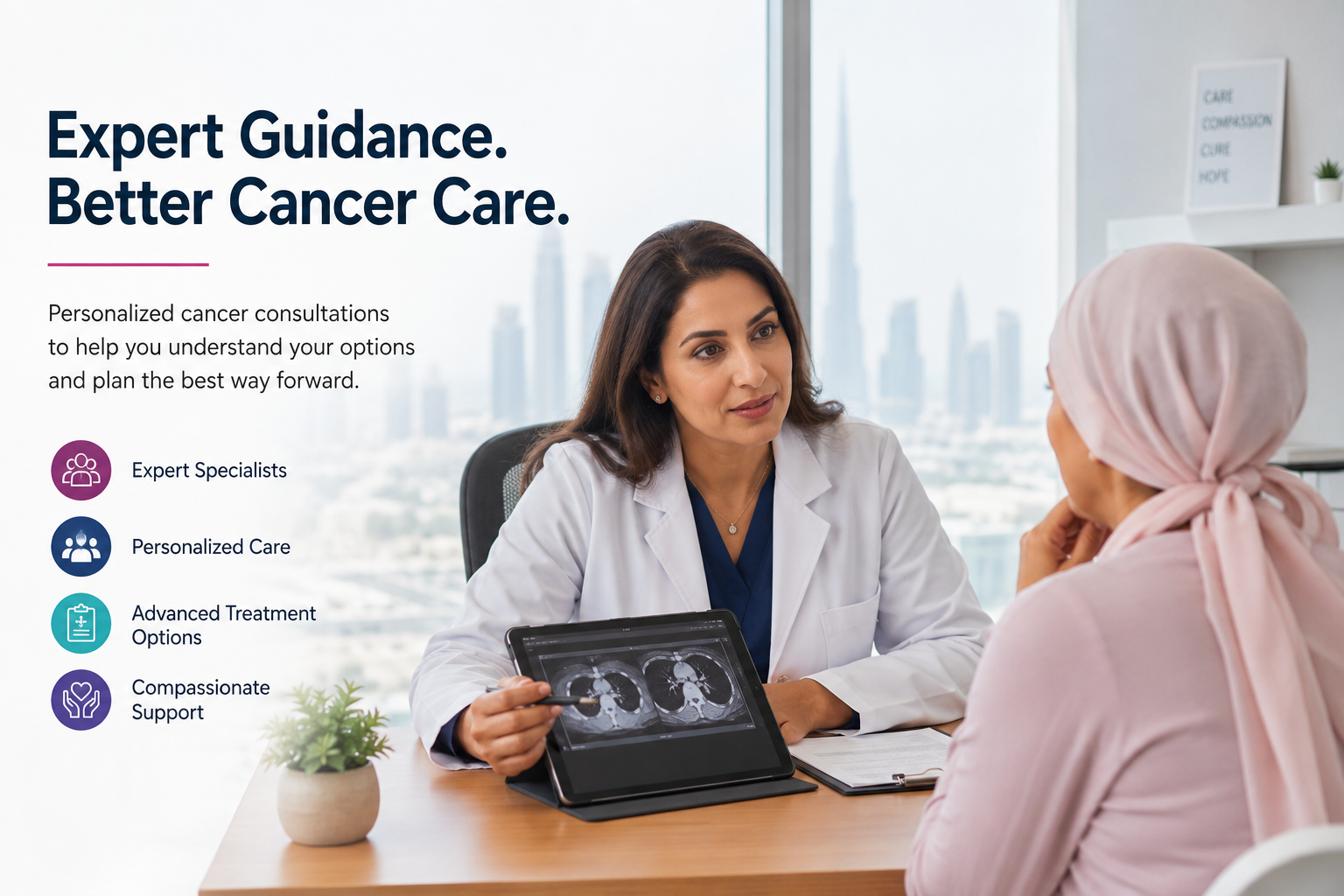
Managing cancer requires a specialized, strategic, and compassionate approach. At Cancer Care Specialties MENA, led by the renowned Dr. Sadir Juma Alrawi, we focus on providing personalized, evidence-based, and patient-centered care for all cancer types. Cancer care management is not just about treating the disease; it’s about supporting patients physically, emotionally, and psychologically through every step of their journey. In this article, we will explore everything you need to know about cancer management, types of cancer treatment, and why early and continuous care is vital for successful outcomes. What is Cancer Care Management? Cancer care management refers to the coordinated approach of diagnosing, treating, monitoring, and supporting cancer patients. It ensures that every aspect of the patient’s condition is addressed—from initial diagnosis to survivorship or palliative care. Effective cancer management involves a multidisciplinary team, including oncologists, surgeons, radiologists, pathologists, nurses, nutritionists, and mental health professionals. Together, they work to create personalized treatment plans for every patient, ensuring the best possible cancer care. Key Components of Cancer Care Management Here’s what comprehensive cancer care typically includes: 1. Early Detection and Accurate Diagnosis Early detection of cancer dramatically improves the chances of successful treatment. Screening programs for common cancers such as breast cancer, colorectal cancer, lung cancer, and prostate cancer save thousands of lives every year. 2. Personalized Treatment Planning Every cancer patient is unique. Factors like tumor type, stage, patient age, overall health, and genetic mutations must be considered. Common cancer treatments include: 3. Continuous Monitoring and Adjustment Throughout cancer treatment, constant monitoring is essential. Tumors may respond differently to therapy, requiring adjustments in the management plan. 4. Psychological and Emotional Support Cancer can be emotionally devastating. Providing access to psychologists, counselors, and support groups is critical for mental well-being. 5. Palliative and Supportive Care When cure is not possible, palliative care focuses on symptom control, improving the quality of life, and offering dignity and comfort. Why Cancer Care Management Matters Proper cancer care management can mean the difference between life and death. With cancers like breast cancer, lung cancer, liver cancer, and colon cancer, early diagnosis combined with the right treatment plan significantly increases survival rates. Moreover, well-coordinated cancer care reduces hospitalizations, lowers treatment complications, and enhances the patient’s overall quality of life. At Cancer Care Specialties MENA, we prioritize a seamless cancer journey—from diagnosis through recovery or palliative care—ensuring that every patient receives world-class attention. Common Cancers and Their Management Breast Cancer Management Breast cancer is the most common cancer among women worldwide. Management often includes a combination of surgery (lumpectomy or mastectomy), chemotherapy, radiation, and hormonal therapy. Lung Cancer Management Lung cancer is often diagnosed at a late stage. Early detection through screening (especially for smokers) combined with aggressive cancer treatment strategies can significantly improve outcomes. Liver Cancer Management Liver cancer requires rapid and aggressive cancer care. Surgery, ablation, and targeted therapies offer hope when detected early. Colon Cancer Management Colon cancer screening can prevent cancer altogether by identifying and removing precancerous polyps. If detected early, it is highly treatable with surgery and chemotherapy. Latest Advances in Cancer Care Management Advancements in cancer treatment have revolutionized care: These developments mean that today, cancer care is more effective, targeted, and compassionate than ever before. Conclusion: A Hopeful Future for Cancer Patients The journey through cancer is challenging, but with the right cancer care management, survival and recovery are achievable. At Cancer Care Specialties MENA, under the leadership of Dr. Sadir Juma Alrawi, we are committed to offering the most advanced, compassionate, and holistic cancer care possible. If you or your loved one is facing cancer, don’t navigate this journey alone. Seek expert guidance, personalized treatment, and comprehensive support. Remember: Cancer may change your life, but with the right care, it doesn’t have to define it. cancer care management, cancer, cancer care, cancer management, cancer treatment, breast cancer, lung cancer, liver cancer, colon cancer, cancer diagnosis, cancer specialists, cancer progression, cancer counseling, cancer patients, palliative care, cancer journey, precision medicine, immunotherapy, cancer hospital. bestprostatesurgeonuae | #topprostatehospitaluae | #bladdercanceruae | #testiculartumoruae | #roboticsurgeryuae | #kidneytumoruae | #kidneystoneuae | #bestgynecologistoncologyuae | #ovariantumoruae | #uterinetumoruae | #bestthoraciconcologysurgeonuae | #mesitholmahioecuae | #hipeconcologyteam | #sarcomauae | #SleeveSurgerydubai | #SleeveSurgeryUAE | #SleeveSurgerymena | #BypassSurgerydubai | #BypasssurgeryUae | #BypasssurgeryAbudhabi | #Gastricballoondubai | #Stomachballondubai | #StomachbandUae | #Stomachbanddubai | #Weightlossdubai | #Endoscopicsleevedubai | #Laparoscopicherniadubai | #Hiatusherniadubai | #Hemorrhoidsurgerydubai | #Refluxdiseasedubai | #Bestanorectalsurgeondubai | #Proctologydubai | #Bestbariatricsurgeondubai

27 Apr
0

Chemo Essentials: What You Need to Know

Chemotherapy, often referred to simply as “chemo,” is one of the most widely used treatments for various types of cancer. Whether it’s chemo for cancer of the breast, lung, colon, or blood, understanding the essentials can help patients and families prepare for the journey ahead. What is Chemotherapy? Chemotherapy involves using powerful drugs to destroy cancer cells or stop them from growing. It can be given alone or alongside other treatments like surgery, radiation therapy, or immunotherapy. The goal of chemo treatment may vary—it could be to cure cancer, control its spread, or relieve symptoms. There are different types of chemotherapy based on the cancer type and stage. Chemo drugs may be administered intravenously (through a vein), orally (in pill form), or through injections. Treatment is usually given in cycles, with rest periods in between to allow the body to recover. Chemo Treatment Cost One important factor to consider is the chemo treatment cost. The cost of chemotherapy can vary greatly depending on the type of cancer, drugs used, treatment duration, and the healthcare facility. Some patients may also need supportive care medications to manage chemo side effects, adding to the overall expense. Fortunately, many insurance plans cover a significant portion of chemo for cancer treatments. It’s important to discuss financial options with your healthcare provider and explore assistance programs if necessary. Common Chemotherapy Side Effects Chemotherapy targets rapidly dividing cells, which unfortunately includes some healthy cells too. This leads to common side effects such as: Supportive medications and therapies can greatly reduce side effects today, making chemo more manageable than ever before. Final Thoughts Knowing the basics of chemo essentials helps patients feel more in control of their treatment journey. Whether you are just starting to explore chemo options, curious about chemo cycles, or worried about chemo recovery, having the right information is key to better outcomes. Always consult your oncology team for personalized guidance and support Visit us Cancer Care Specialties MENA.

14 Apr
0

Risk Factors of Head and Neck Cancer

Head and neck cancer encompasses a group of biologically similar cancers that originate in the squamous cells lining the mucosal surfaces of the head and neck. These include cancers in the oral cavity, throat, larynx, nasal cavity, and sinuses. Recognizing the risk factors associated with head and neck cancer can aid in early detection, potentially improving treatment outcomes and survival rates. What Is Head and Neck Cancer? Head and neck cancer refers to a broad range of malignancies that affect various areas, including the mouth, throat, sinuses, salivary glands, and voice box. It can also include cancer in neck lymph nodes that may have spread from nearby regions. Understanding what is head cancer and its presentations is crucial in differentiating benign conditions from serious malignancies. Common Risk Factors for Head and Neck Cancer There are several key risk factors that significantly increase the likelihood of developing head and neck cancers: 1. Tobacco Use Tobacco, in both smoked and smokeless forms, is the most significant risk factor. Cigarettes, cigars, pipes, and chewing tobacco have all been directly linked to cancers of the mouth, throat, and voice box. Nearly 85% of head and neck cancer cases are associated with tobacco use. 2. Alcohol Consumption Heavy alcohol use, especially when combined with tobacco, drastically elevates the risk. Alcohol can irritate mucous membranes, making them more vulnerable to carcinogens found in tobacco. People who consume both tobacco and alcohol are at much higher risk for developing head cancer and head tumor cancer. 3. Human Papillomavirus (HPV) HPV infection, particularly with HPV type 16, is a major risk factor for oropharyngeal cancers. These are cancers of the back of the throat, including the base of the tongue and tonsils. HPV-positive head and neck cancers tend to have a better prognosis and response to treatment than HPV-negative tumors. 4. Poor Oral Hygiene and Dental Health Chronic irritation from poor dental hygiene, ill-fitting dentures, or untreated oral infections can increase the risk of developing oral cavity cancers. 5. Occupational Exposure Certain industries expose workers to harmful substances such as wood dust, asbestos, formaldehyde, and other chemicals. Prolonged exposure can increase the risk of cancers in the nasal cavity, nasopharynx, and larynx. 6. Radiation Exposure Individuals previously exposed to radiation therapy to the head or neck for benign conditions may be at an increased risk of developing head and neck cancer later in life. 7. Epstein-Barr Virus (EBV) EBV infection is linked to nasopharyngeal carcinoma, especially in Southeast Asia and parts of Africa. EBV can also contribute to salivary gland cancers. 8. Genetic Predisposition While not as common, some people may inherit genetic mutations that predispose them to cancer. These may be part of broader cancer syndromes that include increased risks of multiple types of malignancies. 9. Diet and Nutrition A diet low in fruits and vegetables can reduce the intake of essential antioxidants, increasing susceptibility to cancer in neck and head regions. Conversely, a diet rich in these foods is believed to provide some protection. 10. Immunosuppression Individuals with compromised immune systems, such as those with HIV/AIDS or organ transplant recipients on immunosuppressive therapy, are at increased risk of various cancers, including skin cancer on head and neck. Recognizing the Signs and Symptoms of Neck Cancer Early detection of head and neck cancer is vital for effective treatment. Common head and neck cancer symptoms include: Neck Cancer Symptoms Neck cancer is often first noticed as a lump in the neck. This could be due to a cancer tumor in neck lymph nodes. Other neck cancer signs symptoms include: If you’ve ever asked yourself, “Do I have cancer in my neck?” it’s crucial to seek medical attention promptly, especially if these symptoms persist for more than two weeks. Head and Neck Cancer Diagnosis and Treatments When signs of neck cancer or head cancer symptoms are present, a doctor will typically recommend imaging studies such as CT scans, MRIs, or PET scans. A biopsy is then used to confirm the diagnosis. Head and neck cancer treatment depends on the cancer’s location, stage, and the patient’s overall health. Common treatment modalities include: In many cases, surgery is the first line of treatment, especially when dealing with solid tumors such as head tumor cancer. Head and Neck Cancer Pictures Visual representation helps both in patient education and clinical documentation. Head and neck cancer pictures are used by specialists to assess tumor progression, monitor treatment, and identify early abnormalities. Head cancer pictures may show ulcers, visible lumps, or discolored patches that could indicate malignant changes. Prevention Tips Reducing exposure to the risk factors discussed can help lower the risk of head and neck cancers: When to See a Specialist If you experience any persistent symptoms such as a neck lump, difficulty swallowing, or unexplained pain in the head or neck, consult a cancer specialist immediately. Early diagnosis can be life-saving. Expert Cancer Care in the UAE If you are seeking specialized care for head and neck cancer, you can rely on expert oncology services in the UAE. At Cancer Care Specialties MENA, we offer a comprehensive multidisciplinary approach for diagnosis, surgery, and treatment.

01 Apr
0

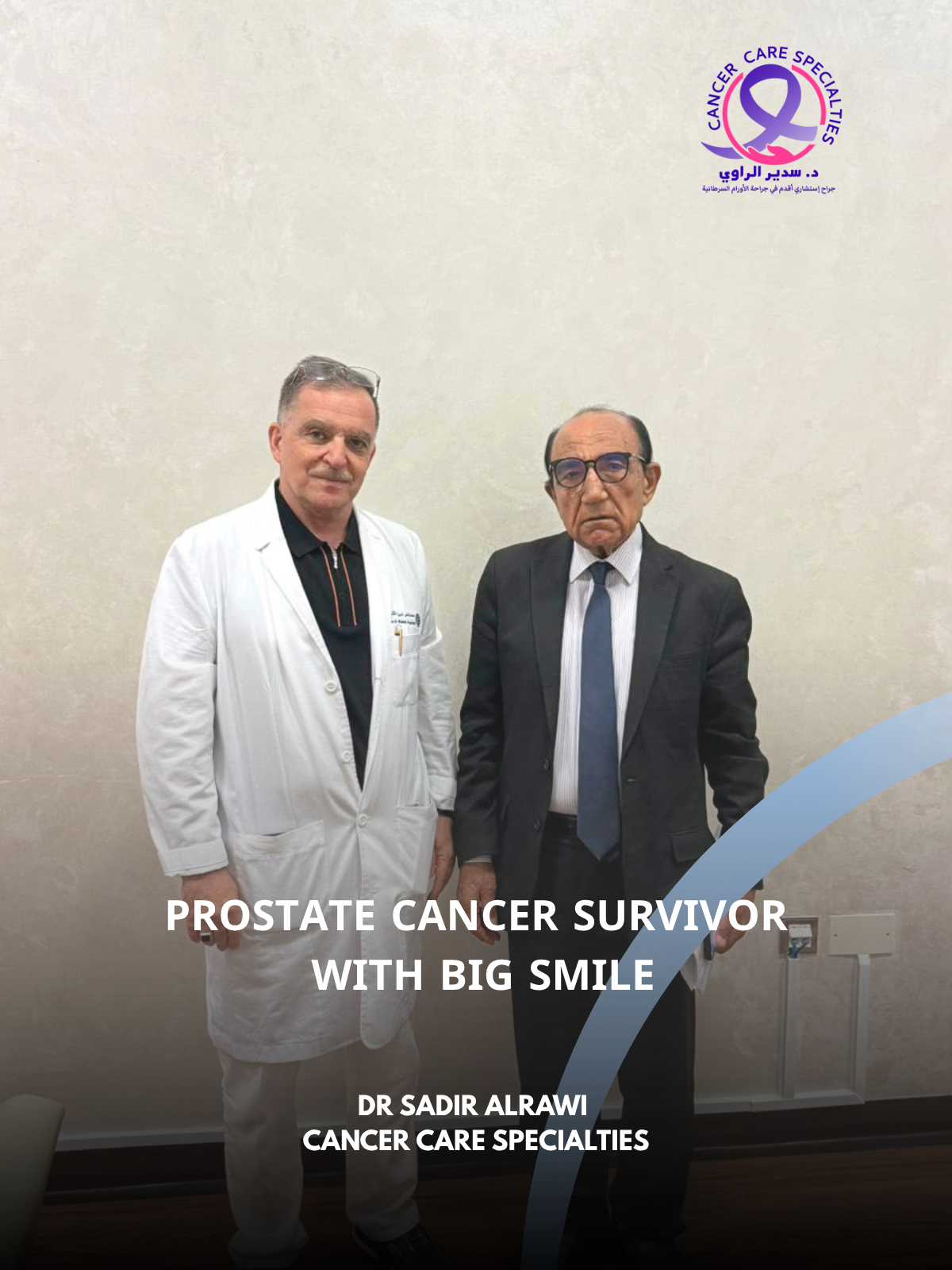
Patient Appreciation After Major Colon Cancer Surgery

Introduction The process of having significant surgical treatment for colon cancer is a life-changing event. Patients who have had to endure this difficult journey usually thank their medical professionals, families and their caregivers who helped them throughout the process. The process of recovering from surgery requires emotional and physical recovery and appreciation of the patient is an important part of the overall process. The Struggle Before Surgery A lot of patients experience uncomfortable symptoms of colon cancer before they receive the diagnosis. The symptoms could include changes in bowel routines and weight loss that is not explained as well as fatigue and blood in stool. The signs that indicate colon cancer usually go unnoticed until the cancer has advanced and early detection is crucial. Understanding Colon Cancer The definition of colon cancer is: The condition is cancerous tumor that is originating from the large intestine. Colon tumors may be related to predisposition to genetics to certain lifestyle and dietary habits, and pre-existing diseases like the inflammatory bowel disorder. Signs of colon cancer among women are often mistaken for gynecological concerns, which can delay an accurate diagnosis. Diagnosis and Treatment The most crucial aspect of the process is the diagnosis of colon cancer that involves colonoscopy and imaging tests and biopsies. How do you detect Colon cancer early requires regular screening, especially for high-risk people. Colon Cancer screening will detect polyps that are precancerous and allows for quick intervention. After being diagnosed, treatment strategies differ based on the stage of colon cancer. The early stage cancers might require surgery on its own and more advanced cases could require radiation or chemotherapy. The decision on treatment for colon cancer is dependent on the location of the tumor size, location, and overall health. The Surgical Experience A major colon cancer treatment involves the removal of the affected part of the colon and reconnecting the healthy portions. According to the circumstances the patient may need the colonostomy. Modern surgical procedures, like robotic-assisted and laparoscopic surgery have improved the recovery time and results. Post-Surgery Challenges After surgery, patients typically be concerned about the the colon cancer survival rate and the prognosis for the long term. The rate of survival is based on many factors, such as early detection, the response to treatments, and post-surgical treatment. A healthy diet, regular screenings and lifestyle modifications are all important to improving the outlook. The Role of Support and Appreciation Patients express their appreciation to the healthcare professionals which includes oncologists, surgeons and nurses who help patients through this difficult journey. Family members and caregivers play an equally vital roles in providing both physical and emotional assistance. The patient testimonials typically express the joy they feel after defeating the causes of colon cancer and having survived the rigors of a major operation. The appreciation extends to awareness campaigns and encouraging others to have routine examinations for colon cancer and to live a healthier lifestyle. Conclusion The process of the process of colon cancer diagnosis, treatment and eventual recovery can be a challenge, but not unsurmountable. The appreciation of patients following the major surgical procedures for colon cancer is a testimony to the strength of their bodies, medical advances and the unwavering assistance of family members. Giving thanks not only helps the patient, but also encourages other patients fighting the disease to be optimistic and strong. Visit us for Best Cancer Doctor And Best cancer Surgeon in UAE Dr. Sadir Alrawi.