Cancer Care Center UAE

22 Oct
0

Minimal invasive surgery

#bestprostatesurgeonuae | #topprostatehospitaluae | #bladdercanceruae | #testiculartumoruae | #roboticsurgeryuae | #kidneytumoruae | #kidneystoneuae | #bestgynecologistoncologyuae | #ovariantumoruae | #uterinetumoruae | #bestthoraciconcologysurgeonuae | #mesitholmahioecuae | #hipeconcologyteam | #sarcomauae | #SleeveSurgerydubai | #SleeveSurgeryUAE | #SleeveSurgerymena | #BypassSurgerydubai | #BypasssurgeryUae | #BypasssurgeryAbudhabi | #Gastricballoondubai | #Stomachballondubai | #StomachbandUae | #Stomachbanddubai | #Weightlossdubai | #Endoscopicsleevedubai | #Laparoscopicherniadubai | #Hiatusherniadubai | #Hemorrhoidsurgerydubai | #Refluxdiseasedubai | #Bestanorectalsurgeondubai | #Proctologydubai | #Bestbariatricsurgeondubai | #Diabeticsurgerydubai | #Metabolicsurgerydubai | #Lasersurgerydubai | #Stomachdiseasesdubai

Post treatment life tips
22 Oct
0

Post Treatment Life Tips

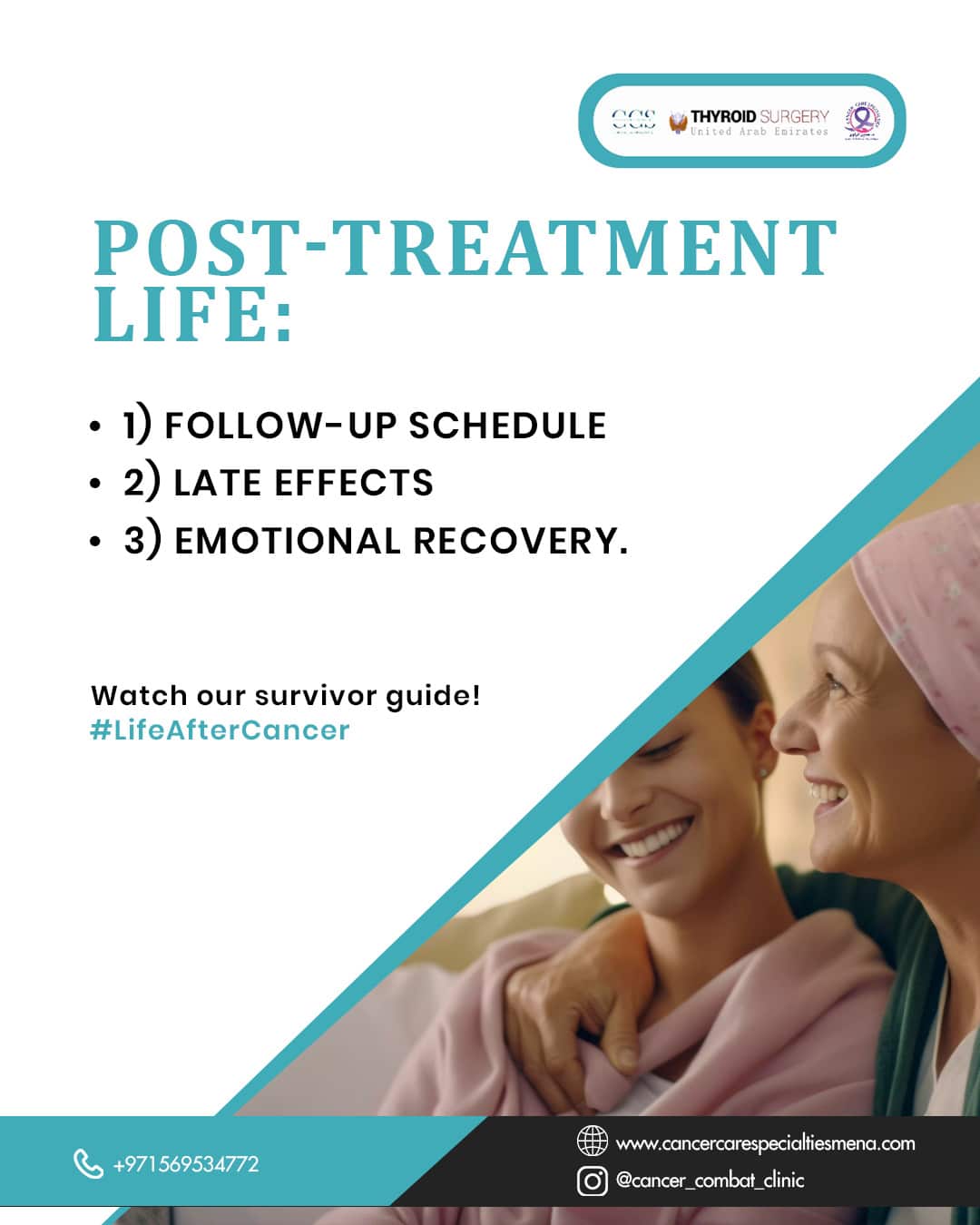
Post-Treatment Life: Embracing Recovery with Strength and Hope Life after cancer treatment marks the beginning of a new journey — one that focuses on healing, self-care, and emotional well-being. The image conveys warmth, resilience, and the power of support as survivors transition into post-treatment life. Understanding what to expect during this phase can make recovery smoother and more empowering. 1. Follow-Up Schedule: Staying on Track After completing cancer treatment, regular follow-up visits are crucial. These appointments allow doctors to monitor recovery, detect any signs of recurrence early, and manage lingering side effects. Survivors should adhere to a personalized follow-up schedule as recommended by their oncologist. It may include physical examinations, blood tests, and imaging scans. Keeping a journal of symptoms and communicating openly with your healthcare team helps maintain long-term wellness. 2. Managing Late Effects: Listening to Your Body Cancer treatments such as chemotherapy, radiation, or surgery can cause late side effects that may appear months or even years later. These might include fatigue, hormonal changes, or issues with specific organs. Awareness and early management of these effects are key to maintaining quality of life. Incorporating balanced nutrition, gentle exercise, and adequate rest can significantly aid physical recovery and boost overall health. 3. Emotional Recovery: Healing the Mind and Spirit Emotional healing is as vital as physical recovery. Many survivors experience a mix of gratitude, anxiety, or fear of recurrence. Engaging in counseling, mindfulness practices, and support groups can help manage these emotions. Surrounding oneself with family, friends, and positive environments fosters emotional strength and resilience. Moving Forward with Confidence Cancer survivorship is not the end of a chapter—it’s the beginning of a renewed life. By following up regularly, caring for your body, and nurturing emotional health, you can thrive beyond treatment and embrace the future with hope.

Tags:
Melanoma Cancer Awareness
22 Oct
0

Melanoma Cancer Awareness

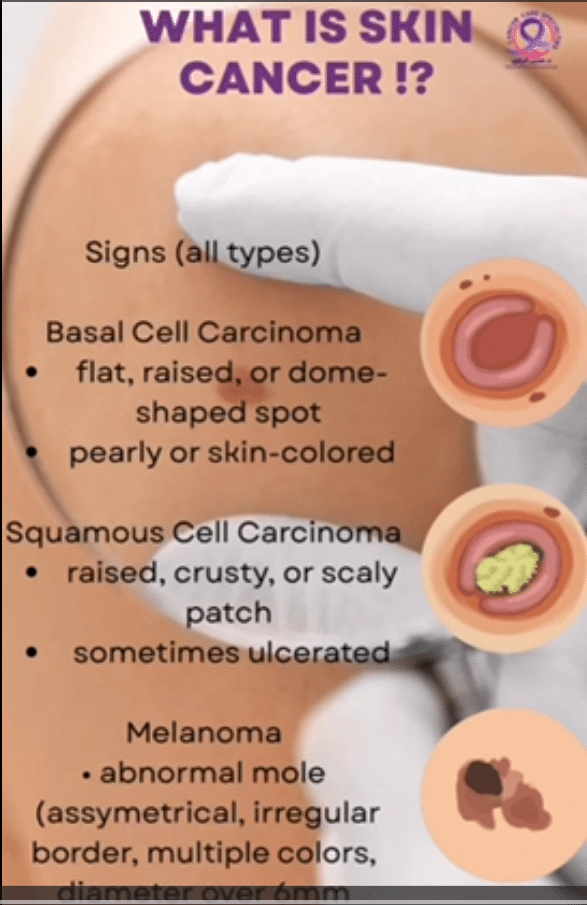
Melanoma Cancer: Understanding Skin Cancer and Its Warning Signs Skin cancer is one of the most common yet preventable forms of cancer. Among its various types, melanoma is the most aggressive and potentially life-threatening. This awareness aims to educate individuals about recognizing early signs, understanding risk factors, and emphasizing the importance of timely medical evaluation. What Is Skin Cancer? Skin cancer occurs when abnormal cells in the skin begin to grow uncontrollably. It primarily develops due to overexposure to ultraviolet (UV) radiation from the sun or tanning beds. The image highlights the three main types of skin cancer—Basal Cell Carcinoma (BCC), Squamous Cell Carcinoma (SCC), and Melanoma—each presenting with distinct visual features and characteristics. Types of Skin Cancer 1. Basal Cell Carcinoma (BCC) Basal Cell Carcinoma is the most common and least dangerous type of skin cancer. It typically appears as a flat, raised, or dome-shaped spot that may be pearly or skin-colored. While it rarely spreads to other parts of the body, untreated BCC can cause local damage to surrounding tissues. Early detection and removal are crucial to prevent recurrence. 2. Squamous Cell Carcinoma (SCC) Squamous Cell Carcinoma often manifests as a raised, crusty, or scaly patch of skin. In some cases, the area may become ulcerated or bleed. SCC is more aggressive than BCC and can spread if left untreated. It is frequently found on sun-exposed areas such as the face, neck, and hands. 3. Melanoma Melanoma is the most serious form of skin cancer, developing in the pigment-producing cells known as melanocytes. It often presents as an abnormal mole with asymmetrical shape, irregular borders, multiple colors, and a diameter larger than 6mm. Melanoma can spread rapidly to other organs, making early diagnosis and intervention vital for survival. Importance of Awareness and Prevention Raising awareness about skin cancer, especially melanoma, can save lives. Regular skin self-examinations, use of sunscreen, protective clothing, and avoiding prolonged sun exposure are essential preventive steps. If any new or changing moles appear, seeking immediate evaluation from a dermatologist or oncologist is critical. Conclusion Melanoma awareness is more than just recognizing a mole—it’s about prioritizing skin health and early detection. With timely diagnosis, most skin cancers can be treated successfully. Remember: protecting your skin today can prevent melanoma tomorrow.

Tags:

Latest News

Seminar & Events

Archive