Parotid surgery is a specialized procedure aimed at removing tumors or diseased tissue from the parotid gland, one of the major salivary glands located near the ear. This surgery is crucial for managing both benign and malignant conditions affecting the gland. Whether you’re a patient preparing for parotid gland surgery or a caregiver seeking information, this comprehensive guide will cover everything you need to know. What Is the Parotid Gland? The parotid gland is the largest of the salivary glands and is located just in front of and below the ear. It plays a vital role in producing saliva, which aids in digestion and oral health. Problems with this gland can lead to swelling, pain, or the development of tumors, which may necessitate parotid gland tumor surgery. When Is Parotid Surgery Needed? Parotid surgery becomes necessary when a mass, cyst, or tumor develops in the gland. This could be due to: The decision to undergo parotid gland surgery depends on the nature and behavior of the tumor. In many cases, surgery is recommended to prevent malignancy or further complications. Types of Parotid Tumors Benign Tumors Most parotid salivary gland tumors are benign, but they can still grow and cause discomfort or cosmetic concerns. Common benign types include: Malignant Tumors Cancer in the parotid gland is relatively rare but can be aggressive. Parotid gland cancer symptoms may include: Early detection of parotid gland cancer is vital for successful treatment and long-term outcomes. Symptoms Leading to Parotid Gland Surgery You might be referred for parotid gland tumor surgery if you experience the following: These parotid gland tumor symptoms are red flags that warrant further investigation. Diagnostic Tests Before Surgery Ultrasound of Parotid Gland An ultrasound of the parotid gland is often the first imaging test performed to assess the nature and size of the tumor. This test is painless, safe, and effective in differentiating solid from cystic masses. Parotid Gland Sonography Parotid gland sonography offers detailed insights into the lesion’s characteristics. It helps determine the tumor’s location, its relation to surrounding structures, and guides the decision for biopsy or surgery. The Surgical Procedure Explained What Happens During Parotid Surgery? Parotid surgery involves the careful removal of part or all of the gland. The two most common procedures are: A key concern during surgery is preserving the facial nerve, which passes through the parotid gland and controls facial movements. Anesthesia and Duration Parotid gland tumor surgery is typically performed under general anesthesia and may take 2–4 hours depending on the complexity of the case. Risks and Complications As with any surgical procedure, parotid gland surgery carries some risks: However, these risks are significantly reduced when performed by an experienced head and neck surgeon. Post-Surgery Recovery and Care Hospital Stay and Immediate Recovery Most patients stay in the hospital for 1 to 2 days after parotid tumour surgery. A drainage tube may be placed to remove fluid from the surgical site, and the area is closely monitored for signs of infection or nerve damage. Wound Healing and Scar Care Stitches are usually removed after a week. Parotid gland surgery photos and parotid gland surgery pictures are often used in clinical settings to monitor healing and guide future patients. Long-Term Follow-Up Regular follow-ups are essential, especially in cases involving parotid gland cancer. Imaging studies, physical exams, and occasionally additional treatment such as radiation may be required. Cosmetic and Functional Outcomes While parotid gland tumor surgery aims to remove disease, preserving appearance and facial function is also a priority. Advanced techniques minimize visible scarring and ensure better outcomes. Patients often inquire about parotid gland surgery photos to understand what to expect post-operatively. Surgeons may use parotid gland surgery pictures during consultations to explain potential changes and improvements over time. Prognosis and Survival in Parotid Gland Cancer The outcome of parotid gland cancer largely depends on: Early-stage cancer in the parotid gland often has an excellent prognosis. However, aggressive or late-stage tumors may require additional therapies such as chemotherapy or radiotherapy. FAQs About Parotid Gland Surgery Is Parotid Surgery Painful? Post-surgical discomfort is common but manageable with medications. Most patients resume normal activities within a few weeks. Will I Have Facial Numbness? Some numbness around the ear or cheek is common after parotid tumor surgery. It usually improves with time. Can Benign Tumors Turn Cancerous? Some benign tumors, especially pleomorphic adenomas, have a low but significant risk of becoming malignant over time. That’s why early parotid gland tumor surgery is often advised. Can I See the Tumor Before Surgery? Yes, imaging such as ultrasound of parotid gland and parotid gland sonography provides a visual of the tumor, often shared with patients for clarity. Choosing the Right Surgeon for Parotid Gland Surgery When dealing with delicate structures like the facial nerve, choosing a skilled and experienced surgeon is crucial. A head and neck oncologist with expertise in parotid gland tumor surgery will ensure safe, effective outcomes with minimal complications. Look for a surgeon who provides: Conclusion Parotid surgery is a critical and often life-changing procedure for those suffering from tumors or cancer in the salivary glands. Whether it’s a benign growth or a case of parotid gland cancer, early intervention improves the outcome significantly. Understanding the procedure, risks, and recovery process can empower patients to make informed decisions. From diagnostic tools like parotid gland sonography to visual aids such as parotid gland surgery pictures, every step in the journey is crucial for a successful recovery. If you’re experiencing any parotid gland tumor symptoms or signs of cancer in the parotid gland, seek medical advice promptly at Cancer care Specialties Mena by Best oncologist in UAE Dr Sadir Juma Alrawi. Early diagnosis, guided by imaging such as ultrasound of the parotid gland, and timely parotid tumour surgery can make all the difference.
At Cancer Care Specialties MENA, we understand that a cancer diagnosis can be overwhelming. That’s why we offer a free second opinion at all our centers, ensuring that patients have the information and confidence to make informed decisions about their treatment. Comprehensive Cancer Care Across the UAE Whether you are seeking treatment in Al Zahra Hospital Dubai, Al Zahra Hospital Abu Dhabi, or any of our affiliated centers, we offer a collaborative approach to cancer care. Dr. Sadir Juma Alrawi, our esteemed oncologist, brings years of experience in diagnosing and treating various types of cancer. At Cancer Care Specialties MENA, we ensure that every patient receives a thorough second opinion, reviewing all available options to provide personalized care plans. Why Seek a Second Opinion? Getting a second opinion is vital in the cancer care journey. At Al Zahra Hospital UAE, we provide our patients with access to expert advice from specialists, such as Al Zahra Hospital dermatologist for skin cancers or Al Zahra Hospital Dubai for more complex cases. A second opinion helps ensure that the diagnosis and recommended treatments are accurate, and it empowers patients to make decisions that align with their needs. Confidence in Your Treatment Pathway At Cancer Care Specialties MENA, we are dedicated to offering compassionate care, providing clarity, and empowering patients at every step of their journey. Whether you’re in Al Zahra Hospital Abu Dhabi or any of our UAE centers, trust our experienced team, led by Dr. Sadir Juma Alrawi, to support you with professional insights and guidance. Get a free second opinion today and take the first step toward a comprehensive, informed treatment plan.
Cancer is one of the most challenging journeys a patient can face, both emotionally and financially. While advanced treatments are available, they often come at a high cost. Charity support for cancer patients plays a crucial role in bridging this gap—offering hope, access, and healing for those who may otherwise be unable to afford life-saving care. Empowering Lives Through Charity: Cancer Care Services in UAE In the UAE, many charitable initiatives are stepping up to support patients in need. These programs provide financial aid for treatment, transportation, medications, and emotional support. Institutions like Cancer Care Specialties MENA are at the forefront of this movement, ensuring that every cancer patient receives care with dignity, regardless of their financial background. Through partnerships with local and international charities, patients are supported throughout their cancer journey—from diagnosis and treatment to recovery and survivorship. Dr. Sadir Juma Alrawi: Leading the Cause with Compassion One of the key figures advocating for charity-based cancer care is Dr. Sadir Juma Alrawi, a renowned oncologist and surgeon. Known for his patient-centered approach, Dr. Alrawi actively collaborates with charitable foundations to provide subsidized treatment at Cancer Care Specialties MENA, a trusted name in oncology across the UAE. By working with charities and donors, Dr. Alrawi ensures that even the most complex cases receive expert attention, often at reduced or no cost to the patient. Join us for charity for cancer patients in dubai. Cancer Surgery Hospital with a Heart When facing cancer, surgery is often a critical part of treatment. But high surgical costs can be overwhelming. At Cancer Care Specialties MENA, a leading Cancer Surgery hospital, patients benefit from both top-tier surgical care and access to charitable funding programs. This combination helps remove financial barriers, giving patients a real chance at survival and recovery. Best Oncology in UAE Hospital with Charitable Outreach With state-of-the-art facilities and a dedicated oncology team, Cancer Care Specialties MENA is recognized among the Best oncology in UAE hospitals. But what sets it apart is its commitment to community and charity. The hospital regularly collaborates with NGOs and healthcare foundations to offer subsidized treatments, community screenings, and awareness campaigns for early detection. Top Oncologist Hospital in Dubai Offering Support Beyond Medicine As a Top Oncologist Hospital in Dubai, Cancer Care Specialties MENA provides more than just medical treatment. Their charitable support programs include counseling services, nutrition guidance, post-treatment rehabilitation, and palliative care for charity for cancer patients in dubai. These comprehensive services are made accessible to all through a mix of donations, grants, and charity partnerships. How You Can Help To Charity For Cancer Patients in Dubai Whether you’re a business, individual, or part of a healthcare organization, there are many ways to contribute. Donations, volunteering, or even sharing information about available charity programs can make a meaningful impact on someone’s life with charity for cancer patients in UAE. Together, we can make a difference. Through the dedication of doctors like Dr. Sadir Juma Alrawi and institutions like Cancer Care Specialties MENA, cancer patients in the UAE have a fighting chance—regardless of their financial means. Charity is not just about giving; it’s about saving lives.
How To Tell If Your Diet Is Secretly Hurting Your Stamina In Bed Your diet can play a significant role in your stamina and sexual performance. If you’re experiencing issues with premature ejaculation, it might be time to take a closer look at what you’re eating. Certain foods can impact hormone levels and energy, potentially affecting your ability to maintain stamina during intimate moments. For instance, diets high in processed foods, sugars, and unhealthy fats may lead to energy slumps and reduced stamina. Conversely, including foods rich in magnesium and zinc, such as spinach, pumpkin seeds, and almonds, can support better energy levels and stamina. It’s crucial to evaluate your diet and make necessary changes to ensure it contributes positively to your sexual health. Home Remedies For Premature Ejaculation Addressing premature ejaculation naturally involves a variety of techniques and lifestyle adjustments. Simple methods like the edging technique, pause-squeeze method, exercises, and dietary supplements can be effective. These approaches aim to help delay ejaculation and enhance overall sexual performance. Using Condoms Condoms can be an effective tool in delaying ejaculation. They reduce penile sensitivity, allowing for longer-lasting performance during intercourse. Consider experimenting with different types to find one that best suits your needs while helping to extend the experience. Premature Ejaculation Wipes Premature ejaculation wipes are designed to decrease sensitivity at the tip and shaft of the penis. These wipes contain a small amount of topical anesthetic, which helps create a numbing effect, thus delaying ejaculation. They are usually disposable and can be a practical solution for those seeking immediate results. Pause-Squeeze Technique The pause-squeeze technique is a straightforward method to delay ejaculation. Stimulate the penis until just before ejaculation, then gently squeeze the tip for about thirty seconds. This technique helps reduce the sensation of orgasm and can be repeated as needed. Avoiding Sex For A While Sometimes, taking a break from sexual activities can alleviate performance anxiety, a common cause of premature ejaculation. During this period, addressing underlying anxiety issues can prove beneficial. If needed, other treatments for performance anxiety can be considered. Masturbating Before Intercourse Engaging in masturbation before sex can help manage premature ejaculation. By doing so, you might find that your urge to climax quickly is reduced, allowing for a longer and more satisfying sexual experience. Herbal Medicines Herbal remedies have been utilized for centuries to address various health concerns, including premature ejaculation. Ayurvedic medicines, for example, offer alternative solutions. It’s essential to choose reputable products and consult with a healthcare professional to ensure their safety and effectiveness. Sources For more information on effective solutions for premature ejaculation, visit www.flex-pharma.com.
Maintaining a healthy diet is essential for overall well-being, and it plays a pivotal role in cancer prevention and management. Avanafil vs tadalafil: Both phosphodiesterase type 5 inhibitors improve erectile function. For detailed comparison data and efficacy analysis, visit http:/www.boutique.hr/kategoria-clenbuterol/ Avanafil, faster onset; tadalafil, longer duration. Best marijuana for sex enhances libido, vasodilation, and relaxation, facilitating enhanced intimacy. Its phytochemicals, including cannabinoids and terpenes, can modulate neurotransmitter release, influencing arousal and pleasure. Visit zilonis.de/kann-zu-viel-bewegung-erektile-dysfunktion-verursachen/ to learn more about these effects. Alternative to sildenafil, such as herbal compounds, may aid in managing erectile dysfunction. Tadalafil side effects on heart include potential risk of arrhythmias and angina, particularly in patients with pre-existing cardiovascular conditions; detailed examination can be found at www.thsld.com/cialis-tadalafil-tips-van-apothekers/ https:/www.cerrajerossmadrid.com/2024/12/02/unik-effektivitet-av-viagra-20/ These options often exhibit fewer side effects compared to sildenafil 25 mg tablet. A well-balanced, cancer-related diet can bolster your immune system, reduce inflammation, and provide the necessary nutrients to support your body’s defenses against cancer. Understanding the Importance of a Cancer-Related Diet A cancer-related diet focuses on consuming foods that may help lower the risk of developing cancer and support the body during treatment. Incorporating specific dietary choices can influence cancer progression and improve treatment outcomes. Key Components of a Cancer-Related Diet High-Fiber Foods: Diets rich in fiber, such as whole grains, legumes, fruits, and vegetables, are associated with a reduced risk of colorectal cancer. Fiber aids in digestion and helps eliminate carcinogens from the body. Cruciferous Vegetables: Vegetables like broccoli, cauliflower, and Brussels sprouts contain compounds that may have cancer-protective properties. Lean Proteins: Incorporate lean protein sources such as fish, poultry, and plant-based proteins like beans and lentils. These provide essential amino acids without the added saturated fats found in red meats. Healthy Fats: Opt for sources of healthy fats, including avocados, nuts, seeds, and olive oil. These fats can help reduce inflammation and support heart health. Antioxidant-Rich Foods: Berries, leafy greens, and nuts are high in antioxidants, which combat oxidative stress and may reduce cancer risk. Foods to Limit or Avoid Processed and Red Meats: High consumption of processed and red meats has been linked to an increased risk of certain cancers. Sugary Beverages and Snacks: These can lead to weight gain and obesity, which are risk factors for various cancers. Alcohol: Excessive alcohol intake is associated with an increased risk of several cancers, including breast and liver cancer. Wikipedia Practical Tips for Implementing a Cancer-Related Diet Plan Balanced Meals: Aim to fill half your plate with fruits and vegetables, a quarter with whole grains, and a quarter with lean proteins. Stay Hydrated: Drink plenty of water throughout the day to help flush toxins from your body. Cook at Home: Preparing meals at home allows you to control ingredients and cooking methods, reducing the intake of unhealthy additives. Read Nutrition Labels: Be mindful of added sugars, sodium, and unhealthy fats in packaged foods. Conclusion Adopting a cancer-related diet is a proactive step towards enhancing your health and reducing cancer risk. By focusing on nutrient-dense foods and minimizing harmful dietary components, you empower your body to function optimally. What is impotence, a common male issue, often relates to blood flow or nerve supply; a ivermectin pill does not aid in its treatment, while PDE inhibitors may be effective. Generic Viagra does not work for everyone; efficacy can vary due to http:/www.carview-qc.nl/como-eliminar-el-enrojecimiento-facial-por-viagra/ individual physiology. Penile dysfunction affects numerous individuals globally, visit www.inspectoramariaanchieta.com/ensayos-clinicos/ for information on solutions like mens penis pumps, used to enhance sexual function effectively. For some, switching to branded formulations might yield better therapeutic results. Remember, it’s not about strict limitations but about making informed, balanced choices that support your well-being.
Managing cancer requires a specialized, strategic, and compassionate approach. At Cancer Care Specialties MENA, led by the renowned Dr. Sadir Juma Alrawi, we focus on providing personalized, evidence-based, and patient-centered care for all cancer types. Cancer care management is not just about treating the disease; it’s about supporting patients physically, emotionally, and psychologically through every step of their journey. In this article, we will explore everything you need to know about cancer management, types of cancer treatment, and why early and continuous care is vital for successful outcomes. What is Cancer Care Management? Cancer care management refers to the coordinated approach of diagnosing, treating, monitoring, and supporting cancer patients. It ensures that every aspect of the patient’s condition is addressed—from initial diagnosis to survivorship or palliative care. Effective cancer management involves a multidisciplinary team, including oncologists, surgeons, radiologists, pathologists, nurses, nutritionists, and mental health professionals. Together, they work to create personalized treatment plans for every patient, ensuring the best possible cancer care. Key Components of Cancer Care Management Here’s what comprehensive cancer care typically includes: 1. Early Detection and Accurate Diagnosis Early detection of cancer dramatically improves the chances of successful treatment. Screening programs for common cancers such as breast cancer, colorectal cancer, lung cancer, and prostate cancer save thousands of lives every year. 2. Personalized Treatment Planning Every cancer patient is unique. Factors like tumor type, stage, patient age, overall health, and genetic mutations must be considered. Common cancer treatments include: 3. Continuous Monitoring and Adjustment Throughout cancer treatment, constant monitoring is essential. Tumors may respond differently to therapy, requiring adjustments in the management plan. 4. Psychological and Emotional Support Cancer can be emotionally devastating. Providing access to psychologists, counselors, and support groups is critical for mental well-being. 5. Palliative and Supportive Care When cure is not possible, palliative care focuses on symptom control, improving the quality of life, and offering dignity and comfort. Why Cancer Care Management Matters Proper cancer care management can mean the difference between life and death. With cancers like breast cancer, lung cancer, liver cancer, and colon cancer, early diagnosis combined with the right treatment plan significantly increases survival rates. Moreover, well-coordinated cancer care reduces hospitalizations, lowers treatment complications, and enhances the patient’s overall quality of life. At Cancer Care Specialties MENA, we prioritize a seamless cancer journey—from diagnosis through recovery or palliative care—ensuring that every patient receives world-class attention. Common Cancers and Their Management Breast Cancer Management Breast cancer is the most common cancer among women worldwide. Management often includes a combination of surgery (lumpectomy or mastectomy), chemotherapy, radiation, and hormonal therapy. Lung Cancer Management Lung cancer is often diagnosed at a late stage. Early detection through screening (especially for smokers) combined with aggressive cancer treatment strategies can significantly improve outcomes. Liver Cancer Management Liver cancer requires rapid and aggressive cancer care. Surgery, ablation, and targeted therapies offer hope when detected early. Colon Cancer Management Colon cancer screening can prevent cancer altogether by identifying and removing precancerous polyps. If detected early, it is highly treatable with surgery and chemotherapy. Latest Advances in Cancer Care Management Advancements in cancer treatment have revolutionized care: These developments mean that today, cancer care is more effective, targeted, and compassionate than ever before. Conclusion: A Hopeful Future for Cancer Patients The journey through cancer is challenging, but with the right cancer care management, survival and recovery are achievable. At Cancer Care Specialties MENA, under the leadership of Dr. Sadir Juma Alrawi, we are committed to offering the most advanced, compassionate, and holistic cancer care possible. If you or your loved one is facing cancer, don’t navigate this journey alone. Seek expert guidance, personalized treatment, and comprehensive support. Remember: Cancer may change your life, but with the right care, it doesn’t have to define it. cancer care management, cancer, cancer care, cancer management, cancer treatment, breast cancer, lung cancer, liver cancer, colon cancer, cancer diagnosis, cancer specialists, cancer progression, cancer counseling, cancer patients, palliative care, cancer journey, precision medicine, immunotherapy, cancer hospital. bestprostatesurgeonuae | #topprostatehospitaluae | #bladdercanceruae | #testiculartumoruae | #roboticsurgeryuae | #kidneytumoruae | #kidneystoneuae | #bestgynecologistoncologyuae | #ovariantumoruae | #uterinetumoruae | #bestthoraciconcologysurgeonuae | #mesitholmahioecuae | #hipeconcologyteam | #sarcomauae | #SleeveSurgerydubai | #SleeveSurgeryUAE | #SleeveSurgerymena | #BypassSurgerydubai | #BypasssurgeryUae | #BypasssurgeryAbudhabi | #Gastricballoondubai | #Stomachballondubai | #StomachbandUae | #Stomachbanddubai | #Weightlossdubai | #Endoscopicsleevedubai | #Laparoscopicherniadubai | #Hiatusherniadubai | #Hemorrhoidsurgerydubai | #Refluxdiseasedubai | #Bestanorectalsurgeondubai | #Proctologydubai | #Bestbariatricsurgeondubai
At Cancer Care Specialties MENA, under the expert care of Dr. Sadir Juma Alrawi, we witness incredible journeys every day — especially those of patients who undergo Whipple surgery. Also known as pancreaticoduodenectomy, Whipple surgery is a life-saving procedure primarily used to treat pancreatic cancer and other conditions affecting the pancreas, bile duct, and small intestine. Today, we dedicate this article to all the brave patients who faced the challenge of pancreatic surgery with courage and resilience. Their stories inspire not only our medical team but everyone fighting against pancreatic cancer. What is Whipple Surgery? Whipple surgery is a complex and delicate operation designed to remove tumors from the head of the pancreas. In most cases, it’s the best surgical option for treating pancreatic cancer that hasn’t spread beyond the pancreas. During Whipple surgery, the surgeon removes: The remaining organs are then carefully reconnected to allow normal digestion. Due to its complexity, Whipple surgery requires a highly skilled surgeon with extensive experience in pancreatic surgery. Why Whipple Surgery is Crucial for Pancreatic Cancer Patients Pancreatic cancer is often diagnosed at a late stage, making it one of the most challenging cancers to treat. For patients whose cancer is detected early, Whipple surgery offers the best chance of long-term survival and cure. At Cancer Care Specialties MENA, we have seen firsthand how early intervention with Whipple surgery can transform patient outcomes. Whipple Surgery Patient Appreciation: Celebrating Strength Each Whipple surgery patient teaches us something profound about strength, hope, and recovery. Facing a diagnosis of pancreatic cancer is overwhelming, but those who choose to undergo pancreatic surgery demonstrate incredible bravery. We celebrate our patients who: Their courage motivates us to continually improve our surgical techniques and post-operative care. Recovery After Whipple Surgery Recovering from Whipple surgery is no small feat. It typically involves: Our specialized team at Cancer Care Specialties MENA ensures that every patient receives personalized care during their pancreatic surgery recovery. Pancreatic surgery recovery is a journey, but many patients eventually return to normal or near-normal activities. Thanks to advances in surgical techniques and better post-operative care, outcomes are better than ever before. Common Challenges After Whipple Surgery While Whipple surgery can be life-saving, it is not without challenges. Some common issues patients may face after pancreatic surgery include: Understanding these risks helps patients and families prepare for the recovery period. Our team provides comprehensive support, including nutrition counseling, diabetic management if needed, and physical therapy. Importance of Choosing an Experienced Pancreatic Surgeon Because Whipple surgery is complex, it’s essential to have it performed by a highly experienced pancreatic surgeon. Research shows that outcomes are significantly better when the procedure is done by surgeons and at hospitals that perform a high volume of pancreatic surgeries. At Cancer Care Specialties MENA, Dr. Sadir Juma Alrawi brings unparalleled expertise in pancreatic surgery and a track record of successful patient outcomes. Our center’s commitment to excellence ensures that patients undergoing Whipple surgery receive the best possible care. Pancreatic Cancer Awareness and Early Detection One key to improving survival rates is early detection of pancreatic cancer. Unfortunately, pancreatic cancer often shows no symptoms until it is advanced. Some signs that warrant medical evaluation include: If detected early, pancreatic cancer can sometimes be treated successfully with Whipple surgery. The Future of Whipple Surgery and Pancreatic Cancer Treatment Research continues to make exciting advances in the treatment of pancreatic cancer. From robotic-assisted Whipple surgery to improved chemotherapy protocols, patients now have more options than ever before. At Cancer Care Specialties MENA, we stay at the forefront of these developments to offer the latest and most effective treatments for our patients. Final Thoughts: A Tribute to Our Whipple Surgery Patients Every Whipple surgery patient is a fighter. Their courage in facing pancreatic cancer and undergoing complex pancreatic surgery is truly inspiring. We are honored to walk alongside them on their journey toward healing. At Cancer Care Specialties MENA, we extend our deepest appreciation to every patient who trusted us with their care. Your strength and resilience inspire not only our team but the broader community fighting against pancreatic cancer. If you or a loved one is facing pancreatic cancer and would like to learn more about Whipple surgery, please contact Cancer Care Specialties MENA. With compassionate care and surgical excellence, we are here to help.
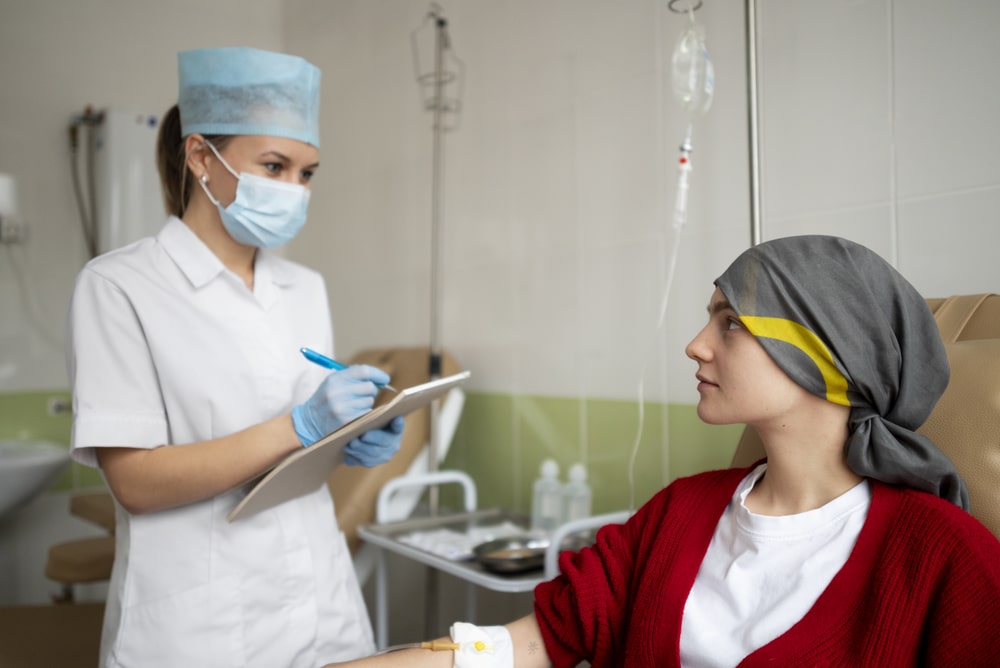
Chemotherapy, often referred to simply as “chemo,” is one of the most widely used treatments for various types of cancer. Whether it’s chemo for cancer of the breast, lung, colon, or blood, understanding the essentials can help patients and families prepare for the journey ahead. What is Chemotherapy? Chemotherapy involves using powerful drugs to destroy cancer cells or stop them from growing. It can be given alone or alongside other treatments like surgery, radiation therapy, or immunotherapy. The goal of chemo treatment may vary—it could be to cure cancer, control its spread, or relieve symptoms. There are different types of chemotherapy based on the cancer type and stage. Chemo drugs may be administered intravenously (through a vein), orally (in pill form), or through injections. Treatment is usually given in cycles, with rest periods in between to allow the body to recover. Chemo Treatment Cost One important factor to consider is the chemo treatment cost. The cost of chemotherapy can vary greatly depending on the type of cancer, drugs used, treatment duration, and the healthcare facility. Some patients may also need supportive care medications to manage chemo side effects, adding to the overall expense. Fortunately, many insurance plans cover a significant portion of chemo for cancer treatments. It’s important to discuss financial options with your healthcare provider and explore assistance programs if necessary. Common Chemotherapy Side Effects Chemotherapy targets rapidly dividing cells, which unfortunately includes some healthy cells too. This leads to common side effects such as: Supportive medications and therapies can greatly reduce side effects today, making chemo more manageable than ever before. Final Thoughts Knowing the basics of chemo essentials helps patients feel more in control of their treatment journey. Whether you are just starting to explore chemo options, curious about chemo cycles, or worried about chemo recovery, having the right information is key to better outcomes. Always consult your oncology team for personalized guidance and support Visit us Cancer Care Specialties MENA.
Details En Patiëntgeschiktheid Dit is een open-label, twee-arm, één-sequentie, cross-over studie die de veiligheid en farmacokinetische interactie evalueert na orale toediening van tadalafil en dutasteride bij gezonde mannelijke vrijwilligers. Deze zorgvuldig gekozen deelnemers zorgen voor een relevant begrip van hoe deze medicijnen in het lichaam interageren. Het doel is om te observeren hoe tadalafil, vaak gebruikt voor de behandeling van erectiestoornissen, en dutasteride, gebruikt voor prostaatproblemen, samen functioneren. Door gezonde vrijwilligers te betrekken, willen onderzoekers onbevooroordeelde gegevens over medicijnmetabolisme en interactie vastleggen. Proefopzet De proef is ontworpen in een cross-over formaat, waardoor deelnemers beide behandelingen in een volgorde kunnen ontvangen. Deze methode helpt bij het vergelijken van de farmacokinetische profielen van elk medicijn zowel individueel als in combinatie. De volgorde begint met een initiële dosis tadalafil, gevolgd door een combinatiedosis na een specifieke wash-out periode. Een dergelijk ontwerp zorgt voor de nauwkeurigheid van de resultaten en een beter begrip van medicijninteractie, wat de weg vrijmaakt voor toekomstige toepassingen. Proefcontacten En Locaties De studie wordt uitgevoerd in Amsterdam, Nederland. Deze locatie is geselecteerd vanwege de geavanceerde onderzoeksfaciliteiten en toegang tot een pool van gezonde vrijwilligers. Deelnemers worden aangemoedigd om Apotheekvoorhem.com/originele-cialis.html te bezoeken voor meer informatie over deelname en andere vragen met betrekking tot de proef.
Maca Root For Men: 5 Sexual Health Benefits Maca Root, often referred to as Peruvian Ginseng, is gaining popularity in the USA for its potential to boost men’s sexual health. This natural remedy offers a range of benefits that go beyond just enhancing libido. Firstly, Maca Root can improve energy levels, which may lead to increased stamina during intimate moments. It is also thought to balance hormone levels, contributing to improved sexual function. Additionally, Maca Root may help reduce symptoms of erectile dysfunction, making it a natural ally for those seeking an alternative to medication. Another potential benefit is its ability to enhance mood and reduce stress, factors that can negatively impact sexual performance. Lastly, Maca Root might support overall fertility health by improving sperm quality. For those looking to enhance their sexual well-being naturally, incorporating Maca Root into their routine could be a game-changer. Details When considering treatments for erectile dysfunction, many individuals find themselves deciding between Sildenafil and Tadalafil. Both medications belong to a class of drugs known as PDE5 inhibitors, and they work by increasing blood flow to the penis to help achieve and maintain an erection. However, they differ in their duration of action and onset times. Sildenafil, commonly known as Viagra, typically works within 30 to 60 minutes and lasts for about 4 to 6 hours. On the other hand, Tadalafil, known as Cialis, can be effective within 30 minutes and may last up to 36 hours, offering more spontaneity. Choosing between the two often depends on personal preference and lifestyle needs. For those who prefer not to plan sexual activity around medication, Tadalafil may be the preferred option. Visit aomc.org/ for more information.