
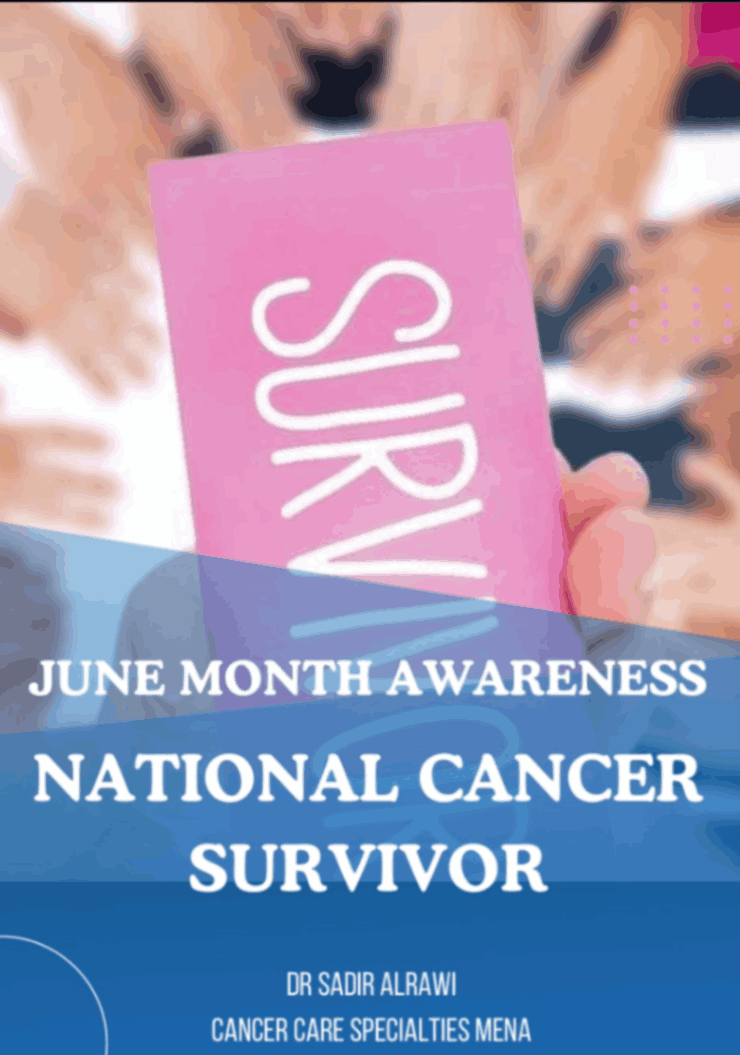
National Cancer Survivor Month
National Cancer Survivors Day is an annual celebration held on June to honor cancer survivors, raise awareness of the challenges they face, and promote efforts to improve their quality of life. It is a day to recognize the strength and courage of those who have been diagnosed with cancer, celebrate their journey, and support the ongoing efforts in cancer treatment and survivorship care. The day also provides an opportunity for survivors to connect with each other, share their experiences, and offer hope and support. #hipecdubai #parotiddubai #colorectalsurgerydubai #bestoncologyuae #bestbrestsurgerydubai #parathyroidsurgerydubai #thyroiddubai #bestsurgeondubai #oncoplasticbreastsurgerydubai #bestfistulasurgeonuae #bestrefluxsurgeryuae

Patient Appreciation
#hipecmiddleeast #parotidsurgeruyuae #endocrinesurgeryuae #bestcolorectalsurgerydubai #bestoncologyhospitaluae #bestbrestsurgeryabudhabi #bestliversurgeonmena #parathyroidsurgerydubai #thyroiddubai #bestsurgeondubai #oncoplasticbreastsurgerydubai #bestfistulasurgeonuae #bestliversurgeondubai #bestpancreatisurgeonuae #Bestrefucsurgerygdubai #bonesarcomauae
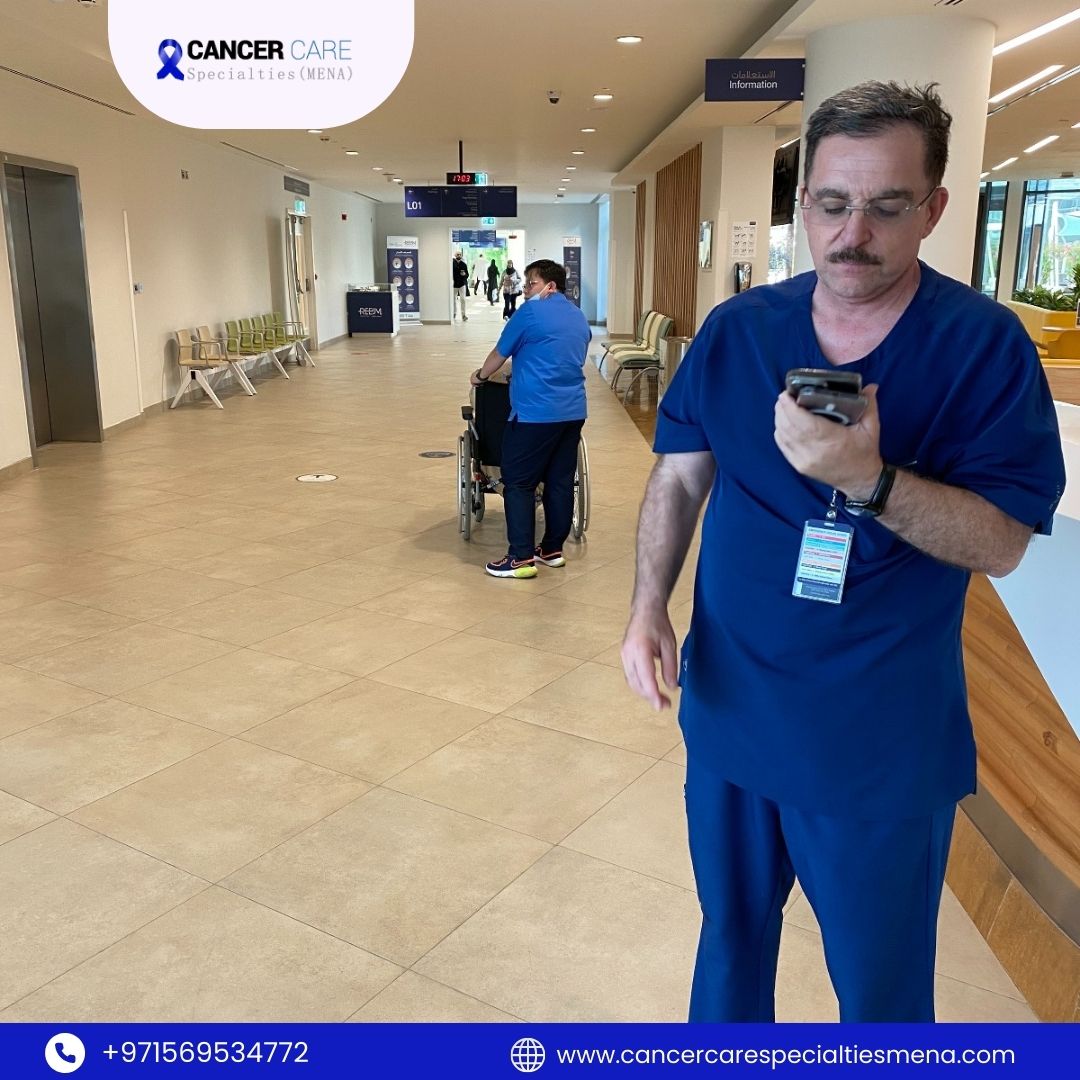
Reem Hospital Abudhabi
Unique tertiary Referral Center In AbuDhabi, Reem Hospital Or Visit us at ; 📍Neuro Spinal Hospital, Dubai 📍Faqeeh University Hospital , Dubai 📍Canadian Specialty Hospital , Dubai 📍 Thumbay University Hospital , Ajman 📍 Reem Hospital , AbuDhabi 📍 Andalusia Hospital , Baghdad 🇦🇪 UAE : +971501844867 #hipecmiddleeast #parotidsurgeruyuae #endocrinesurgeryuae #bestcolorectalsurgerydubai #bestoncologyhospitaluae #bestbrestsurgeryabudhabi #bestliversurgeonmena #parathyroidsurgerydubai #thyroiddubai #bestsurgeondubai #oncoplasticbreastsurgerydubai #bestfistulasurgeonuae #bestliversurgeondubai #bestpancreatisurgeonuae #Bestrefucsurgerygdubai #bonesarcomauae
Viruses Causing Cancer !
Several viruses are known to cause cancer by integrating their genetic material into host cells and disrupting normal cellular processes. Key viruses include: 1. Human Papillomavirus (HPV): • Causes cervical, anal, and oropharyngeal cancers. • HPV types 16 and 18 are the most carcinogenic. 2. Hepatitis B Virus (HBV): • Associated with liver cancer (hepatocellular carcinoma). 3. Hepatitis C Virus (HCV): • Also linked to liver cancer. 4. Epstein-Barr Virus (EBV): • Causes nasopharyngeal carcinoma and certain lymphomas, such as Burkitt lymphoma. 5. Human T-lymphotropic Virus type 1 (HTLV-1): • Linked to adult T-cell leukemia/lymphoma. 6. Kaposi’s Sarcoma-associated Herpesvirus (KSHV): • Causes Kaposi’s sarcoma, particularly in immunocompromised individuals, like those with HIV/AIDS. These viruses contribute to cancer development by altering cell cycle regulation, evading immune surveillance, and promoting genetic mutations. #hipecsurgerymena #parotidsurgerymiddleeast #bestcolorectalsurgerymena #bestoncologyhospitaluae #bestoncologycenteruae #bestbrestsurgeryuae #parathyroidsurgeryabudgabi #bestthyroiddubai #topsurgeondubai #oncoplasticbreastsurgeryuae #bestfistulasurgeonuae #bestliversurgeondubai #bestpancreatisurgeonuae #bestsanorectalsurgeonuae #bestsarcomasurgeonuae

No Tobacco Day MAY 31st
World No Tobacco Day is observed on May 31 each year to raise awareness about the dangers of tobacco use and advocate for effective policies to reduce tobacco consumption. Here are the key points: 1. Purpose: • Raise awareness of the harmful effects of tobacco on health. • Promote tobacco cessation and prevention. • Encourage governments to implement anti-tobacco policies. 2. Organized By: • The World Health Organization (WHO). 3. Themes: • Each year features a specific theme, such as “Tobacco and Lung Health” or “Commit to Quit,” to focus global efforts. 4. Activities: • Public awareness campaigns. • Educational events and community outreach. • Advocacy for policy changes, like higher taxes on tobacco products, advertising bans, and smoke-free environments. 5. Global Impact: • Highlights the health, economic, and environmental impacts of tobacco use. • Encourages actions to reduce tobacco consumption and support those trying to quit. World No Tobacco Day plays a crucial role in the global effort to combat the tobacco epidemic and its associated health risks. #hipecmiddleeast #parotidsurgeruyuae #endocrinesurgeryuae #bestcolorectalsurgerydubai #bestoncologyhospitaluae #bestbrestsurgeryabudhabi #bestliversurgeonmena #parathyroidsurgerydubai #thyroiddubai #bestsurgeondubai #oncoplasticbreastsurgerydubai #bestfistulasurgeonuae #bestliversurgeondubai #bestpancreatisurgeonuae #Bestrefucsurgerygdubai #bonesarcomauae
CAN MAMMOGRAM CAUSE CANCER !?
The risk of developing cancer from a mammogram is extremely low. Mammograms use low doses of X-rays to create images of the breast, and the amount of radiation exposure during a mammogram is minimal. Here’s a detailed look: 1. Radiation Exposure: Mammograms expose the breast tissue to a small amount of ionizing radiation, but this dose is very low. For context, the radiation dose from a mammogram is about the same as the amount of radiation a person receives from natural background sources over a few months. 2. Risk vs. Benefit: The potential risk of developing cancer from the radiation exposure of a mammogram is vastly outweighed by the benefits. Early detection of breast cancer through mammography can significantly improve treatment outcomes and survival rates. 3. Studies and Evidence: Extensive research has been conducted to assess the risks associated with mammograms. The consensus among health experts, including the American Cancer Society and the U.S. Preventive Services Task Force, is that the benefits of regular mammograms far exceed the potential risks. 4. Frequency and Age Considerations: Recommendations for mammogram frequency vary depending on age and individual risk factors. For most women, starting regular mammograms at age 40-50 and continuing them every 1-2 years is advised. Women at higher risk for breast cancer may need to begin screening earlier or have more frequent exams. 5. Technological Advances: Advances in mammography technology, such as digital mammography and 3D mammography (tomosynthesis), have further improved the accuracy and reduced the radiation dose. In summary, while any exposure to ionizing radiation carries a theoretical risk, the extremely low dose used in mammograms makes this risk negligible. The life-saving potential of early cancer detection provided by mammograms makes them a crucial tool in breast cancer prevention and treatment.

Health Symptoms Women Shouldn’t Ignore
Symptoms include; • Headache You Can’t Shake • Vision Trouble • Sudden Unexplained Fatigue • Shortness Of Breath • Unexplained Weight Loss or Gain #hipecsurgeryuae #parotidsurgerydubai #bestcolorectalsurgeryuae #bestoncologycenteruae #bestbrestsurgeryuae #parathyroiduae #parathyroidsurgeryabudhabi #thyroidsurgerydubai #femalebestsurgeondubai #oncoplasticbreastsurgeryuae #bestfistulasurgeonabudhabi #bestliversurgeondubai #bestpancreatisurgeonuae #liverresectionuae #refluxdiseaeuae #bestgastrosurgeonuae #bestsofttissuetumorresectionuae
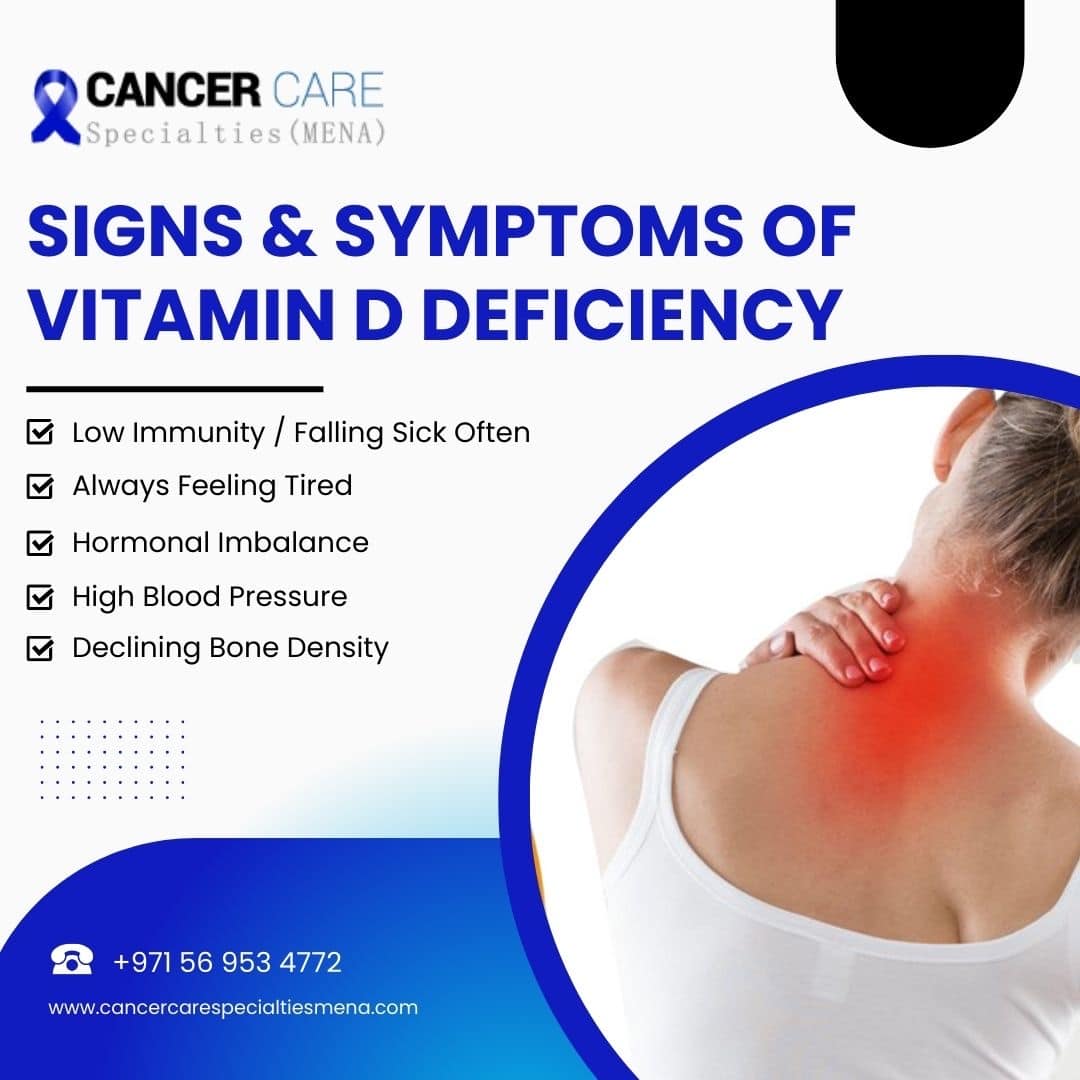
Symptoms of Vitamin D Deficiency
Vitamin D deficiency can manifest through a variety of symptoms, which may vary in severity. Here are some common signs and symptoms: Understanding the vitamin D deficiency symptoms is essential for maintaining overall health, as this nutrient plays a vital role in bone strength, immunity, and muscle function. Here are ten common symptoms of low vitamin D you should be aware of: Take Action if You Notice Symptoms If you’re experiencing any of the above vitamin D deficiency symptom, it’s vital to seek advice from a healthcare provider. A simple blood test can assess your levels, and your doctor can recommend solutions—whether supplements, dietary changes, or increased sun exposure. Please Visit for More at Cancer care Specialties Mena in UAE. Remember, does vitamin d deficiency cause fatigue? Yes, and so much more. Recognizing the symptom of low vitamin d, from fatigue to bone pain, could be the key to restoring your well-being and preventing long-term health issues, including vitamin d deficiency cancer symptom.
FIGHTING CANCER TOGETHER
Fighting cancer involves a multifaceted approach: 1. Prevention: • Healthy lifestyle: balanced diet, regular exercise, avoiding tobacco, and limiting alcohol. • Vaccinations: HPV and hepatitis B vaccines. • Avoiding carcinogens: reducing exposure to harmful chemicals and UV radiation. 2. Early Detection: • Regular screenings: mammograms, colonoscopies, Pap smears, and PSA tests. • Self-exams and genetic testing for those with a family history of cancer. 3. Treatment: • Surgery: Removing tumors. • Radiation Therapy: Targeting cancer cells with high-energy rays. • Chemotherapy: Using drugs to kill or inhibit cancer cells. • Targeted Therapy: Attacking specific cancer cell mechanisms. • Immunotherapy: Boosting the immune system to fight cancer. • Hormone Therapy: Blocking hormones that fuel certain cancers. • Stem Cell Transplant: Replacing damaged bone marrow. 4. Supportive Care: • Pain management, nutritional support, and psychological counseling. 5. Research and Advances: • Precision medicine, new imaging techniques, and ongoing clinical trials. Integrating these strategies can improve outcomes and enhance the quality of life for those affected by cancer. #hipecmiddleeast #parotidsurgeruyuae #endocrinesurgeryuae #bestcolorectalsurgerydubai #bestoncologyhospitaluae #bestbrestsurgeryabudhabi #bestliversurgeonmena #parathyroidsurgerydubai #thyroiddubai #bestsurgeondubai #oncoplasticbreastsurgerydubai #bestfistulasurgeonuae #bestliversurgeondubai #bestpancreatisurgeonuae #Bestrefucsurgerygdubai #bonesarcomauae
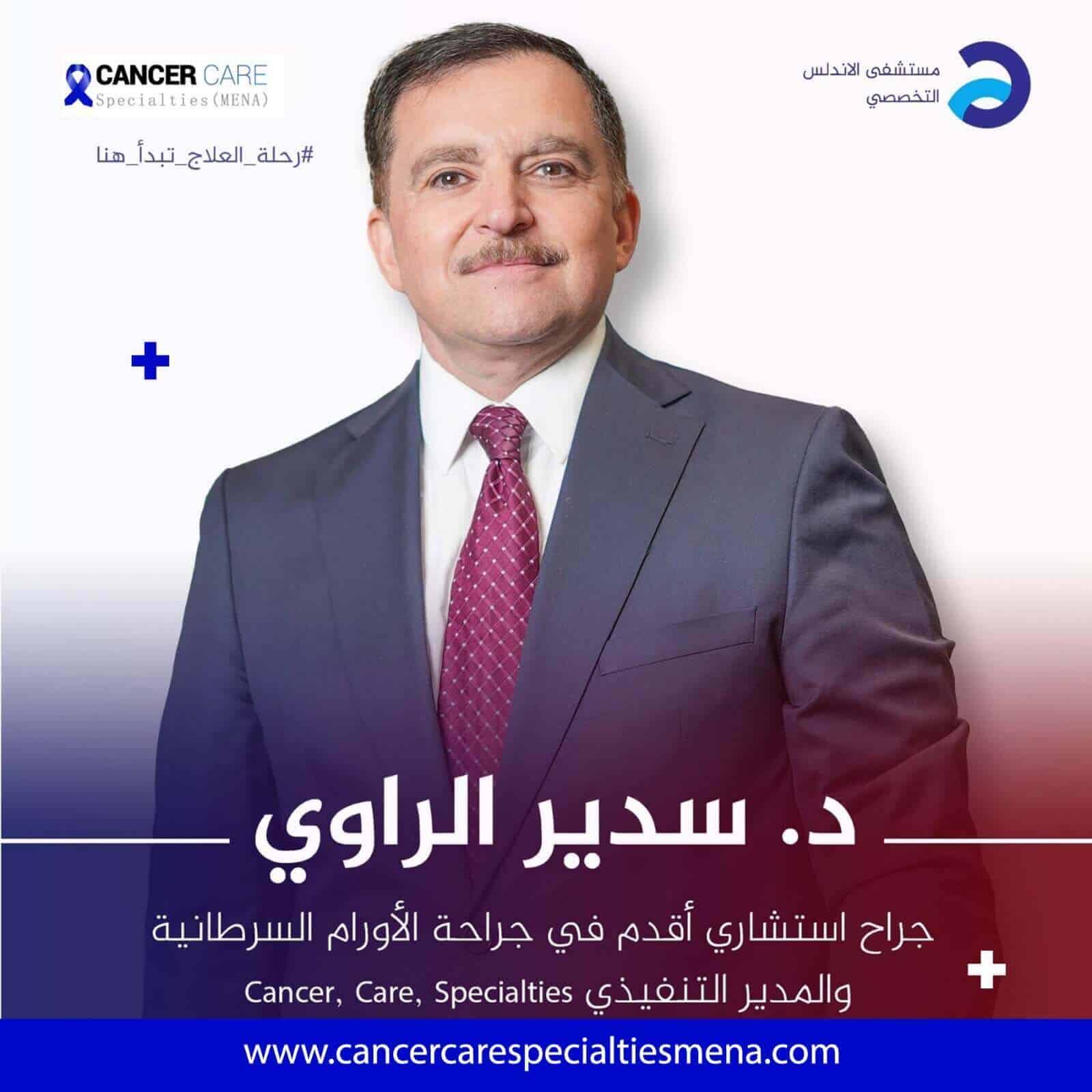
Al-ANDALUS ONCOLOGY CENTRE
Cancer Care Specialties Middle East satellite Baghdad,Iraq. #BestParathyroidCenterbaghdad #BestLapsurgeryBaghdad #BestOncologyCenterBaghdad #RefluxStomachSurgeryBaghdad #Best Cancer Center Baghdad #Best Colorectal Center in Baghdad #Hiatus Hernia Surgery Baghdad #Hemorrhoids Surgery Baghdad #Anal Fistula Surgery Baghdad #Colon Cancer in Baghdad #Best Stomach Surgeon Baghdad best minimally invasive #surgery Baghdad #Best Cancer Surgeon Baghdad #Colon cancer surgery Baghdad #Thyroid surgery center Baghdad
Latest News
-

-

-

-

Prostate Cancer Survivor Stories That Inspire Hope
09 Jul, 2026 -

Seminar & Events
-

Baghdad clinic
30 Sep, 2024 -

Saudi German Hospital
26 Sep, 2024 -
Oncology Program
16 Sep, 2024 -

Oncology marketing
06 Sep, 2024 -
CAR-T THERAPY
14 Aug, 2024