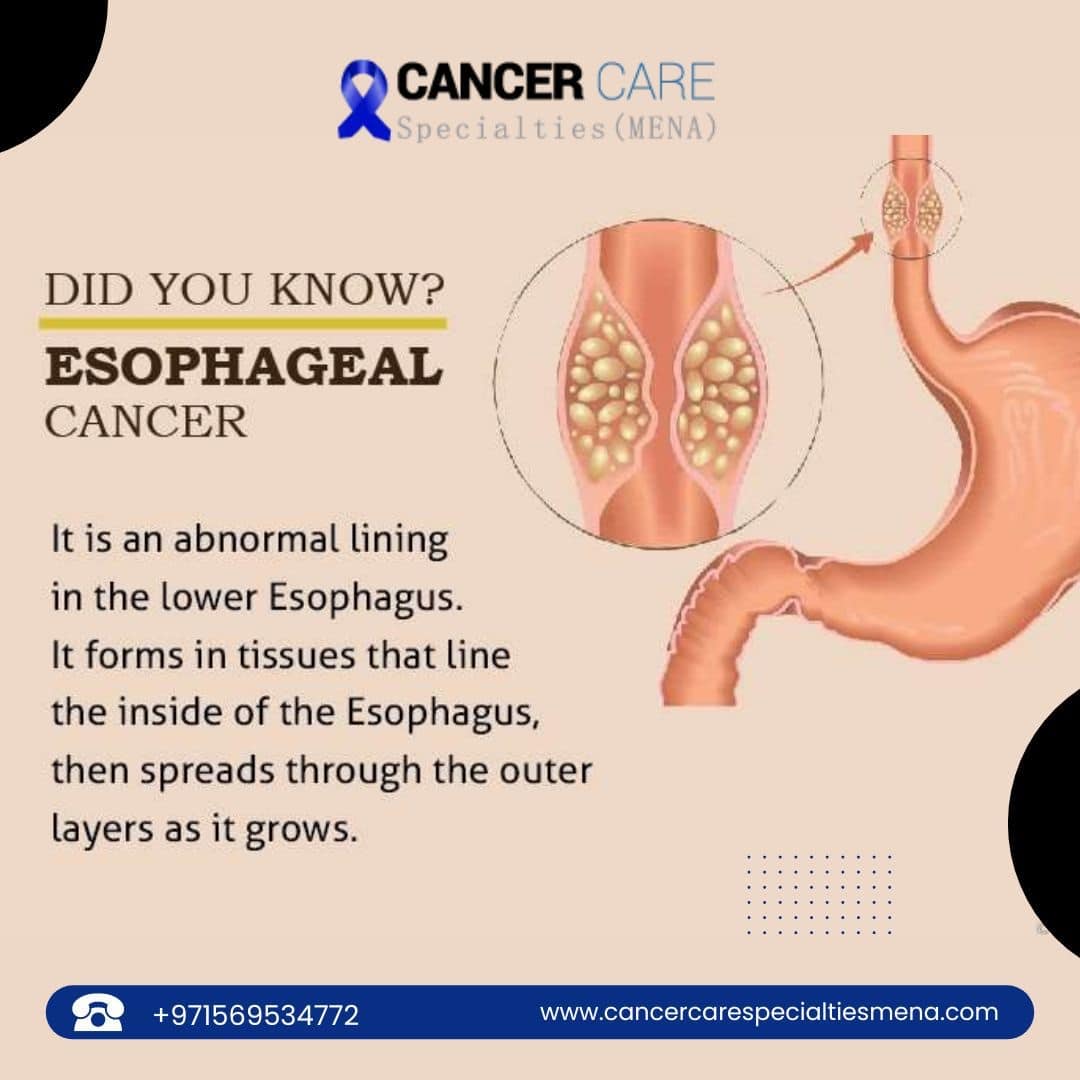
Esophageal cancer is a type of cancer that develops in the esophagus, the muscular tube that connects the throat to the stomach. There are two main types of esophageal cancer: squamous cell carcinoma and adenocarcinoma. 1. Squamous Cell Carcinoma: This type of esophageal cancer typically starts in the cells lining the esophagus. It is often associated with factors such as smoking, heavy alcohol consumption, and a history of acid reflux or gastroesophageal reflux disease (GERD). 2. Adenocarcinoma: Adenocarcinoma of the esophagus usually develops in the glandular cells in the lower part of the esophagus. It is often linked to risk factors such as obesity, gastroesophageal reflux disease (GERD), Barrett’s esophagus (a condition where the cells lining the lower esophagus change), and smoking. Symptoms of esophageal cancer may include: • Difficulty swallowing (dysphagia) • Unintentional weight loss • Chest pain or discomfort, especially when swallowing • Indigestion or heartburn that doesn’t go away • Persistent cough or hoarseness • Frequent vomiting • Regurgitation of food or blood • Fatigue Treatment for esophageal cancer depends on various factors, including the stage of the cancer, the location of the tumor, the overall health of the patient, and their preferences. Treatment options may include surgery, chemotherapy, radiation therapy, targeted therapy, immunotherapy, or a combination of these approaches. Early detection and treatment can improve outcomes for individuals with esophageal cancer. Screening tests such as endoscopy or imaging studies may be recommended for individuals at higher risk or experiencing symptoms suggestive of esophageal cancer. It’s essential to consult with a healthcare provider for proper evaluation and management if you have concerns about esophageal cancer or are experiencing symptoms. #esophagealcanceruae #oncologysurgeandubai #cancercareuae
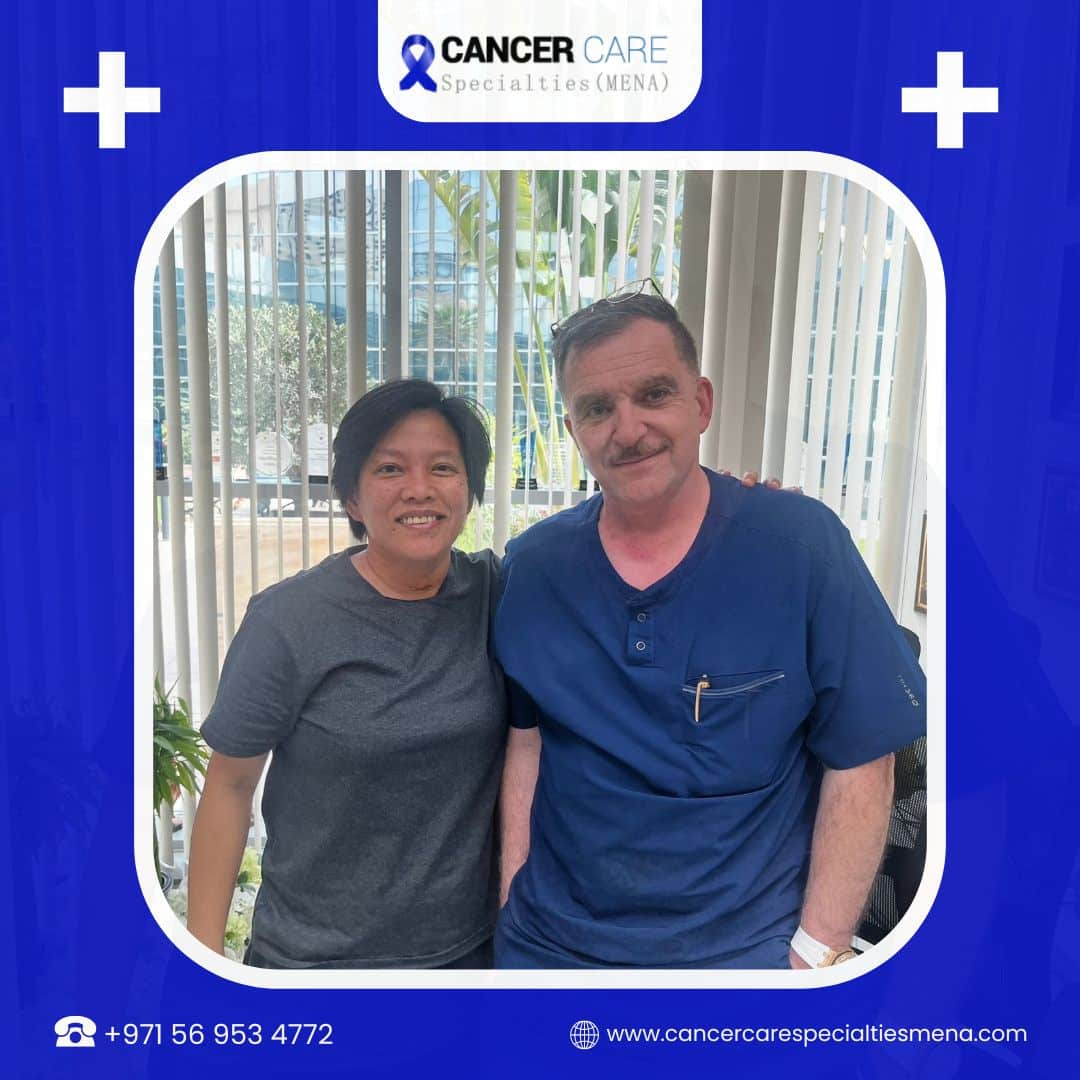
Smiling faces after successful treatment, a grin of gratitude for compassionate care, or an expression of joy when receiving good news about their health, happy faces reflect the trust, comfort, and satisfaction that patients felt in their healthcare journey. Dr sadir alrawi and team #bestoncologysurgeon #thyroidparathyroidsurgery #bestoncologycentreuae
Sarcoma is a type of cancer that develops in the soft tissues or bones of the body. It can occur anywhere in the body but commonly affects the arms, legs, chest, or abdomen. Sarcomas are relatively rare compared to other types of cancer. There are two main types of sarcoma: 1. Soft Tissue Sarcoma: Soft tissue sarcomas develop in the soft tissues of the body, such as muscles, tendons, fat, blood vessels, nerves, and synovial tissues (the tissues around joints). 2. Bone Sarcoma: Bone sarcomas, also known as primary bone cancers, develop in the bones of the body. The most common types of bone sarcomas are osteosarcoma and chondrosarcoma. Symptoms of sarcoma may vary depending on the location and size of the tumor but can include: • A lump or swelling that may or may not be painful • Pain or tenderness, especially if the tumor presses on nerves or muscles • Limited range of motion in nearby joints • Unexplained weight loss • Fatigue The exact cause of sarcoma is often unknown, but certain risk factors may increase the likelihood of developing the disease, such as genetic predisposition, exposure to radiation, certain inherited syndromes, and previous treatment with certain chemotherapy drugs. Treatment for sarcoma typically involves a combination of surgery, radiation therapy, and chemotherapy. The specific treatment plan depends on factors such as the type, size, and location of the tumor, as well as the patient’s overall health and preferences. Early detection and prompt treatment are important for improving outcomes in sarcoma patients. Regular check-ups and imaging tests may be recommended for individuals with a higher risk of developing sarcoma or those with symptoms suggestive of the disease. #sarcomauae #bestsurgeonuae #bestoncologycentreuae
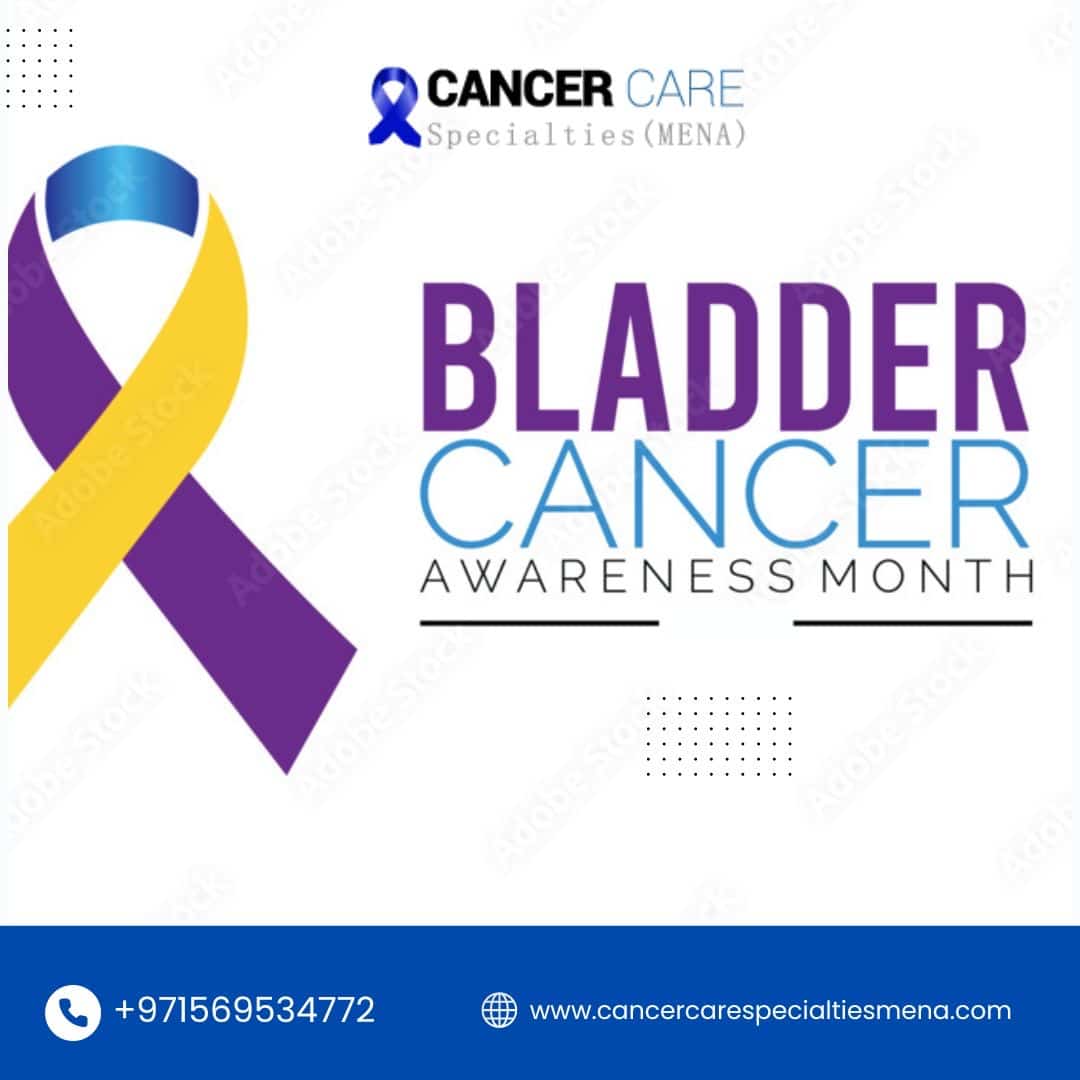
Month of May is the awareness month of bladder cancer and brain cancer as well Cancer awareness program by Dr Sadir Alrawi and team #bestsurgeonuae #bladdercanceruae #gastricballoondubai
Hipec and Pipac are both treatments used in oncology, but they are quite different in terms of application and purpose. 1. HIPEC (Hyperthermic Intraperitoneal Chemotherapy): HIPEC is a procedure used to treat advanced abdominal cancers, particularly those that have spread within the abdomen. During HIPEC, heated chemotherapy drugs are circulated throughout the abdomen after the visible tumors have been removed through surgery. The goal is to kill any remaining cancer cells and prevent recurrence. 2. PIPAC (Pressurized Intraperitoneal Aerosol Chemotherapy): PIPAC is a newer technique that involves delivering chemotherapy drugs directly into the abdominal cavity in the form of an aerosol under pressure. This is done through laparoscopic surgery. PIPAC is typically used for peritoneal metastases, which are cancerous spread to the lining of the abdominal cavity. In summary, HIPEC is used after surgical removal of visible tumors to kill remaining cancer cells, while PIPAC is a minimally invasive technique for delivering chemotherapy directly into the abdominal cavity for peritoneal metastases. Each has its own indications and considerations based on the patient’s condition and the type of cancer being treated. #hipecdubai #pipacdubai #bestoncologysurgeonuae
Virtual consultation with dr sadir alrawi and team #oncologysurgeon #bestoncologistdubai #bestoncologycenteruae
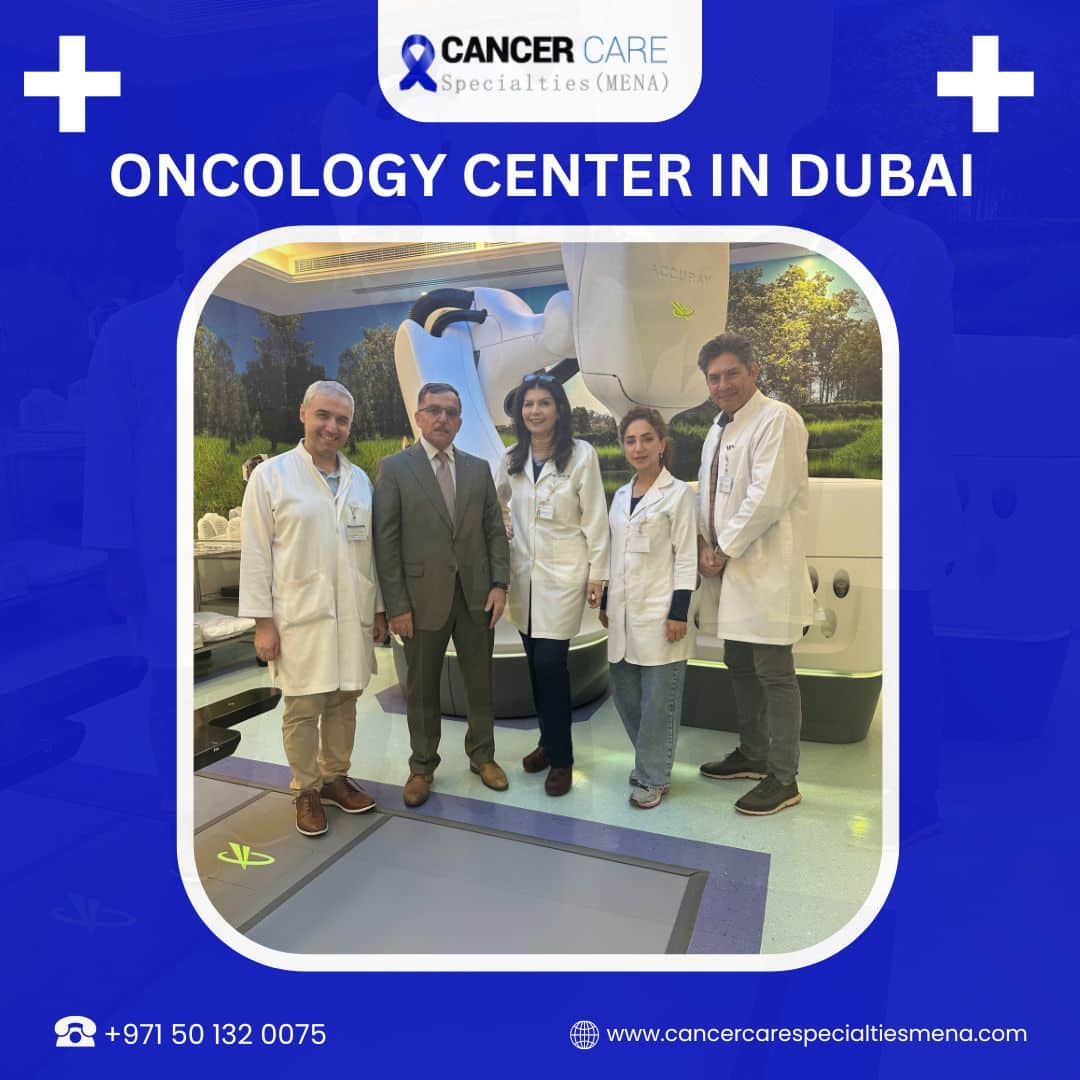
Best oncology center in Dubai, having CyberKnife as a key for localized Radiation, in certain type of cancers By Cancer care specialties Sadir Alrawi and his team #hipecdubai #parotiddubai #colorectalsurgerydubai #bestoncologyuae #bestbrestsurgerydubai #parathyroidsurgerydubai
A biopsy is a medical procedure in which a small sample of tissue is taken from the body for examination under a microscope. It’s commonly used to diagnose diseases such as cancer, infections, or inflammatory conditions. Biopsies can be done using various methods, including needle biopsies, surgical biopsies, or endoscopic biopsies, depending on the location and type of tissue being sampled. These are some of the most common types of biopsies, each tailored to the specific needs of diagnosing and treating different medical conditions. #bestoncologysurgeondubai #bestoncologycenteruae #topsurgeondubai
Raising awareness about the vital role of the Liver Primary liver cancer is a disease in which malignant (cancer) cells form in the tissues of the liver. Cancer that forms in other parts of the body and spreads to the liver is not primary liver cancer. The liver is one of the largest organs in the body. It has two lobes and fills the upper right side of the abdomen inside the rib cage. The main functions of the liver include the following: to make bile to help digest fat that comes from food to store glycogen (sugar), which the body uses for energy to filter harmful substances from the blood so they can be passed from the body in stools and urine Signs and symptoms of liver cancer These and other signs and symptoms may be caused by adult primary liver cancer or by other conditions. Check with your doctor if you have any of the following: a hard lump on the right side just below the rib cage discomfort in the upper abdomen on the right side a swollen abdomen pain near the right shoulder blade or in the back jaundice (yellowing of the skin and whites of the eyes) easy bruising or bleeding unusual tiredness or weakness nausea and vomiting loss of appetite or feelings of fullness after eating a small meal weight loss for no known reason pale, chalky bowel movements and dark urine fever
Once cancer is diagnosed, the patient may require medical treatment and specialized care for months, and often years. The principal modes of therapy – surgery, radiotherapy and chemotherapy – may be given alone or in combination. Strong emphasis is now placed on the development of specialized cancer centres in which evidence-based multimodality therapy is applied, subject to evaluation by appropriately designed trials. After successful treatment, specific rehabilitation may be needed. When cancer treatment is not curative, maintaining the highest possible quality of life is paramount. For many patients, supportive and palliative care are essential and this often involves a range of professional services that extends beyond the discipline of oncology.