
Blog
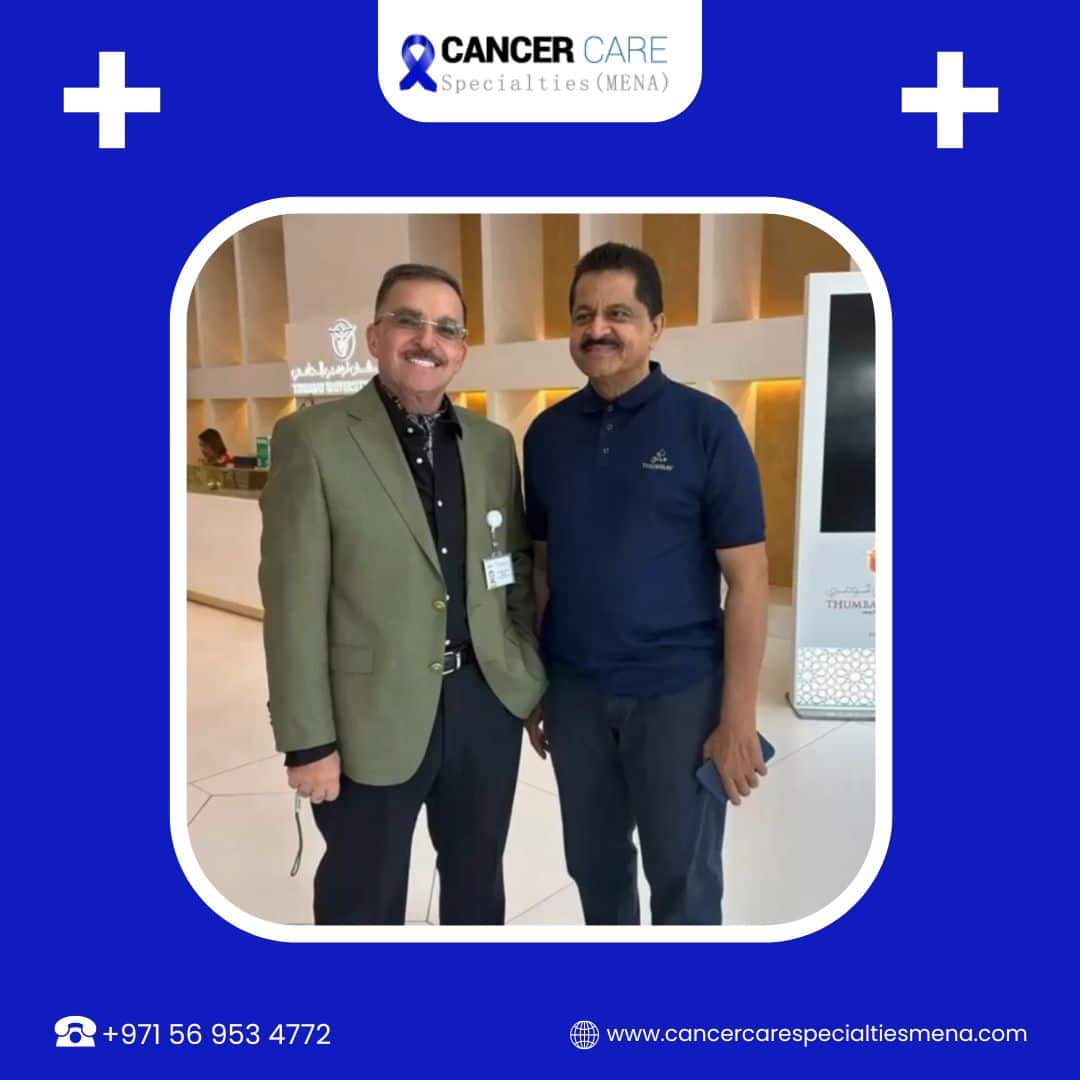
Thumbay University Hospital
Thumbay Moideen and Dr Sadir Alrawi #hipecmiddleeast #parotidsurgeruyuae #endocrinesurgeryuae
BLADDER CANCER AWARENESS
Bladder cancer awareness is crucial for early detection and treatment. Knowing the risk factors, symptoms, and regular check-ups can help in early diagnosis and better outcomes. If you need more information or resources on bladder cancer awareness, feel free to ask! Dr Sadir Alrawi and Team #bestoncologyhospitaluae #bestoncologycenteruae #bestbrestsurgeryuae
Head And Neck Cancer
Head and neck cancer refers to a group of cancers that occur in the head and neck region, including the oral cavity, throat (pharynx), voice box (larynx), sinuses, and nose. These cancers can develop in various tissues, including the mucosal surfaces lining these areas, the salivary glands, and the lymph nodes of the neck. Some key points about head and neck cancer include: 1. Risk Factors: Tobacco use (smoking or chewing), alcohol consumption, human papillomavirus (HPV) infection, poor oral hygiene, and exposure to certain chemicals or radiation are common risk factors. 2. Symptoms: Symptoms can vary depending on the location of the cancer but may include persistent sore throat, difficulty swallowing, a lump or sore that doesn’t heal, changes in voice, persistent ear pain, and unexplained weight loss. 3. Diagnosis: Diagnosis often involves a combination of physical examination, imaging tests (such as CT scans, MRI scans, or PET scans), and tissue biopsy to confirm the presence of cancer and determine its type and stage. 4. Treatment: Treatment for head and neck cancer depends on factors such as the location, stage, and extent of the disease. Options may include surgery, radiation therapy, chemotherapy, targeted therapy, and immunotherapy. Treatment plans are often multidisciplinary, involving a team of specialists. 5. Prognosis: Prognosis can vary widely depending on factors such as the stage of cancer at diagnosis, the type of cancer, overall health, and response to treatment. Early detection and prompt treatment can improve outcomes. 6. Supportive Care: Managing symptoms and side effects of treatment is an essential part of care for head and neck cancer patients. This may include nutritional support, pain management, speech therapy, and psychosocial support. 7. Prevention: Quitting smoking, limiting alcohol consumption, practicing good oral hygiene, and receiving the HPV vaccine can reduce the risk of developing head and neck cancer. As with any cancer, early detection, timely treatment, and ongoing support are crucial for optimizing outcomes and quality of life for individuals diagnosed with head and neck cancer. #cancercaremiddleeast #bestcancercentreuae #headandnecksurgeonuae
MELANOMA
Melanoma is a type of skin cancer that develops from melanocytes, the cells that produce melanin, the pigment responsible for skin color. It can occur anywhere on the body, including areas not exposed to the sun. Melanoma is often caused by exposure to ultraviolet (UV) radiation from sunlight or tanning beds, as well as genetic factors. Warning signs of melanoma include changes in the size, shape, or color of a mole or spot on the skin, as well as the appearance of a new mole or spot. The ABCDE rule can help identify potential signs of melanoma: Asymmetry, Border irregularity, Color variation, Diameter larger than a pencil eraser, and Evolving changes in size, shape, or color. Early detection is crucial for successful treatment of melanoma. Treatment options may include surgical removal of the melanoma, lymph node biopsy, chemotherapy, radiation therapy, targeted therapy, and immunotherapy. Regular skin checks, sun protection measures, and avoiding tanning beds can help prevent melanoma. It’s important to promptly report any changes in moles or new skin growths to a healthcare provider for evaluation. #melanomadubai #cancercentredubai #bestsurgeonuae
CYBER KNIFE TREATMENT IN DUBAI
CyberKnife is a type of radiation therapy used to treat tumors, including brain tumors, spinal tumors, prostate cancer, lung cancer, liver cancer, and other conditions. Unlike traditional radiation therapy, CyberKnife delivers highly targeted radiation beams from multiple angles, using advanced imaging and robotic technology to precisely track and adjust for the tumor’s movement in real-time, even during breathing or slight patient movement. This approach allows for higher doses of radiation to be delivered to the tumor while minimizing damage to surrounding healthy tissue. CyberKnife treatment typically involves a few sessions, often completed within a week, and is considered an outpatient procedure, meaning patients can return home shortly after each session. CyberKnife is known for its accuracy, effectiveness, and reduced side effects compared to traditional radiation therapy. It can be used as a primary treatment or in combination with other therapies, depending on the specific type and location of the tumor and the patient’s overall health. As with any medical treatment, the suitability of CyberKnife therapy is determined on a case-by-case basis by a multidisciplinary team of healthcare professionals. #cyberknifeuae #cancercentredubai #radiationoncologydubai
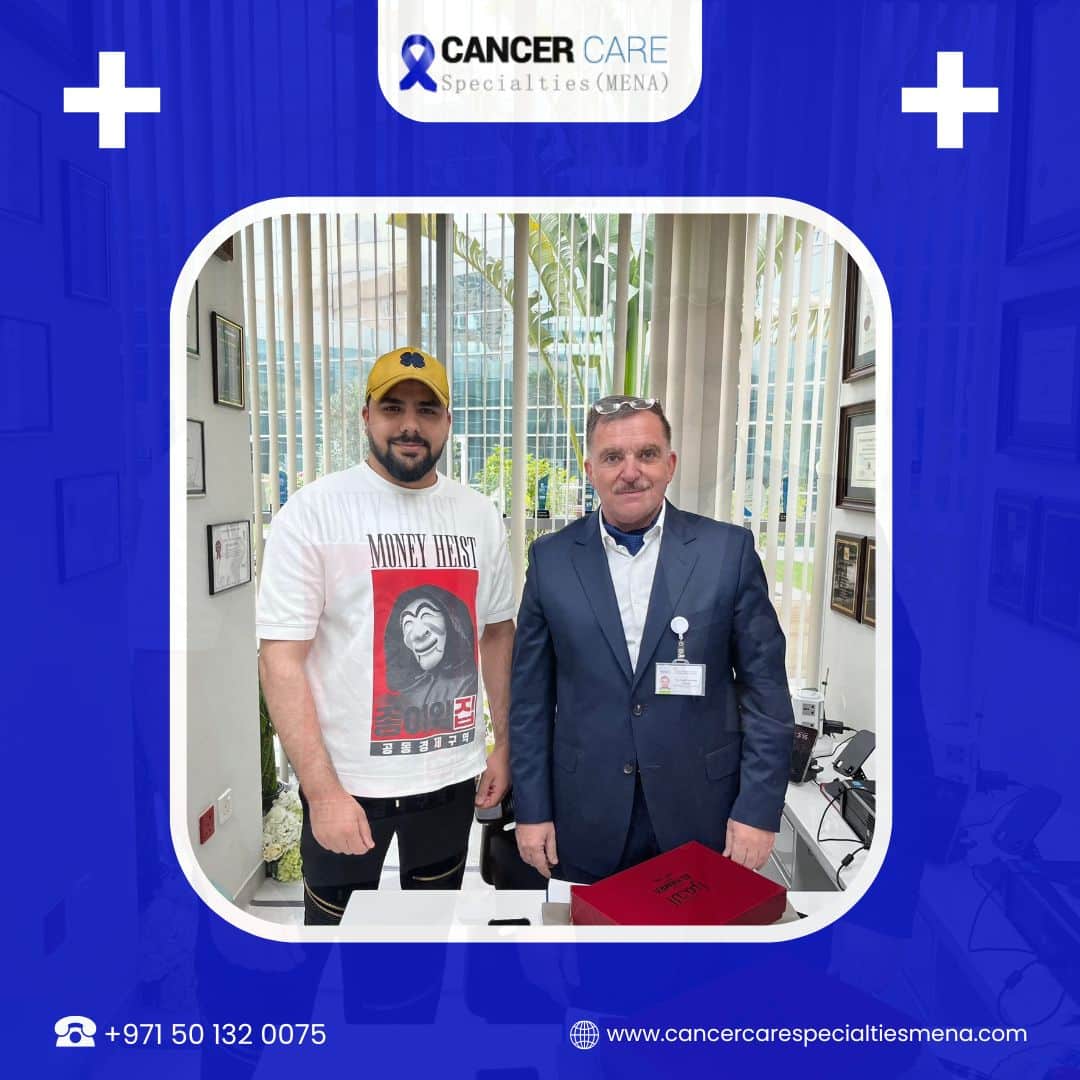
Patient Appreciation
#cancercentredubai #bestthyroidsurgeonuae #thyroidparatgyroidsurgerymiddleeast
Head and Neck Cancer
Head and neck cancer refers to a group of cancers that develop in the tissues of the head and neck region. This includes cancers of the oral cavity, throat (pharynx), voice box (larynx), nasal cavity, sinuses, salivary glands, and thyroid gland. Here are some key points about head and neck cancer: 1. Risk Factors: Risk factors for head and neck cancer include tobacco use (cigarettes, cigars, pipes), heavy alcohol consumption, human papillomavirus (HPV) infection, prolonged exposure to sunlight (for lip cancer), poor oral hygiene, a diet low in fruits and vegetables, and certain occupational exposures (such as to asbestos or wood dust). 2. Symptoms: Symptoms of head and neck cancer vary depending on the location and stage of the cancer but may include a persistent sore throat, difficulty swallowing, a lump or sore that does not heal, changes in voice or hoarseness, persistent ear pain, a lump in the neck, difficulty breathing or speaking, and unexplained weight loss. 3. Diagnosis: Diagnosis of head and neck cancer typically involves a combination of imaging tests (such as CT scans, MRI, PET scans), endoscopic examinations (using a flexible scope to visualize the inside of the throat or nasal passages), and biopsy (removal of a tissue sample for examination under a microscope). 4. Treatment: Treatment for head and neck cancer depends on factors such as the type, location, stage, and extent of the cancer, as well as the patient’s overall health and preferences. Treatment options may include surgery, radiation therapy, chemotherapy, targeted therapy, immunotherapy, or a combination of these modalities. 5. Prognosis: Prognosis for head and neck cancer varies depending on factors such as the stage of the cancer, the presence of certain genetic mutations (such as HPV status), and the effectiveness of treatment. Early detection and prompt treatment can improve outcomes and increase the likelihood of successful treatment. 6. Supportive Care: Patients with head and neck cancer may experience physical, emotional, and psychosocial challenges related to their diagnosis and treatment. Supportive care services, such as nutritional counseling, speech therapy, dental care, and support groups, can help address these needs and improve quality of life during and after treatment. 7. Prevention: Adopting a healthy lifestyle, including avoiding tobacco and excessive alcohol consumption, practicing safe sex to reduce the risk of HPV infection, maintaining good oral hygiene, and protecting the skin from prolonged sun exposure, can help reduce the risk of developing head and neck cancer. Overall, early detection, timely treatment, and comprehensive supportive care are key components of managing head and neck cancer and improving outcomes for affected individuals. #thyroiddubai #headabdneckcanceruae #bestsurgeonuae
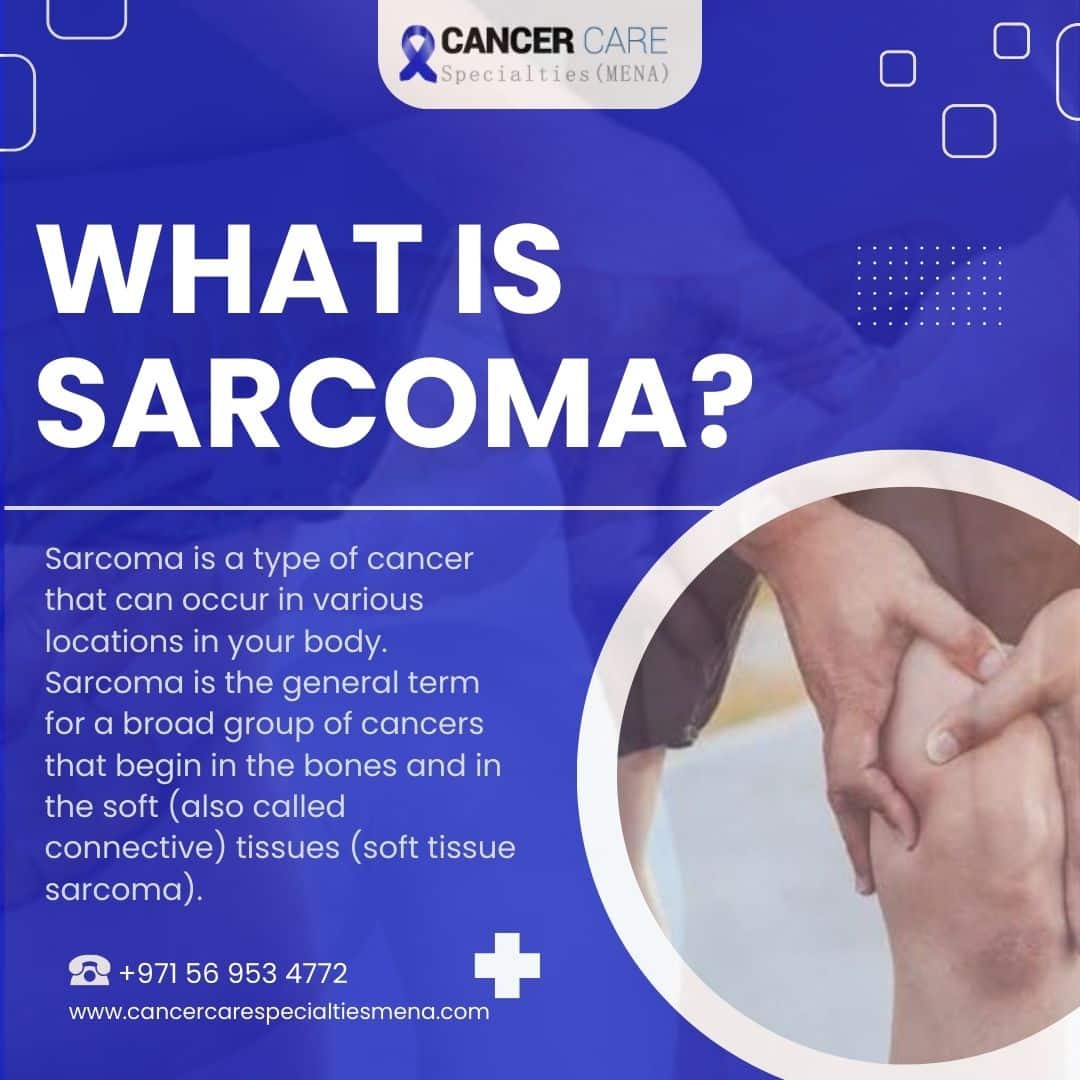
SARCOMA
Sarcoma is a type of cancer that develops in the connective tissues of the body, such as bones, muscles, tendons, cartilage, nerves, and blood vessels. There are various subtypes of sarcoma, and treatment options depend on factors like the type, location, and stage of the cancer, as well as the patient’s overall health. Treatment for sarcoma typically involves a combination of therapies such as surgery, chemotherapy, radiation therapy, and targeted therapy. The specific approach may vary, but the goals usually include removing as much of the tumor as possible, killing any remaining cancer cells, and preventing the cancer from recurring. Surgery is often the primary treatment for sarcoma, especially if the tumor is localized and hasn’t spread to other parts of the body. In some cases, chemotherapy and/or radiation therapy may be used before or after surgery to shrink the tumor, kill any remaining cancer cells, or reduce the risk of recurrence. Targeted therapy, which uses drugs to target specific molecules involved in cancer growth, may also be used in certain cases, especially for advanced or recurrent sarcomas. Treatment plans are typically tailored to each individual’s specific situation, and patients may work closely with a multidisciplinary team of healthcare professionals, including surgeons, medical oncologists, radiation oncologists, and other specialists, to determine the most appropriate approach. Clinical trials may also be an option for some patients, offering access to new therapies or treatment combinations that are still being investigated. #sarcomauae #bestoncologyaurgeonuae #cancercentreuae
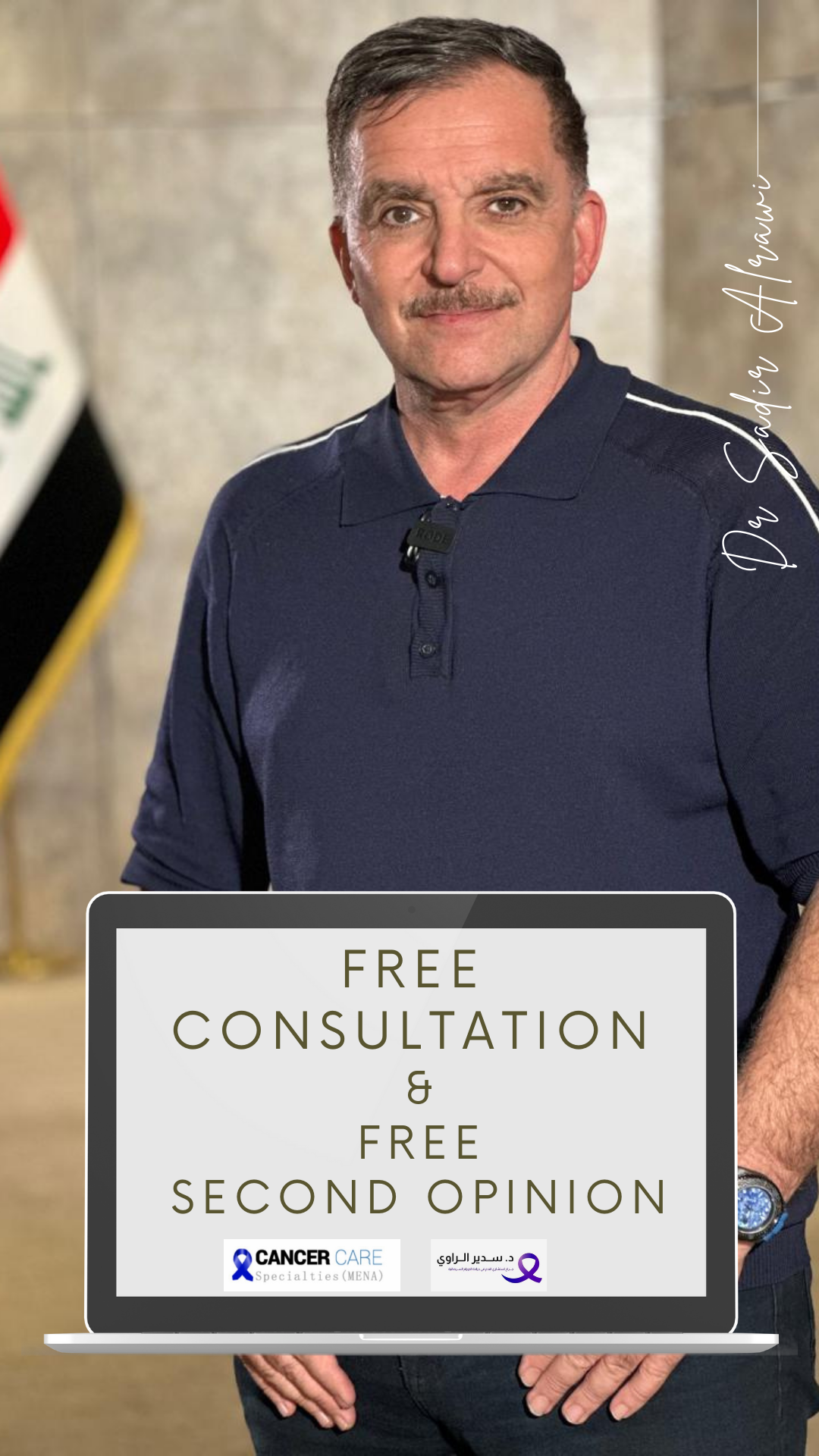
Free Consultation & Free Second Opinion
Dr. Sadir Alrawi offers complimentary consultations and second opinions, ensuring patients receive expert guidance and peace of mind. #thyroiddubai #bestoncologistuae #bestcancercentreuae

HBOT THERAPY
Hyperbaric oxygen therapy (HBOT) is a medical treatment that involves breathing pure oxygen in a pressurized chamber or room. The increased pressure allows your lungs to gather more oxygen than they would at normal air pressure, which helps deliver more oxygen to your bloodstream, tissues, and organs. HBOT is used to treat various medical conditions, including: 1. Decompression sickness: A condition that occurs when divers ascend too quickly, causing nitrogen bubbles to form in the bloodstream and tissues. 2. Carbon monoxide poisoning: HBOT helps remove carbon monoxide from the bloodstream faster than breathing normal oxygen. 3. Non-healing wounds: HBOT can promote wound healing by increasing oxygen delivery to damaged tissues. 4. Radiation injuries: HBOT may be used to treat radiation injuries, such as those resulting from cancer treatment. 5. Gas gangrene: A severe bacterial infection that produces gas within tissues, which can be treated with HBOT to kill bacteria and promote healing. 6. Crush injuries: HBOT may be used to reduce swelling and promote tissue repair in crush injuries. 7. Infections: Some infections, such as certain types of anaerobic bacterial infections, may respond to HBOT. HBOT is typically administered in a specialized chamber under the supervision of trained medical personnel. Treatment sessions may last anywhere from 30 minutes to 2 hours, and the number of sessions required varies depending on the condition being treated and the individual’s response to treatment. While HBOT can be beneficial for certain medical conditions, it also carries some risks, including temporary changes in vision, middle ear injuries, and oxygen toxicity. Therefore, HBOT should only be administered under the guidance of qualified healthcare professionals who can assess the risks and benefits for each individual patient. #bestprostatesurgeonuae #topprostatehospitaluae #bladdercanceruae
Latest News
-

-

-

-

Prostate Cancer Survivor Stories That Inspire Hope
09 Jul, 2026 -

Seminar & Events
-

Baghdad clinic
30 Sep, 2024 -

Saudi German Hospital
26 Sep, 2024 -
Oncology Program
16 Sep, 2024 -

Oncology marketing
06 Sep, 2024 -
CAR-T THERAPY
14 Aug, 2024