Cancer Care Center UAE

Blog

05 Feb
0

Pediatric Oncology – Types of Childhood Cancers

The field of pediatric oncology deals with the diagnosis and treatment of cancers in children and young adults. The type of cancer that a child may suffer is different from the cancers that adults suffer from. The doctors in pediatric oncology in Dubai-based Cancer Care Specialities MENA Department at Al Zahra Hospital have decades of experience in treating infants, children, and young adults who have cancer.   As a result of DNA changes in cells that occur during the early years of life may lead to childhood cancers. The types of childhood cancers are:     BRAIN & SPINAL CORD TUMOR – In this type of cancer, abnormal cells start developing in the tissues of the brain and the spinal cord. The majority of the brain tumors diagnosed during childhood are removed through surgery. These types of tumors contribute to almost one-fourth of childhood cancers.   LEUKEMIA – In this type of cancer, the body’s blood forming tissues gets adversely affected. It is not limited to tissue but it also affects bone marrow and lymphatic system. Leukemia accounts for almost one-third of all cancers in children.   LYMPHOMA – Two main types of blood cancers together known as lymphoma that develops in the lymphatic system are – Hodgkin’s lymphoma and non-Hodgkin’s lymphoma. Both of these types of lymphoma cancers develop in children making up a combined 8 percent of childhood cancers.   NEUROBLASTOMA – This rare type of cancer hardly affects children. It develops from the nerve cells in the fetus known as neuroblasts. This type of tumor generally develops in the adrenal gland and can sometimes be inherited too.   Childhood cancers and adult cancers differ in so many ways, so the treatment given to the children to treat cancer is also unique. Moreover, children bodies tend to handle chemotherapy more effectively than their adult’s counterpart. It might be possible that young children might suffer some effect of radiation therapy.   TREATMENTS OVERVIEW   Surgery – It is the procedure of removal of tumor either cancerous or non-cancerous along with some surrounding healthy tissue.   Chemotherapy – In this procedure, drugs are used to destroy cells usually ending their ability to grow and divide.   Radiation therapy – In this type of therapy procedure, high-energy x-rays or other particles such as photons are used to destroy cancer cells.   Immunotherapy – Also known as biologic therapy, it is designed to increase the body’s natural defenses to fight against cancer.   Bone marrow transplantation – The bone marrow that contains cancer is replaced by highly specialized hematopoietic stem cells thereby developing into healthy bone marrow.   Quality care treatment for children suffering from cancer   At Cancer Care Specialties MENA, the dedicated team of pediatric oncology doctors, nurses and staff believe in providing the most amazing care experience to all children together with their families in Dubai. Our team ensures that the children receive the best treatment from the doctors who are experts in the field of pediatric oncology.

Tags: , ,
What Foods You Should Eat After Hipec Surgery.
21 Jan
0

What Foods You Should Eat After HIPEC Surgery?

If you have undergone any major gastrointestinal surgery or HIPEC surgery, you need to make sure that you intake sufficient nutrients once your bowels are functioning again properly. But you have to be careful about what you are eating, especially in the earlier weeks and make sure that the foods do not have any adverse impact.   The Department of Cancer Care Specialities MENA at Al Zahra Hospital UAE has highly experienced nutritionists who prescribe the foods that rich in proteins and other essential vitamins and minerals to their patients. These foods enhance the healing process and make the patient lead the normal life once again.   Below are enlisted some things to consider about what to eat and what not to eat after HIPEC surgery.   Bread, cereals, and grams   You can easily eat:   White bread, plain white rolls, and white bread toast Plain pasta, noodles, white rice, melba, and zwieback Cereals without added whole grains, fiber, seeds, and raisins Use white flour and do not use cracked wheat   Vegetables   You can easily eat well-cooked fresh vegetables. Avoid canned vegetables as they have added preservatives. Vegetables are not only the powerhouse of calories you need but they also contain fiber which makes you feel fuller and cause you to eat less.   Meat, fish, poultry, and protein   Keep in mind that all meat, fish and poultry should be tender and does not have any gristle. You can eat fish and other ground meats. Avoid eating beef and white meat chicken. Eggs, sausage, shellfish, tofu, dark meat chicken, and bacon should be eaten with caution.   Dairy, milk, and cheese   When it comes to dairy products, be a bit slow. Start with small or medium amounts and that too processed ones. Dairy products can cause the problem of gas and acid reflux. Start with cheese and yogurt and then slowly make a shift towards puddings and cream based casseroles. Milk is a great source of calories, carbohydrates, protein, and fat. It keeps you healthy both physically and mentally and boost up the healing process.   Fruit, sugar, juice, and desserts   Fruits, sugar, juice, and desserts should form a part of your diet after HIPEC surgery simply because they contain carbohydrates. But be cautious. Start with small amounts and see how you do with them and then you can continue if you do not face any problems. Try eating soft and small amounts of fruit. Include applesauce in your diet plan. Avoid fruit juice for you’ll end up consuming lots of sugar once at a time.   Cancer Care Specialities MENA is famous in UAE and across the globe for conducting minimally invasive HIPEC surgery. Our board-certified doctors always advise the aforementioned tips to all their patients to have a healthy life after surgery.   To schedule an appointment with our doctor, contact us at +971 55 1010169.

Tags: ,
16 Jan
0

Gynecologic Cancer and Its Different Types

Gynecological cancer refers to any type of cancer that develops in a woman’s reproductive organs. The five main types of cancers that affect a woman’s reproductive organs are cervical, ovarian, uterine, vaginal and vulvar. Together they are referred to as gynecologic cancer. There is another sixth type of gynecologic cancer – fallopian tube cancer, which is a rare cancer type. The Cancer Care Specialities MENA Department at Al Zahra Hospital is state-of-the-art highly advanced gynecological oncology center in Dubai. Backed by the highly experienced team who adopts intra-operative ultrasound diagnosis and minimally invasive approach, we conduct outpatient/inpatient surgeries using standard international protocols.   Types of Gynecological Cancers   The above mentioned five gynecologic cancers begin in different places within a woman’s pelvis. The pelvis is the area below the stomach and in between the hip bones.   CERVICAL CANCER – If cancer develops in the cervix, it is termed as cervical cancer. The vagina is connected to the upper part of the uterus through the cervix. Human papillomavirus (HPV) has been defined as the leading cause of cervical cancer. Cervical cancer is highly preventable if diagnosed at an earlier stage.   OVARIAN CANCER – Ovarian cancer originates in the ovaries or in the related areas of the fallopian tubes and the peritoneum. If found at an early stage, surgery and chemotherapy can cure cancer. Always know what is and what is not normal for your body. There are a variety of different tumor types in case of ovarian cancers. The most common being the high-grade serious carcinoma, occurring in about 70% of ovarian cancer cases.   UTERINE CANCER – When cancer develops in the uterus, it is termed as uterine cancer. The most common of all uterine cancer is endometrial cancer because it develops in the lining of the uterus called the endometrium. All women are at the risk of developing uterine cancer, however, the risk increases with age. It is most common pause amongst the women going through menopause.   VAGINAL & VULVAR CANCER – When cancer develops in the vagina, it is termed as vaginal cancer. On the other hand, when cancer develops in the vulva or inner edges of the labia, it is termed as vulvar cancer. Both the vaginal and the vulvar cancer are very rare.   Each of the gynecologic cancers mentioned above are unique, with different signs, symptoms, risk factors and prevention strategies. All women are at risk for gynecologic cancers, and this risk increases with age. If diagnosed at an early stage, surgery is the most effective treatment and helps you lead a normal life.   For all your gynecological cancer needs, trust the healthcare providers at Al Zahra Hospital, Dubai. Dr. Sadir Alrawi is currently the Director of Surgical & Oncology Services at Cancer Care Specialties MENA – the renowned gynecological oncology center in Dubai and all of UAE for conducting minimally invasive cancer surgeries with utmost care, thus transforming the experience of all patients.

Tags: ,
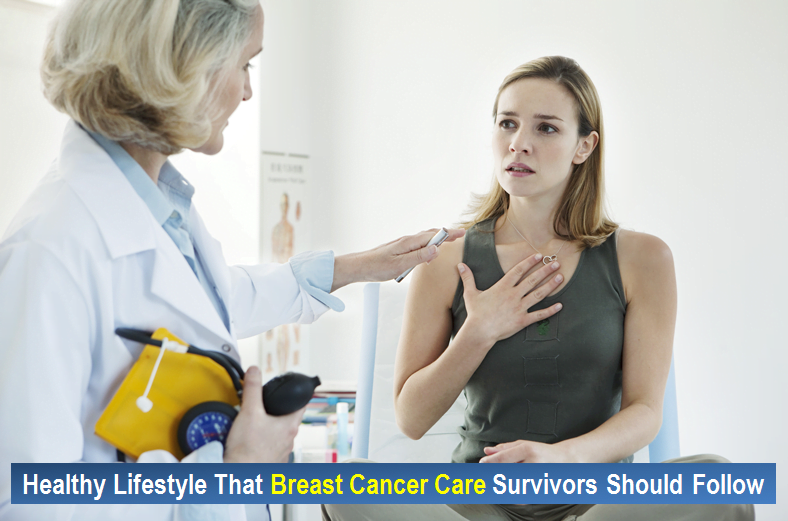
Healthy Lifestyle That Breast Cancer Care Survivors Should Follow
24 Dec
0

Healthy Lifestyle That Breast Cancer Care Survivors Should Follow

Cancer is hard. The cancer treatment is even more frightening and heart-breaking. After you have passed those hurdles, you need to maintain a healthy lifestyle. The modern medical science has made our lives better. But along with this, you must take control of your health to enrich your life. A healthy lifestyle after breast cancer surgery should include: Maintain a Healthy Weight – Diagnosis of cancer is accompanied with the stress of the treatment, its side effects and the changes it will bring in life. It becomes difficult for the survivor to keep a check on her weight. Maintain a healthy weight by consulting a nutritionist. It’s the single and the most vital thing to improve the quality of your life after breast cancer surgery.   Limit the Intake of Alcohol – Alcohol is a complicated issue especially for the survivors. Excessive alcohol consumption can cause risk in the near future. Therefore, try to avoid it as much as possible. Alcohol is also considered to be an unhealthy way to deal with the physical and emotional stress of cancer. Talk to your healthcare professional if you think you’ll face problem without consuming it.   Maintain a Healthy Diet – As a survivor, it becomes difficult to keep track of the diet intake. Maintain a healthy diet as it will keep your weight in check, give your body the essential vitamins and minerals along with the energy you need to stay active all throughout the day. Try eating as much fruits, vegetables, whole grains as you can. And, avoid eating red meat. Follow food safety steps to avoid food poisoning.   Quit Smoking – Quit smoking. It is the single best thing you can do as a breast cancer survivor. It will lower down the risk of developing breast cancer in the future. Along with it you will also prevent yourself from succumbing to heart diseases and stroke. Though it’s tough but not impossible.   Maintain a Workout Regime – It’s tough for a lot of people to do exercise on a daily basis. For the survivors who have recently undergone breast cancer surgery, it’s all the more difficult. The benefits of regular activity includes: it boosts your health, it improves your mood and helps to avoid cancer-related fatigue issues. Regular workout also reduces the chances of recurrence and cut down the risk of chronic diseases.   Cancer Care Specialities MENA at Al Zahra Hospital is the best breast cancer care center in Gulf, UAE, and Dubai. The team of board certified doctors always advise the aforementioned tips to all their patients to have a healthy life.

Archive photo of the team دسدير الراوي.
6 مخاطر للعمل الليلي – د. شريف فايد – مستشفى الزهراء دبى – قناه العربيه
16 Dec
0

6 مخاطر للعمل الليلي – د. شريف فايد – مستشفى الزهراء دبى – قناه العربيه

6 مخاطر للعمل الليلي – د. شريف فايد – مستشفى الزهراء دبى – قناه العربيه

Sadir Alrawi the American trained surgical oncologist from Roswellpark cancer institute with 32 year experience in surgical oncology
16 Dec
0

Sadir Alrawi the American trained surgical oncologist from Roswellpark cancer institute with 32 year experience in surgical oncology

Sadir Alrawi the American trained surgical oncologist from Roswellpark cancer institute with 32 year experience in surgical oncology

12 Dec
0

Symptoms of Colon Cancer That Women Usually Face

The rate of colorectal cancer is on the rise especially amongst those who are aged between 20 and 49 years. Colorectal cancer is the third leading cause of death globally. Because it is highly preventable with proper screening, do not be negligent with your health. Instead, schedule an appointment with Cancer Care Specialities MENA for colorectal cancer screening. Our Oncology Department specializes in treating people with colorectal and other gastrointestinal cancers. In the meantime, we have enlisted below the common colon cancer symptoms in women:   Blood In The Bowel Movement – If you see a small amount of red blood after the bowel movement, it is likely to be small hemorrhoid or harmless fissure. But if the blood amount is large or you see dark red or black tinged stool, schedule an appointment with your doctor right away. The latter is a sign that there is bleeding further up in the colon. But, if you have other symptoms, and there’s no blood in the stool, still you should go and get the check-up done.   Frequent / Continuous Constipation – Everyone suffers from constipation, however, the prolonged problem of difficulty in passing off the stool is a clear indication of blockage in the colon. This is because at the beginning of the colon, the stool is soft and can overcome all the challenges in the way. It becomes firm as it moves towards the end of the colon. If you have a tumor at the end of the rectum, it will be difficult for you to pass this harder waste.   No End To Cramps and Bloating – We usually feel full after having a big meal, but people with colon cancer feel bloated all the time. If it is so with you too, it’s time to schedule an appointment with a gastroenterologist. Bloating can be accompanied with cramps and gas. If the pains are unfamiliar, visit your doctor.   Iron Deficiency & Unintentional Weight Loss – Lack of iron in the body results in the deficiency of red blood cells. Anemia and colon cancer are closely linked. Colon cancer patient develop anemia due to the blood loss in the digestive tract. If the iron levels depicted in the blood test are less, talk with your doctor. If you are experiencing weakness, fatigue, unexplained weight loss along with anemia, then it’s time to visit to the doctor.   Cant Kick Off Your Acid Reflux – Often having a chronic acid problem is ok, you don’t need to freak out. But, if on regular basis you suffer from reflux, and none of the acid reducer seems to be making a change – get in touch with a healthcare practitioner. Sometimes, the tumor can cause blockage and increase acid back up.   You know your body well than anyone else. Be in tune with it, speak up if you feel like something is not going well within. The team of the highly skilled doctor at Al Zahra specializing in colorectal oncology in UAE will provide you with the best suitable treatment.