
Blog
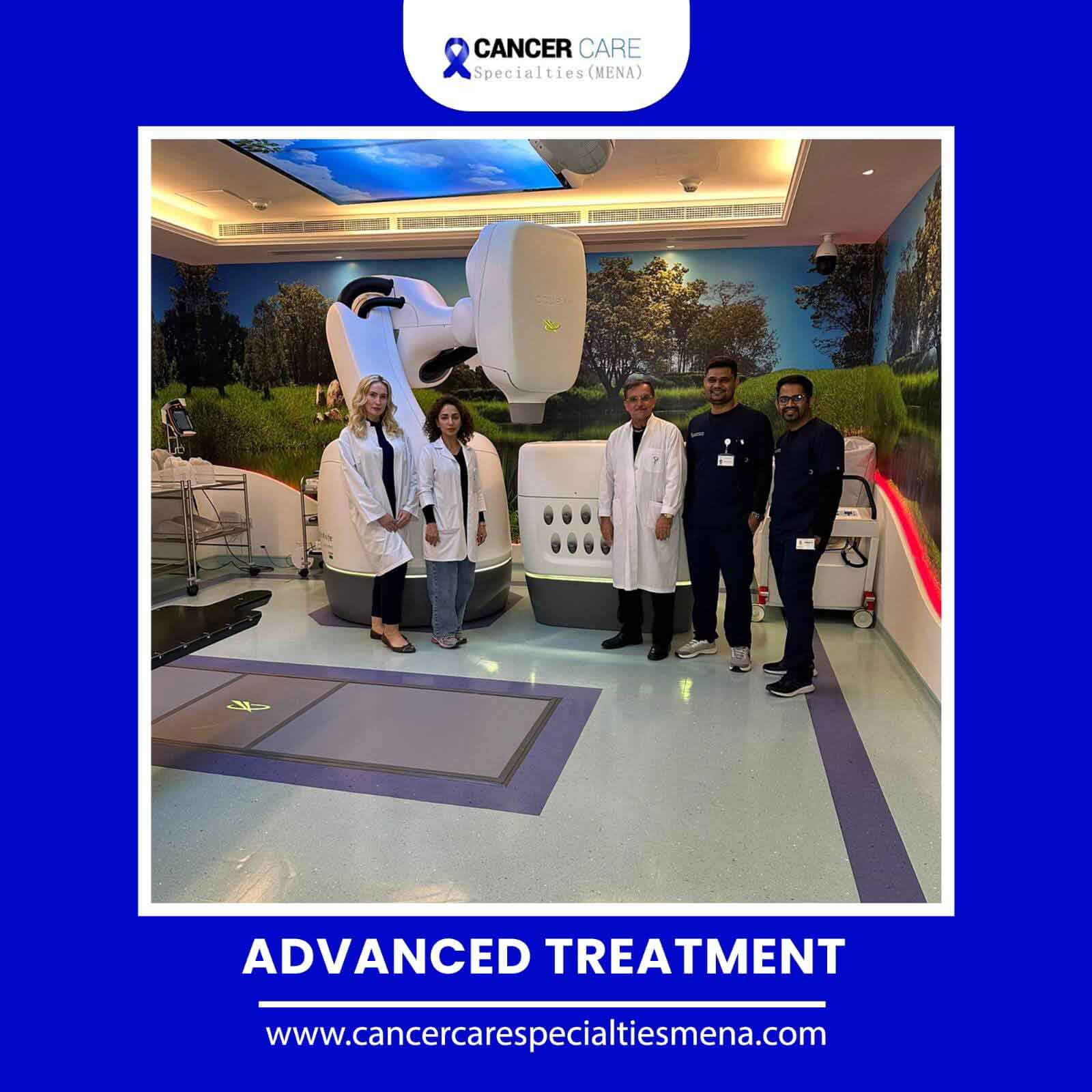
Advanced Treatment
They harness the power of genomics, personalized medicine, and artificial intelligence to tailor treatments to each patient’s unique genetic makeup, minimizing side effects and maximizing outcomes.

Oncology team of the future.
Comprising oncologists, radiation therapists, and nurses, this visionary team leverages the latest technological advancements to revolutionize cancer diagnosis, treatment, and research.
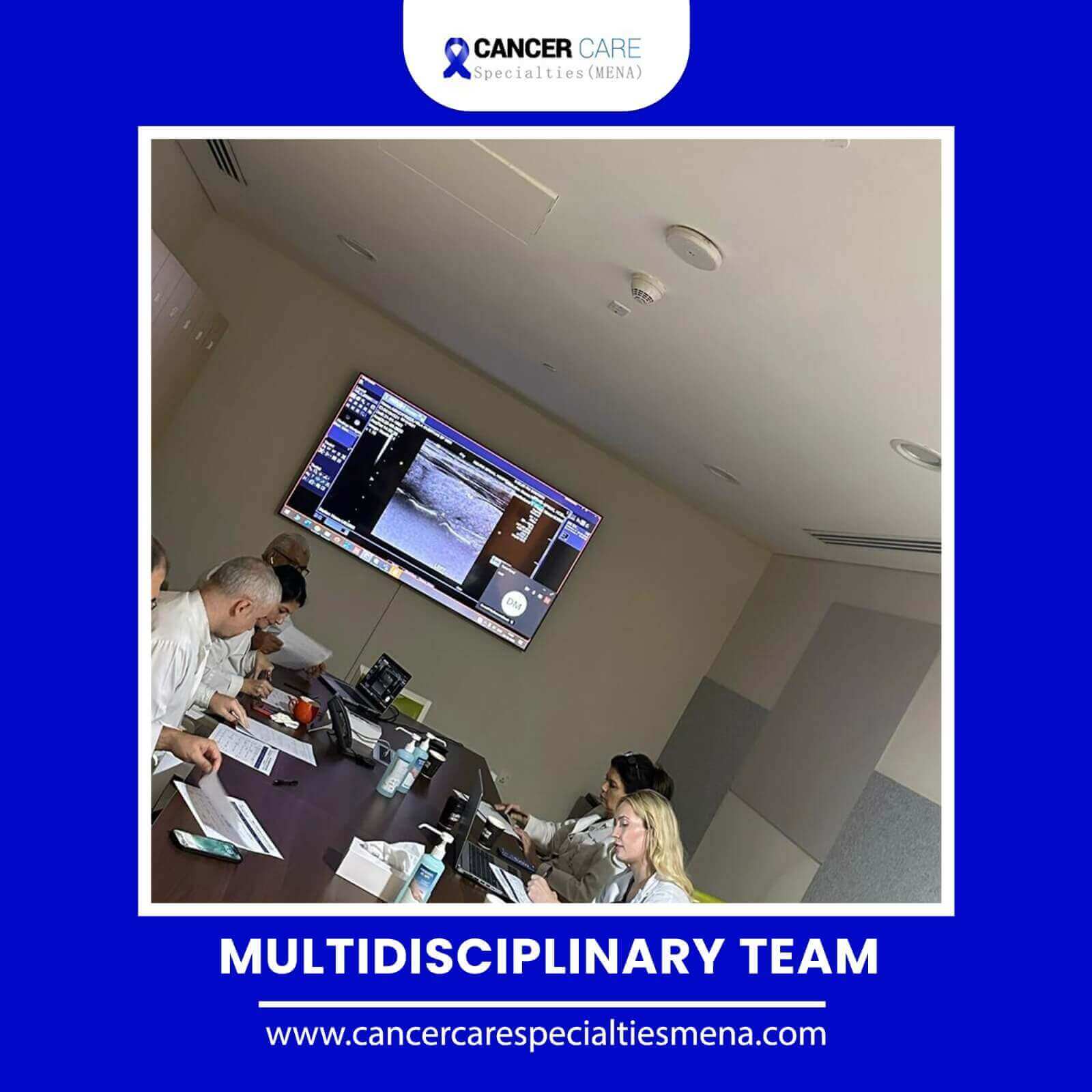
Multidisciplinary Team.
Our team includes experts from various fields, including neurology, orthopedics, oncology, and nursing, all working together to ensure the best possible outcomes for our patients.
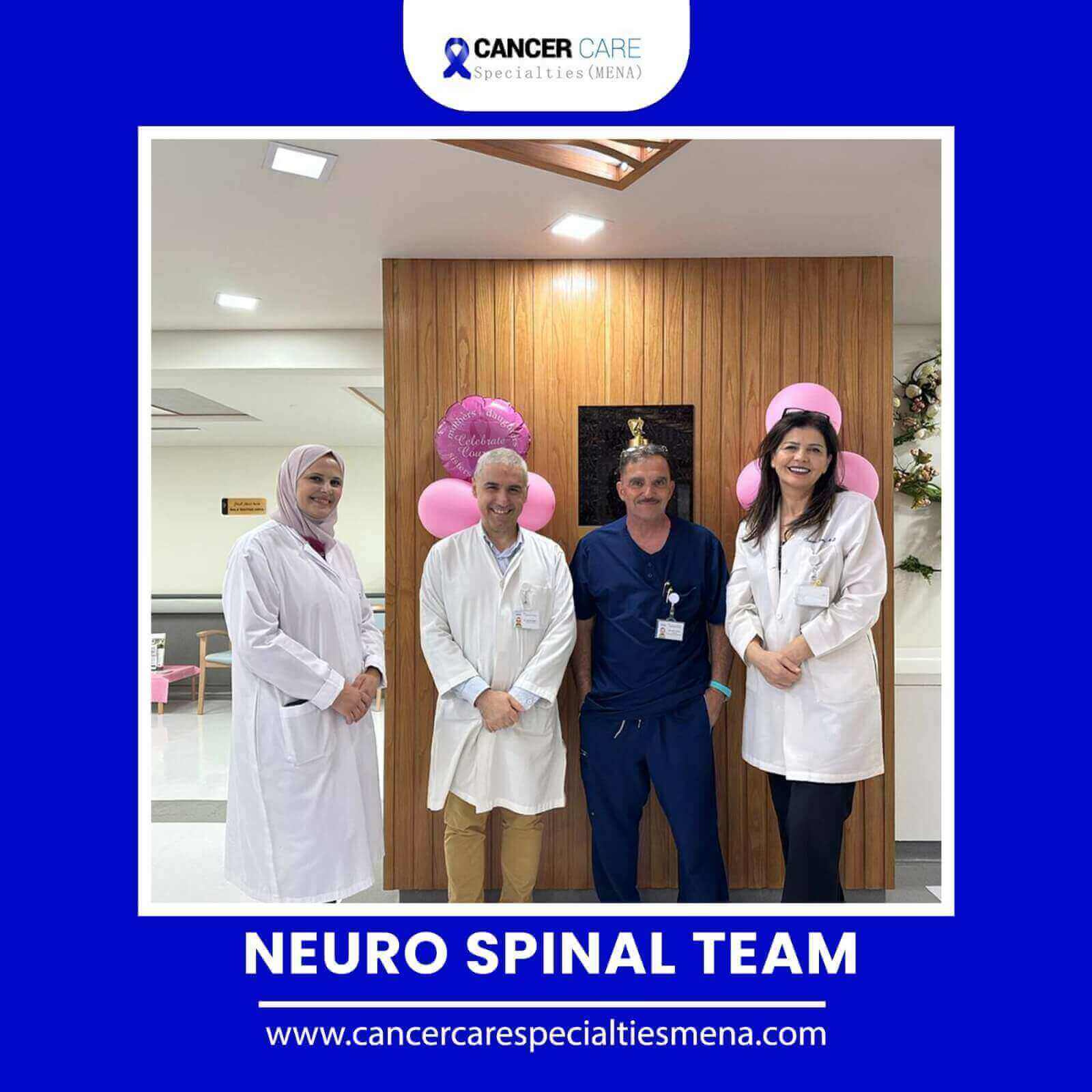
Neuro Spinal Team.
The Neurospinal team at our specialty hospital is a cohesive group of medical professionals dedicated to providing comprehensive care for patients with a wide range of conditions.
Medical Experts
Whether it’s managing injuries, disorders, or conditions, we prioritize patient well-being, utilizing advanced technology and compassionate care to improve their quality of life.
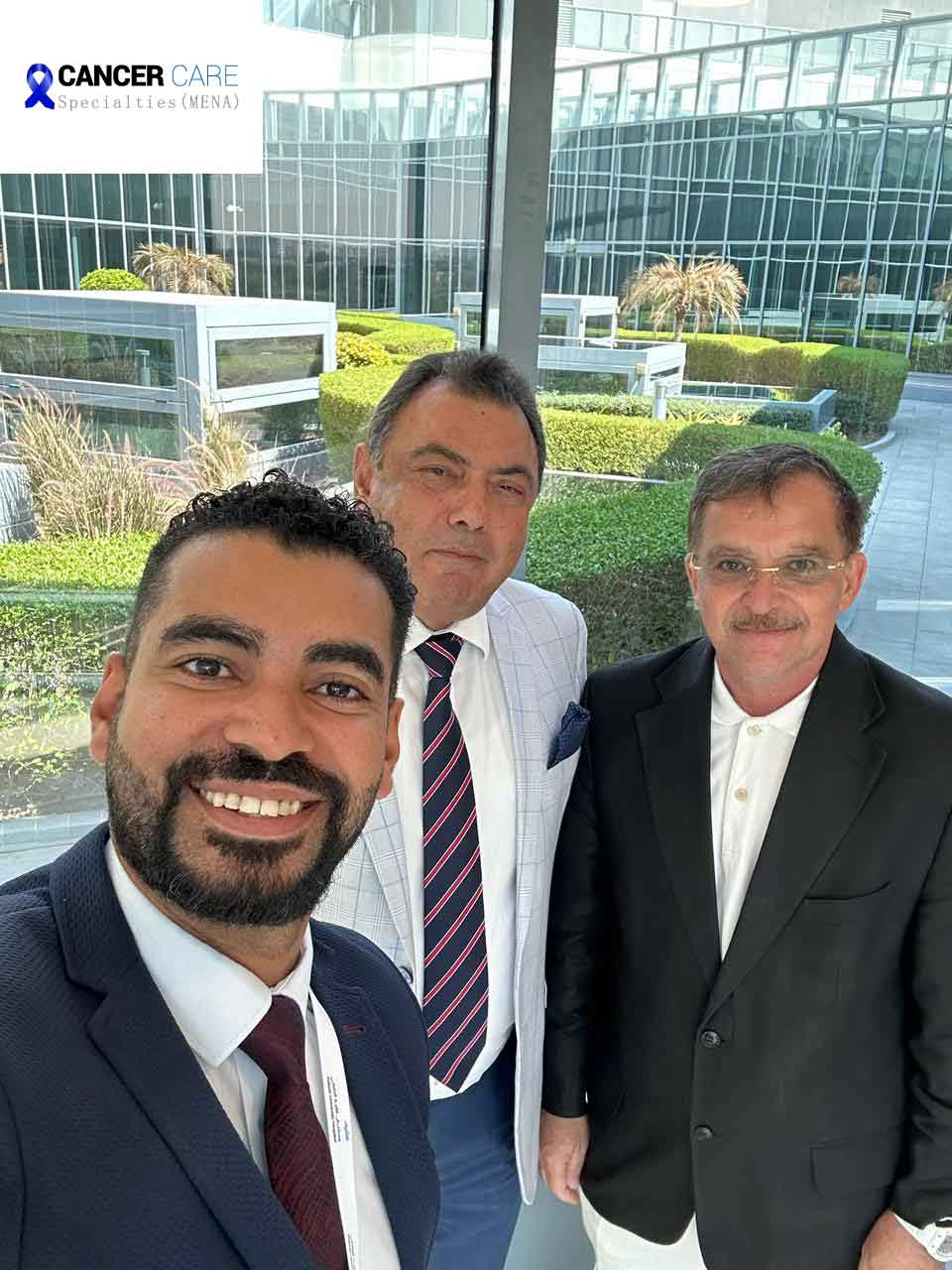
Fakeeh Cancer Center
Our state-of-the-art technology and world-class medical experts come together to provide cutting-edge treatment options and personalized care for every patient.
Understanding and Responding to Choking Incidents
Introduction: When it comes to the safety and well-being of children, having the knowledge and skills to respond to emergencies is of utmost importance. In a bustling city like Dubai, Abu Dhabi, London, where accidents can happen at any time, being equipped with paediatric first aid training can make a significant difference. We will focus on one specific emergency situation: choking. 1. Understanding Choking in Children: Choking occurs when an object blocks the airway, preventing proper breathing. In young children, who are prone to exploring their surroundings through putting objects in their mouths, choking incidents can happen more frequently. Paediatric first aid training provides caregivers and childcare professionals with the knowledge to identify the signs and symptoms of choking and take immediate action. 2. The Importance of Immediate Response: Choking is a life-threatening emergency that requires quick and effective intervention. Paediatric first aid training equips individuals with the skills to respond promptly in such situations, ensuring the child’s airway is cleared and breathing is restored as quickly as possible. 3. Techniques for Clearing an Airway: Paediatric first aid training in London teaches various techniques for clearing a child’s airway during a choking incident. These techniques may include back blows, chest thrusts, or abdominal thrusts, depending on the age and size of the child. By learning and practicing these techniques, caregivers can confidently and effectively respond to choking emergencies. 4. Prevention and Awareness: Paediatric first aid training not only focuses on responding to emergencies but also emphasizes the importance of prevention and awareness. Caregivers and childcare professionals learn how to create a safe environment for children, minimizing the risk of choking incidents. They also gain knowledge on age-appropriate foods and objects that pose a choking hazard and how to educate parents and caregivers about these risks. 5. Confidence and Peace of Mind: One of the significant benefits of paediatric first aid training is the confidence and peace of mind it provides to caregivers. Knowing that they have the skills to respond effectively in a choking emergency can alleviate anxiety and enable them to act quickly and decisively when every second counts. Conclusion: Paediatric first aid training is an essential investment for individuals responsible for the well-being of children. Choking incidents can happen unexpectedly, and being equipped with the knowledge and skills to respond can save lives. By undergoing paediatric first aid training, caregivers and childcare professionals can ensure they are prepared to handle choking emergencies with confidence, providing immediate assistance and potentially preventing serious harm. Remember, being prepared today can make all the difference tomorrow. If you are a caregiver or childcare professional, make sure to prioritize paediatric first aid training. By doing so, you are taking a proactive step towards creating a safe environment for children and being prepared to respond effectively in choking emergencies.
Everything to Know About Autoimmune Diseases
Autoimmune diseases are a significant health concern affecting people globally, including those in Dubai, the UAE, and the wider region. These conditions arise when the immune system, responsible for defending the body against harmful invaders, mistakenly attacks its healthy cells and tissues. This context aims to provide a clear and accessible overview of autoimmune diseases, shedding light on their prevalence, impact, and various aspects of management. What are autoimmune diseases? Autoimmune diseases occur when the body’s immune system, designed to protect against foreign invaders, turns against its cells and tissues. This misguided response can result in inflammation and damage to various organs and systems. The immune system becomes overactive, causing harm instead of protection. There are numerous types of autoimmune diseases, each affecting specific organs or systems. Common examples include rheumatoid arthritis, lupus, and type 1 diabetes. Symptoms vary widely and can include fatigue, joint pain, skin rashes, and more, depending on the type of autoimmune disease. Causes Several factors contribute to the development of autoimmune diseases. Genetics plays a role, as these conditions often run in families. Environmental triggers, such as infections or exposure to certain substances, can also initiate autoimmune responses. Stress and lifestyle factors are increasingly recognized as contributors, highlighting the complex interplay between genetics and the environment. Diagnosis and treatment Diagnosing autoimmune diseases involves a thorough process, including blood tests and imaging studies. Early detection is crucial for effective management. Treatment strategies vary but may include: Immunosuppressant drugs to curb the immune system’s activity Biological therapies targeting specific immune components Lifestyle changes like dietary modifications Early diagnosis and intervention play a pivotal role in preventing the progression of autoimmune diseases and managing symptoms effectively. Regular monitoring and adjustments to treatment plans are common to ensure optimal care. Living with autoimmune diseases Living with autoimmune diseases presents unique challenges. Chronic pain, fatigue, and the potential for disability can significantly impact daily life. Self-care and stress management become crucial components of coping. Joining support groups and seeking counseling can provide emotional support and practical advice for navigating the challenges posed by autoimmune conditions. Prevention While not all autoimmune diseases are preventable, adopting a healthy lifestyle can contribute to overall well-being and potentially reduce the risk. A balanced diet, regular exercise, and sufficient sleep are foundational. Stress management is vital, as chronic stress can exacerbate autoimmune responses. Where possible, identifying and avoiding environmental triggers is also a preventive measure. Conclusion Autoimmune diseases are complex conditions with a significant impact on individuals’ lives. Understanding their nature, causes, and management is crucial for those affected and the broader community. HBG Medical Centre emphasizes the importance of early diagnosis and comprehensive care in navigating autoimmune diseases effectively. By adopting a proactive approach to health, including preventive measures and lifestyle choices, individuals can empower themselves to manage and potentially mitigate autoimmune diseases’ impact. Stay informed, seek professional guidance, and take steps toward a healthier and more resilient future.
Cancer care specialist
Choosing a specialist oncology surgeon in Dubai can make all the difference in cancer care, providing the best chance for successful outcomes.
Cancer care
We harness the power of genomics, personalized medicine, and artificial intelligence to tailor treatments to each patient’s unique genetic makeup, minimizing side effects and maximizing outcomes.
Latest News
-

-

-

-

Prostate Cancer Survivor Stories That Inspire Hope
09 Jul, 2026 -

Seminar & Events
-

Baghdad clinic
30 Sep, 2024 -

Saudi German Hospital
26 Sep, 2024 -
Oncology Program
16 Sep, 2024 -

Oncology marketing
06 Sep, 2024 -
CAR-T THERAPY
14 Aug, 2024