
Blog
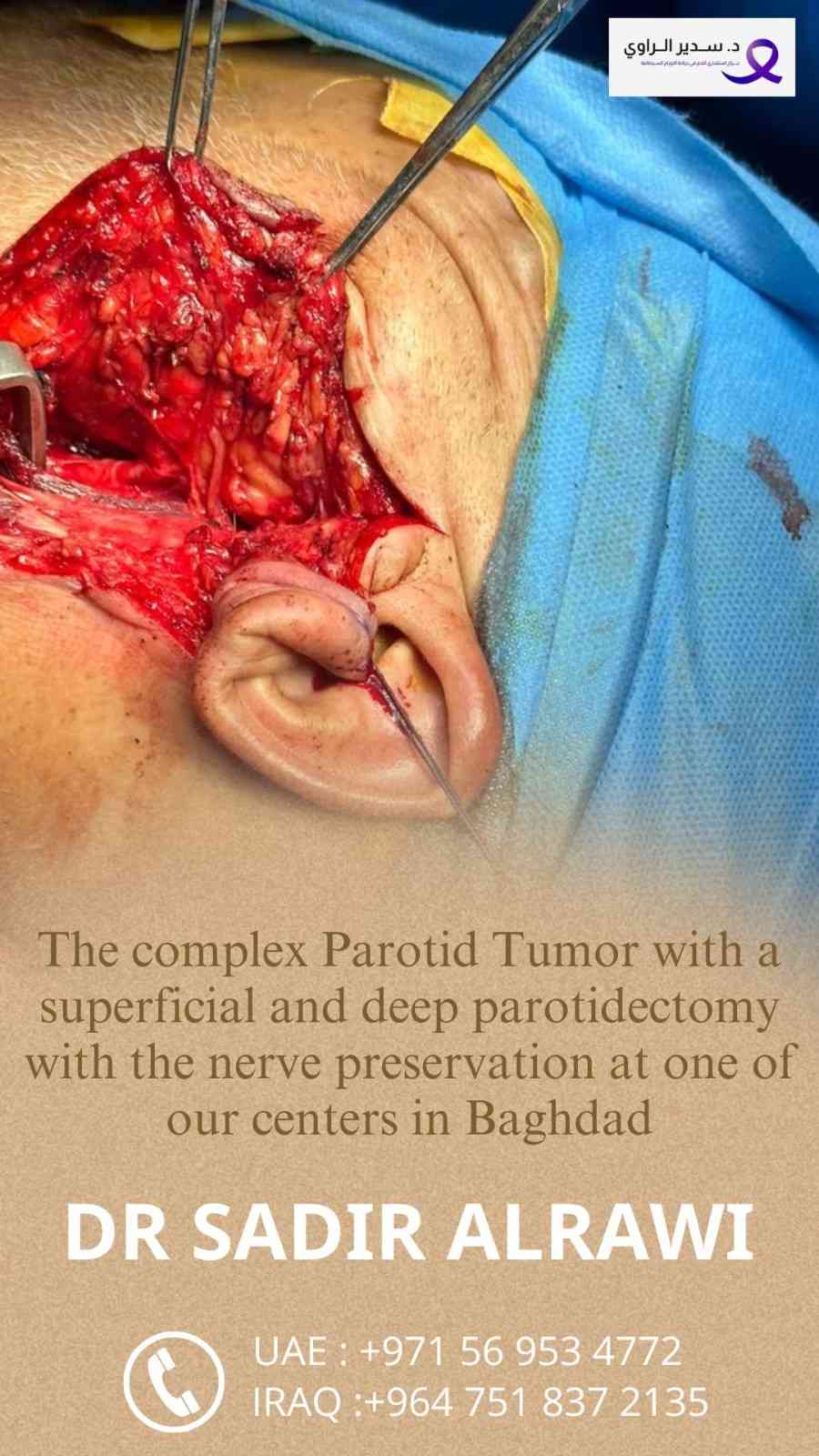
Parotid Surgery Post
#bestprostatesurgeonuae #topprostatehospitaluae #bladdercanceruae #testiculartumoruae #roboticsurgeryuae #kidneytumoruae #kidneystoneuae #bestgynecologistoncologyuae #ovariantumoruae #uterinetumoruae #bestthoraciconcologysurgeonuae #mesitholmahioecuae #hipeconcologyteam #sarcomauae
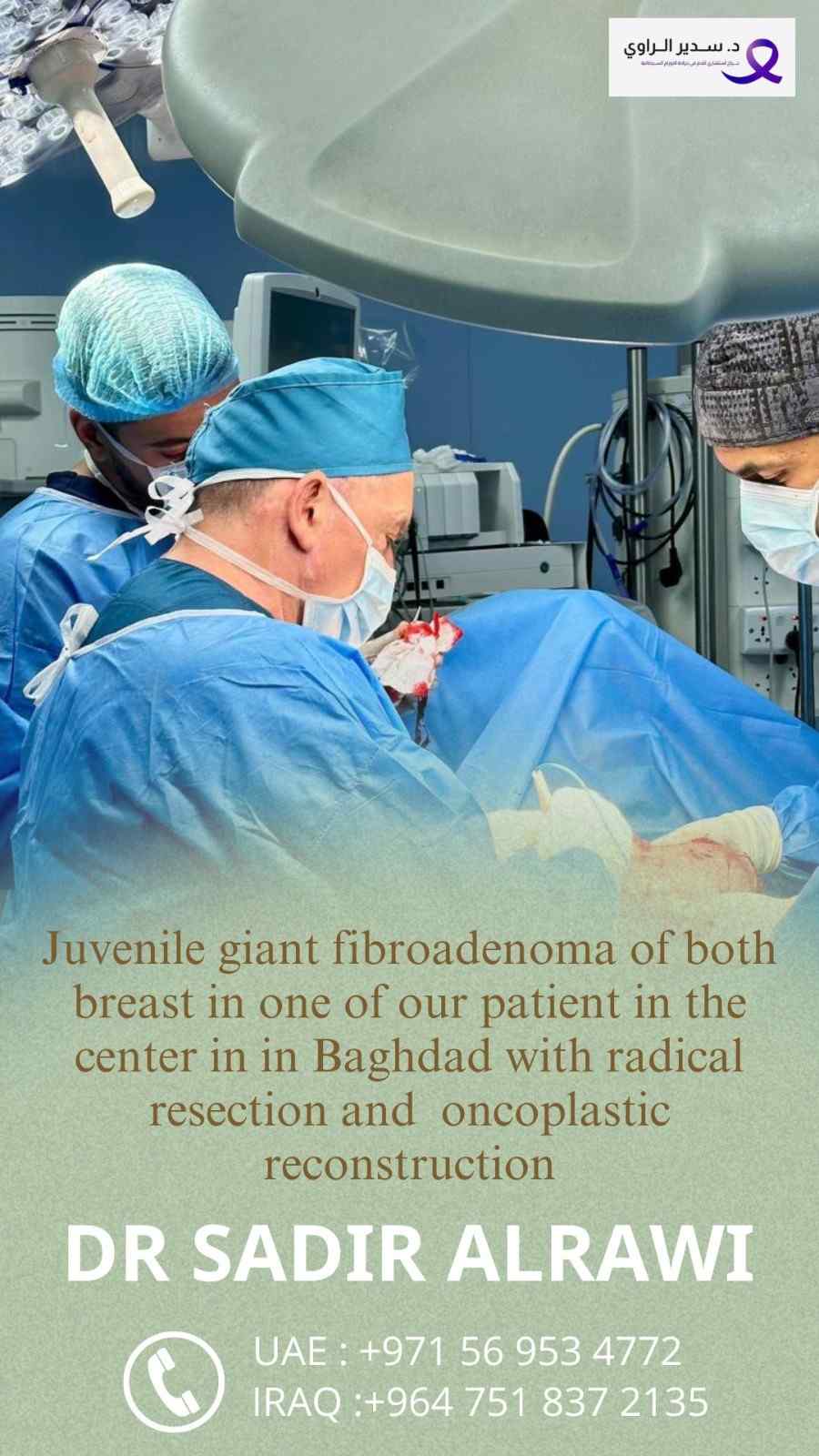
Surgery Posts
#hipecsurgerymena #parotidsurgerymiddleeast #bestcolorectalsurgerymena #bestoncologyhospitaluae #bestoncologycenteruae #bestbrestsurgeryuae #parathyroidsurgeryabudgabi #bestthyroiddubai #topsurgeondubai #oncoplasticbreastsurgeryuae #bestfistulasurgeonuae #bestliversurgeondubai #bestpancreatisurgeonuae #bestsanorectalsurgeonuae #bestsarcomasurgeonuae
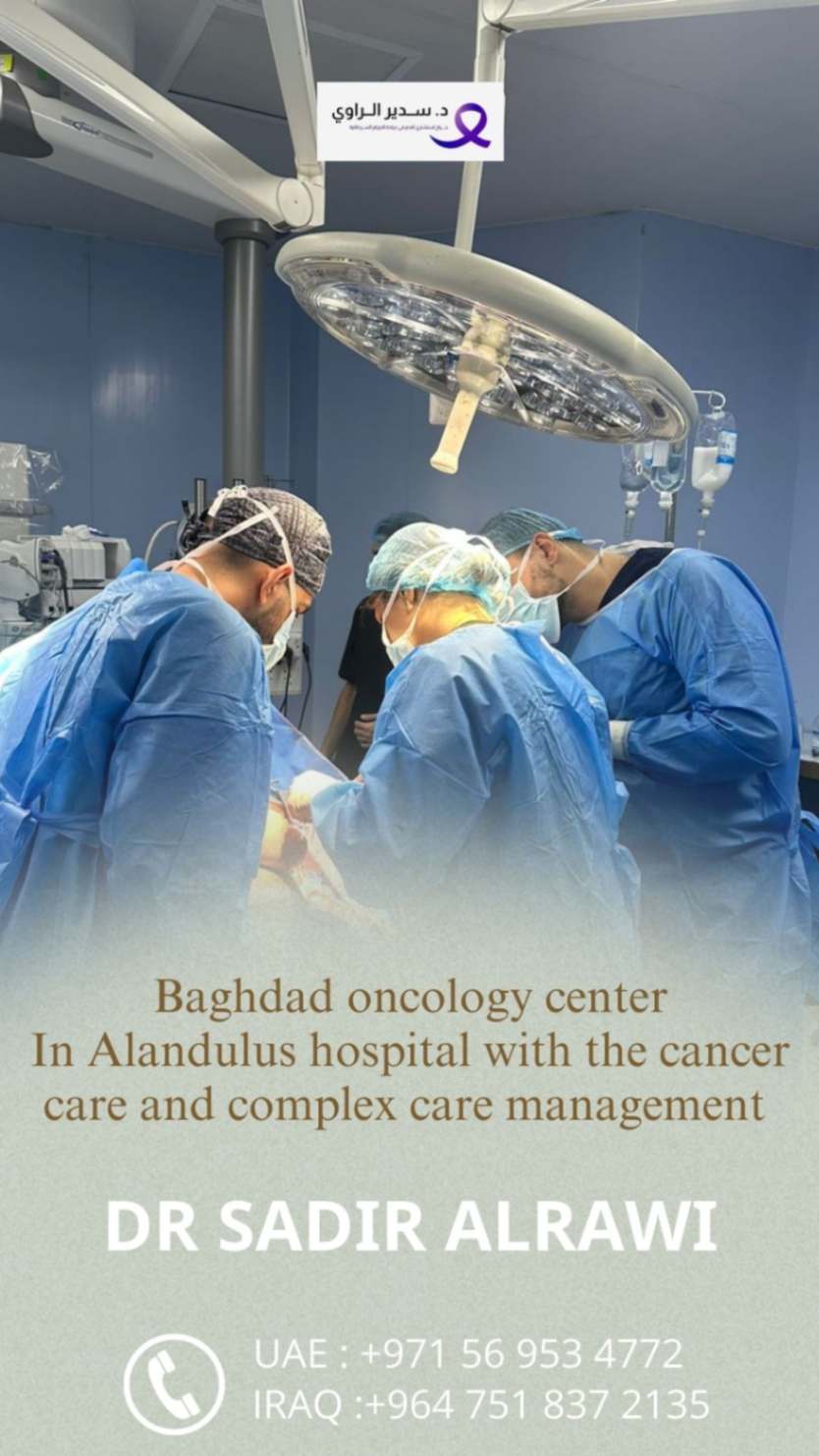
Baghdad Cancer Center
Alandalus Cancer Center, one of the satellite of Cancer Care Specialties MENA in Bagdad. Dr Sadir Alrawi & Team #hipecsurgeryuae #parotidsurgerydubai #bestcolorectalsurgeryuae #bestoncologycenteruae #bestbrestsurgeryuae #parathyroiduae #parathyroidsurgeryabudhabi #thyroidsurgerydubai #femalebestsurgeondubai #oncoplasticbreastsurgeryuae #bestfistulasurgeonabudhabi #bestliversurgeondubai #bestpancreatisurgeonuae #liverresectionuae #refluxdiseaeuae #bestgastrosurgeonuae #bestsofttissuetumorresectionua
Breast Cancer Tips
Certainly! Here are concise tips for managing breast cancer: Medical Management • Adhere to Treatment: Follow your prescribed treatment plan (surgery, chemotherapy, radiation, hormone therapy). • Regular Check-ups: Attend all medical appointments for monitoring and adjustments. Physical Care • Side Effect Management: Use medications and therapies to manage treatment side effects. • Healthy Diet: Eat a balanced diet with fruits, vegetables, lean proteins, and whole grains. • Stay Active: Engage in moderate exercise as tolerated. • Rest: Ensure adequate sleep and rest. Emotional and Mental Health • Support Groups: Join support groups for shared experiences and emotional support. • Counseling: Seek individual therapy if needed. • Stress Management: Practice relaxation techniques like meditation or yoga. Lifestyle Adjustments • Avoid Smoking and Limit Alcohol: Reduce or eliminate these to support overall health. • Healthy Weight: Maintain a healthy weight to support recovery. Always follow your healthcare provider’s specific advice for your individual situation. #hipecsurgerymena #parotidsurgerymiddleeast #bestcolorectalsurgerymena #bestoncologyhospitaluae #bestoncologycenteruae #bestbrestsurgeryuae #parathyroidsurgeryabudgabi #bestthyroiddubai #topsurgeondubai #oncoplasticbreastsurgeryuae #bestfistulasurgeonuae #bestliversurgeondubai #bestpancreatisurgeonuae #bestsanorectalsurgeonuae #bestsarcomasurgeonuae

Types of Sarcoma
Sarcoma is a type of cancer that originates in the bones and soft tissues, including muscles, fat, blood vessels, lymph vessels, and fibrous tissues like tendons and ligaments. Sarcomas are relatively rare and can occur anywhere in the body. They are broadly categorized into two main types: 1. Bone Sarcomas: These develop in the bones and include types such as osteosarcoma, Ewing sarcoma, and chondrosarcoma. 2. Soft Tissue Sarcomas: These occur in the soft tissues and include types such as liposarcoma (fat), leiomyosarcoma (smooth muscle), and synovial sarcoma (tissues around joints). Symptoms The symptoms of sarcoma depend on its location and size but may include: • A noticeable lump or swelling • Pain (if the tumor presses on nerves or muscles) • Obstruction or functional impairment of the affected area Diagnosis Diagnosing sarcoma typically involves: • Imaging Tests: Such as X-rays, CT scans, MRI, and PET scans to locate and determine the size of the tumor. • Biopsy: A sample of the tissue is taken and examined under a microscope to confirm the diagnosis. Treatment The treatment for sarcoma depends on the type, location, and stage of the cancer but may include: • Surgery: To remove the tumor and some surrounding healthy tissue to ensure all cancer cells are excised. • Radiation Therapy: To destroy cancer cells and shrink tumors before surgery or to kill any remaining cancer cells post-surgery. • Chemotherapy: Used to kill cancer cells, often administered if the sarcoma has spread or if surgery is not feasible. • Targeted Therapy: Uses drugs that specifically target cancer cell mechanisms to inhibit their growth. Prognosis The prognosis for sarcoma patients varies widely depending on factors such as the type of sarcoma, its location, stage at diagnosis, and the patient’s overall health. Early detection and treatment generally lead to better outcomes. Regular follow-ups are crucial to monitor for recurrence or metastasis. #hipecsurgeryuae #parotidsurgerydubai #bestcolorectalsurgeryuae #bestoncologycenteruae #bestbrestsurgeryuae #parathyroiduae #parathyroidsurgeryabudhabi #thyroidsurgerydubai #femalebestsurgeondubai #oncoplasticbreastsurgeryuae #bestfistulasurgeonabudhabi #bestliversurgeondubai #bestpancreatisurgeonuae #liverresectionuae #refluxdiseaeuae #bestgastrosurgeonuae #bestsofttissuetumorresectionuae
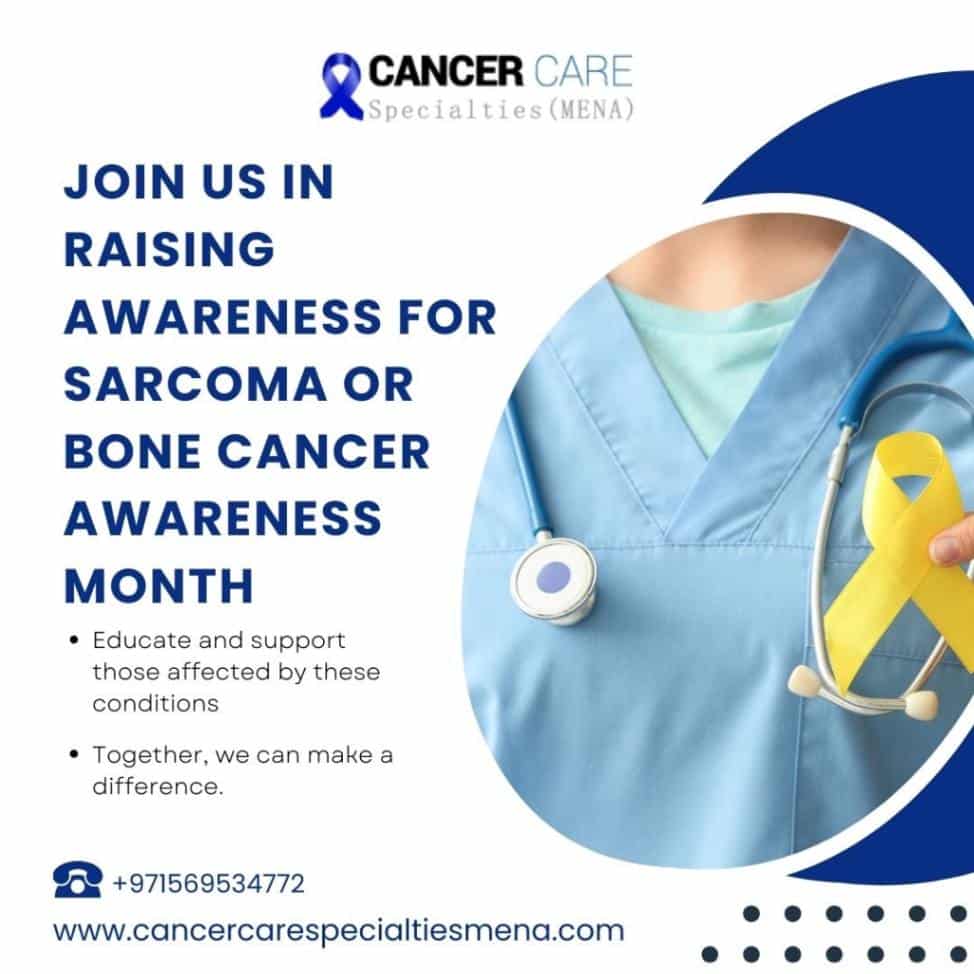
Sarcoma
Sarcoma is a type of cancer that originates in the bones and soft tissues, including muscles, fat, blood vessels, lymph vessels, and fibrous tissues like tendons and ligaments. Sarcomas are relatively rare and can occur anywhere in the body. They are broadly categorized into two main types: 1. Bone Sarcomas: These develop in the bones and include types such as osteosarcoma, Ewing sarcoma, and chondrosarcoma. 2. Soft Tissue Sarcomas: These occur in the soft tissues and include types such as liposarcoma (fat), leiomyosarcoma (smooth muscle), and synovial sarcoma (tissues around joints). Symptoms The symptoms of sarcoma depend on its location and size but may include: • A noticeable lump or swelling • Pain (if the tumor presses on nerves or muscles) • Obstruction or functional impairment of the affected area Diagnosis Diagnosing sarcoma typically involves: • Imaging Tests: Such as X-rays, CT scans, MRI, and PET scans to locate and determine the size of the tumor. • Biopsy: A sample of the tissue is taken and examined under a microscope to confirm the diagnosis. Treatment The treatment for sarcoma depends on the type, location, and stage of the cancer but may include: • Surgery: To remove the tumor and some surrounding healthy tissue to ensure all cancer cells are excised. • Radiation Therapy: To destroy cancer cells and shrink tumors before surgery or to kill any remaining cancer cells post-surgery. • Chemotherapy: Used to kill cancer cells, often administered if the sarcoma has spread or if surgery is not feasible. • Targeted Therapy: Uses drugs that specifically target cancer cell mechanisms to inhibit their growth. Prognosis The prognosis for sarcoma patients varies widely depending on factors such as the type of sarcoma, its location, stage at diagnosis, and the patient’s overall health. Early detection and treatment generally lead to better outcomes. Regular follow-ups are crucial to monitor for recurrence or metastasis. #hipecsurgerymena #parotidsurgerymiddleeast #bestcolorectalsurgerymena #bestoncologyhospitaluae #bestoncologycenteruae #bestbrestsurgeryuae #parathyroidsurgeryabudgabi #bestthyroiddubai #topsurgeondubai #oncoplasticbreastsurgeryuae #bestfistulasurgeonuae #bestliversurgeondubai #bestpancreatisurgeonuae #bestsanorectalsurgeonuae #bestsarcomasurgeonuae
Lack of sleep predisposing to cancer
Lack of sleep has been increasingly recognized as a factor that can predispose individuals to various types of cancer. Here are some ways insufficient sleep may contribute to cancer risk: 1. Immune System Suppression: Sleep is crucial for the proper functioning of the immune system. Chronic sleep deprivation can weaken the immune system, making it less effective at identifying and destroying cancerous cells. 2. Hormonal Imbalance: Sleep regulates the production of certain hormones, such as melatonin, which has antioxidant properties and can help protect against cancer. Reduced levels of melatonin due to poor sleep can lead to increased cell damage and cancer risk. 3. Inflammation: Lack of sleep can lead to chronic inflammation, which is linked to the development of several types of cancer. Inflammation can damage cells and create an environment conducive to cancer growth. 4. Obesity: Sleep deprivation is associated with weight gain and obesity, which are risk factors for several types of cancer, including breast, colon, and pancreatic cancer. 5. DNA Repair: During sleep, the body repairs damaged DNA. Inadequate sleep can impair this repair process, leading to the accumulation of genetic mutations that can contribute to cancer development. 6. Lifestyle Factors: Poor sleep can also lead to unhealthy lifestyle choices, such as reduced physical activity and poor diet, which are additional risk factors for cancer. Maintaining good sleep hygiene, managing stress, and seeking medical advice if experiencing sleep disorders are essential steps to mitigate the potential cancer risk associated with sleep deprivation. #hipecsurgeryuae #parotidsurgerydubai #bestcolorectalsurgeryuae #bestoncologycenteruae #bestbrestsurgeryuae #parathyroiduae #parathyroidsurgeryabudhabi #thyroidsurgerydubai #femalebestsurgeondubai #oncoplasticbreastsurgeryuae #bestfistulasurgeonabudhabi #bestliversurgeondubai #bestpancreatisurgeonuae #liverresectionuae #refluxdiseaeuae #bestgastrosurgeonuae #bestsofttissuetumorresectionuae
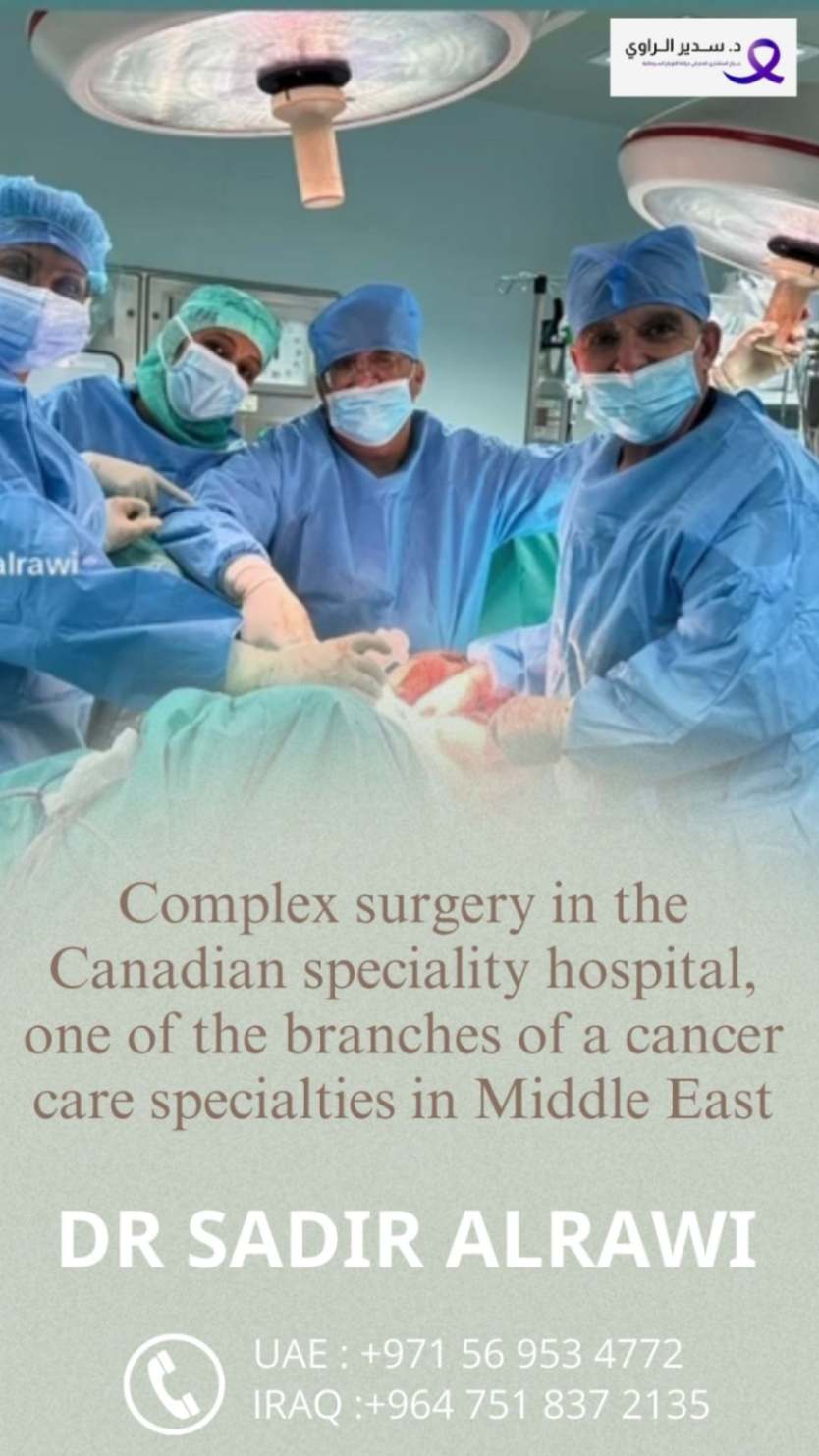
Complex Surgery at Canadian Hospital
Complex surgery in the Canadian speciality hospital, one of the branches of a cancer care specialties in Middle East #hipecdubai #parotiddubai #colorectalsurgerydubai #bestoncologyuae #bestbrestsurgerydubai #parathyroidsurgerydubai #thyroiddubai #bestsurgeondubai #oncoplasticbreastsurgerydubai #bestfistulasurgeonuae #bestrefluxsurgeryuae
Baking Soda And Benefits On Cancer Prognosis
The use of baking soda (sodium bicarbonate) in cancer treatment has garnered interest due to its potential impact on the acidic microenvironment of tumors. Here are some key points about this concept: Mechanism of Action 1. Tumor Acidity: Cancer cells often thrive in an acidic environment, which helps them invade surrounding tissues and evade the immune system. This acidity results from the high metabolic rate of cancer cells, producing excess lactic acid. 2. Alkalization: Baking soda is a basic compound and can neutralize acidity. The idea is that by raising the pH of the tumor microenvironment, baking soda might inhibit cancer cell growth and spread. Preclinical Studies • Animal Studies: Some studies on mice have shown that oral administration of baking soda can reduce tumor growth and metastasis by neutralizing the acidic environment around tumors. • Mechanistic Insights: Research suggests that alkalizing the tumor microenvironment might impair cancer cells’ ability to invade and spread, possibly making them more susceptible to immune attacks and conventional therapies. Clinical Evidence • Limited Human Studies: There is currently limited clinical evidence supporting the use of baking soda as a cancer treatment in humans. Most research is still in the preclinical stage, with only a few small-scale studies and anecdotal reports in humans. Risks and Considerations • Side Effects: High doses of baking soda can lead to metabolic alkalosis, an imbalance in the body’s pH that can cause serious health issues, including electrolyte imbalances, muscle spasms, and cardiac arrhythmias. • Lack of Standardization: There is no standardized dosing regimen for using baking soda in cancer treatment, making it difficult to determine safe and effective dosages. • Supplementary Use: Baking soda should not replace conventional cancer treatments. If considered, it should only be used under medical supervision as part of a broader treatment plan. Ongoing Research Researchers are exploring the potential benefits of bicarbonate therapy and ways to integrate it with existing cancer treatments. The focus is on understanding the precise mechanisms, optimal dosages, and how it can best be used to support traditional therapies like chemotherapy and immunotherapy. Conclusion While the concept of using baking soda to alter the tumor microenvironment is intriguing, it is not yet a validated or widely accepted treatment for cancer. More rigorous clinical trials are needed to establish its safety, efficacy, and practical application in oncology. Always consult with healthcare professionals before considering any alternative treatment approaches.

New Venture Of Cancer Care in UAE
Happy to Announce our New Venture of Cancer Care Specialties MENA in Abudhabi, Harley Street Hospital, Abudhabi #bestprostatesurgeonuae #topprostatehospitaluae #bladdercanceruae #testiculartumoruae #roboticsurgeryuae #kidneytumoruae #kidneystoneuae #bestgynecologistoncologyuae #ovariantumoruae #uterinetumoruae #bestthoraciconcologysurgeonuae #mesitholmahioecuae #hipeconcologyteam #sarcomauae
Latest News
-

-

-

-

Prostate Cancer Survivor Stories That Inspire Hope
09 Jul, 2026 -

Seminar & Events
-

Baghdad clinic
30 Sep, 2024 -

Saudi German Hospital
26 Sep, 2024 -
Oncology Program
16 Sep, 2024 -

Oncology marketing
06 Sep, 2024 -
CAR-T THERAPY
14 Aug, 2024