
Nutrition Tips for Cancer Patients During Treatment
- Home
- Health Tips
- Nutrition Tips for Cancer Patients During Treatment
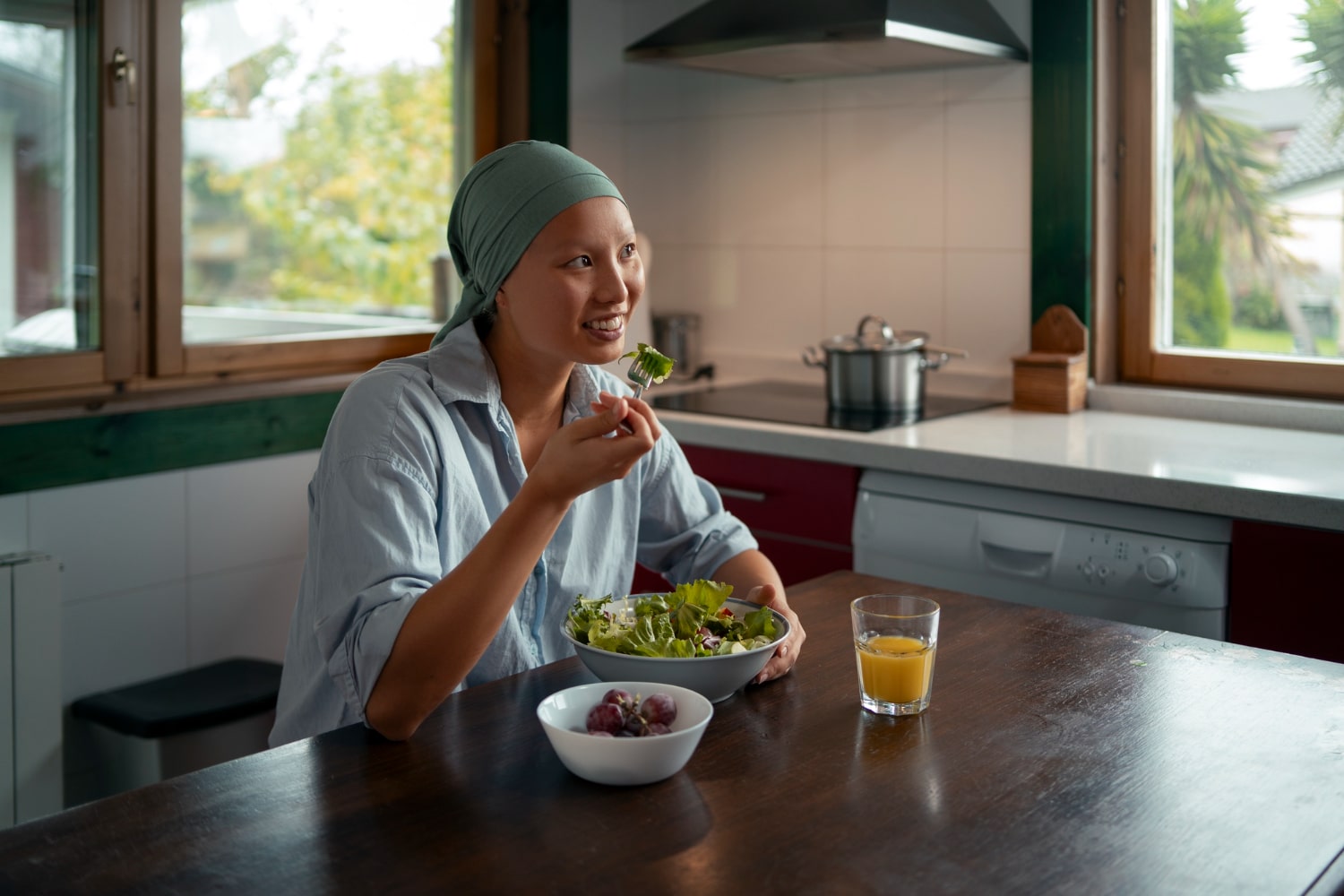
One pattern comes up again and again during treatment – patients either stop eating properly or try to “eat perfectly.” Both can backfire.
The body, during treatment, isn’t looking for perfection. It’s looking for consistency. Strength. Small wins.
That’s where nutrition for cancer patients becomes less about strict rules and more about practical adjustments that actually work day to day.
Why Does Eating Feel So Difficult During Treatment?
It’s not just appetite.
Treatment can affect taste, smell, digestion – even how food feels in the mouth. A meal that once felt normal can suddenly feel overwhelming.
Some days, even the smell of food is enough to turn someone away. Other days, there’s hunger but no energy to eat.
This is where many families get concerned – “Why aren’t they eating properly?”
The better question is: What can they tolerate today?
What Should A Cancer Patient Diet During Treatment Look Like?
A cancer patient diet during treatment doesn’t need to be complicated. It needs to be manageable.
Instead of large meals, smaller portions tend to work better.
- 5–6 small meals across the day
- Light snacks in between
- Flexible timing, not fixed schedules
This approach helps maintain energy without overwhelming the digestive system.
And yes, some days intake will be lower. That’s expected. The goal is not perfection – it’s maintaining momentum.
Is Protein Really That Important?
Short answer – yes.
A High-protein diet cancer care plans often recommend isn’t about body building. It’s about preserving muscle and supporting recovery.
Simple additions make a difference:
- Eggs with breakfast
- Yogurt or laban during the day
- Nut butter with toast
- Chicken, fish, or lentils in smaller portions
Patients often assume they need large protein-heavy meals. That’s rarely practical. Smaller, repeated intake works better.
What Helps When Nausea Kicks In?
Nausea changes everything.
Heavy meals become difficult. Strong smells become intolerable.
A few adjustments tend to help:
- Cold or room-temperature foods instead of hot meals
- Bland options like rice, toast, or crackers
- Ginger tea or small sips of fluids
This is where many patients get it wrong – they wait until they feel better to eat. In reality, small, early intake often prevents nausea from worsening.
Hydration is Often Overlooked
Food gets most of the attention, but hydration quietly plays a major role.
Fatigue, dizziness, and even headaches can worsen with low fluid intake.
It doesn’t have to be just water:
- Broths
- Fresh juices
- Coconut water
Sipping through the day is more realistic than drinking large amounts at once.
A Common Misconception: “Healthy Food Only”
This comes up often.
Families push strict “healthy” diets – no sugar, no processed foods, only organic meals.
But here’s the reality: during treatment, eating enough matters more than eating perfectly.
If a patient tolerates soft rice, yogurt, or even a simple sandwich – that’s acceptable.
Strict restrictions can sometimes reduce intake further, which isn’t helpful.
What About Food Safety?
During treatment, immunity can be lower. So caution matters.
A few simple precautions:
- Avoid raw or undercooked foods
- Ensure dairy is pasteurized
- Wash fruits and vegetables thoroughly
Nothing extreme – just consistent hygiene.
When Should Extra Help Be Considered?
Sometimes, despite best efforts, weight drops or eating becomes very difficult.
That’s the point of involving a specialist.
In the UAE, access to oncology dietitians has improved. Personalized plans – adjusted to symptoms and preferences – can make a noticeable difference.
If eating feels like a struggle most days, it shouldn’t be managed alone.
A Final Thought
There’s no “perfect” nutrition for cancer patients during treatment.
Some days will go well. Others won’t. That’s part of the process.
What matters is maintaining strength where possible, adapting when needed, and not being too rigid about food choices.
For patients and families looking for structured guidance, the team at Cancer Care Specialties MENA can help connect you with specialists who understand both the medical and practical side of cancer care.
FAQs
What foods are best during cancer treatment?
Small, frequent meals with protein-rich and easy-to-digest foods help maintain strength and manage side effects during treatment.
How can nausea be managed through diet?
Cold foods, bland meals, and ginger-based drinks often help reduce nausea and improve food tolerance during treatment.
Is a high-protein diet necessary for cancer patients?
Yes, a High-protein diet cancer approach supports muscle strength, recovery, and overall resilience during treatment.
What if a patient has no appetite at all?
Focus on small portions, liquid nutrition, and frequent intake rather than forcing large meals.Should cancer patients avoid certain foods?
Yes, avoid raw or undercooked foods and ensure proper hygiene to reduce infection risk during treatment.