Cancer Care Center UAE

Latest News | Cancer Care Center UAE

06 May
0

Colon Cancer

Colon cancer, also known as colorectal cancer, is a type of cancer that develops in the colon or rectum. It is one of the most common types of cancer worldwide. Here are some key points about colon cancer: 1. Risk Factors: Risk factors for colon cancer include age (risk increases with age), family history of colon cancer or polyps, personal history of inflammatory bowel disease (such as ulcerative colitis or Crohn’s disease), inherited genetic syndromes (such as Lynch syndrome or familial adenomatous polyposis), sedentary lifestyle, obesity, smoking, heavy alcohol consumption, and diets high in red or processed meats and low in fruits, vegetables, and fiber. 2. Symptoms: Symptoms of colon cancer may vary depending on the location and stage of the cancer but may include changes in bowel habits (such as diarrhea, constipation, or narrowing of stools), rectal bleeding or blood in the stool, abdominal pain or cramping, unintended weight loss, fatigue, and weakness. 3. Screening and Early Detection: Screening for colon cancer is important for early detection and prevention. Common screening methods include colonoscopy, fecal occult blood tests (FOBT or FIT), sigmoidoscopy, and stool DNA tests. Screening guidelines recommend regular screening starting at age 45 to 50 for average-risk individuals, with earlier or more frequent screening for those with risk factors or family history. 4. Diagnosis: Diagnosis of colon cancer typically involves a combination of tests, including colonoscopy (to visualize the inside of the colon and rectum), biopsy (to obtain tissue samples for examination under a microscope), blood tests (to assess for markers of inflammation or cancer), and imaging studies (such as CT scans, MRI, or PET scans) to determine the extent of the cancer. 5. Treatment: Treatment for colon cancer depends on factors such as the stage, location, and extent of the cancer, as well as the patient’s overall health and preferences. Treatment options may include surgery (to remove the tumor and surrounding tissue), chemotherapy, radiation therapy (in some cases), targeted therapy, immunotherapy, or a combination of these modalities. 6. Prognosis: Prognosis for colon cancer varies depending on factors such as the stage of the cancer, the presence of certain genetic mutations, and the effectiveness of treatment. Early detection and prompt treatment can improve outcomes and increase the likelihood of successful treatment. 7. Prevention: Adopting a healthy lifestyle, including maintaining a balanced diet high in fruits, vegetables, and fiber, regular exercise, maintaining a healthy weight, limiting alcohol consumption, avoiding smoking, and participating in regular screening for colon cancer, can help reduce the risk of developing the disease. Overall, colon cancer is a significant health concern, but with early detection, timely treatment, and preventive measures, the prognosis can be favorable for many individuals. #hipecdubai #parotiddubai #colorectalsurgerydubai
06 May
0

MELANOMA AND SKIN CANCER

Melanoma is a type of skin cancer that develops in the melanocytes, the cells that produce melanin, the pigment that gives your skin its color. It’s the most serious type of skin cancer, but if caught early, it’s highly treatable. Regular skin checks and sun protection are crucial for prevention. #melanomauae #bestsurgeonuae #cancercentreuae

06 May
0

ESOPHAGEAL CANCER

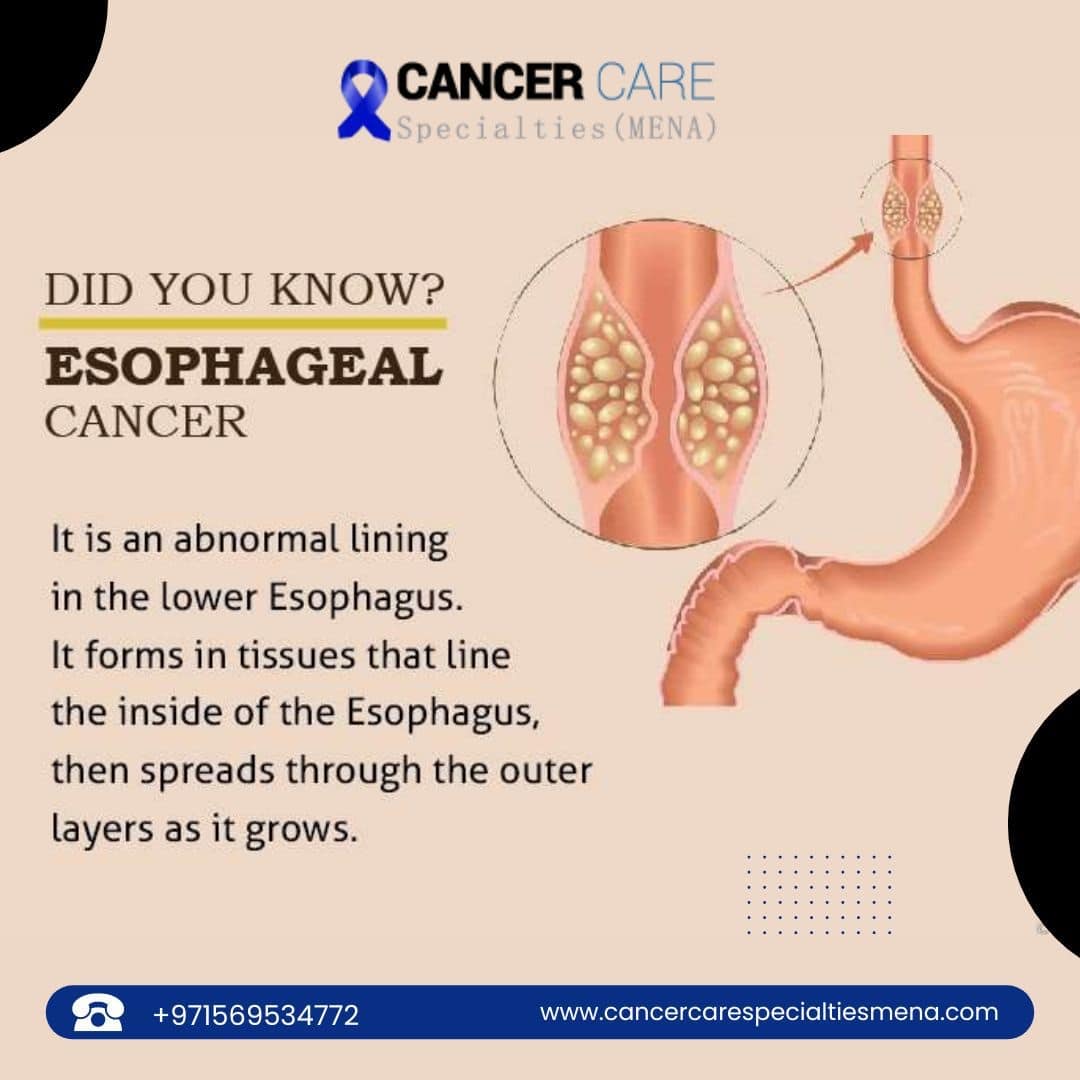
Esophageal cancer is a type of cancer that develops in the esophagus, the muscular tube that connects the throat to the stomach. There are two main types of esophageal cancer: squamous cell carcinoma and adenocarcinoma. 1. Squamous Cell Carcinoma: This type of esophageal cancer typically starts in the cells lining the esophagus. It is often associated with factors such as smoking, heavy alcohol consumption, and a history of acid reflux or gastroesophageal reflux disease (GERD). 2. Adenocarcinoma: Adenocarcinoma of the esophagus usually develops in the glandular cells in the lower part of the esophagus. It is often linked to risk factors such as obesity, gastroesophageal reflux disease (GERD), Barrett’s esophagus (a condition where the cells lining the lower esophagus change), and smoking. Symptoms of esophageal cancer may include: • Difficulty swallowing (dysphagia) • Unintentional weight loss • Chest pain or discomfort, especially when swallowing • Indigestion or heartburn that doesn’t go away • Persistent cough or hoarseness • Frequent vomiting • Regurgitation of food or blood • Fatigue Treatment for esophageal cancer depends on various factors, including the stage of the cancer, the location of the tumor, the overall health of the patient, and their preferences. Treatment options may include surgery, chemotherapy, radiation therapy, targeted therapy, immunotherapy, or a combination of these approaches. Early detection and treatment can improve outcomes for individuals with esophageal cancer. Screening tests such as endoscopy or imaging studies may be recommended for individuals at higher risk or experiencing symptoms suggestive of esophageal cancer. It’s essential to consult with a healthcare provider for proper evaluation and management if you have concerns about esophageal cancer or are experiencing symptoms. #esophagealcanceruae #oncologysurgeandubai #cancercareuae

Patient Appreciation
06 May
0

Patient Appreciation

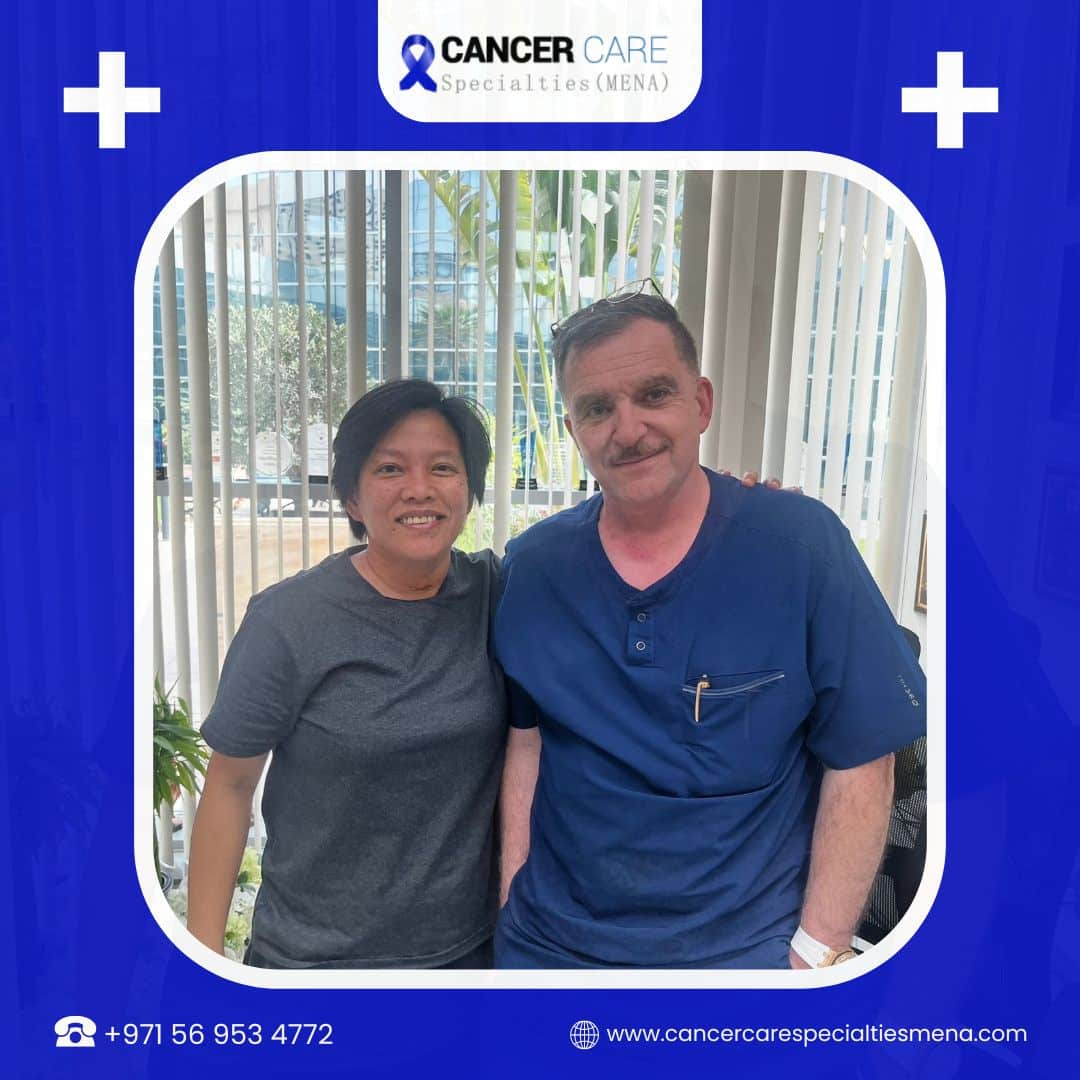
Smiling faces after successful treatment, a grin of gratitude for compassionate care, or an expression of joy when receiving good news about their health, happy faces reflect the trust, comfort, and satisfaction that patients felt in their healthcare journey. Dr sadir alrawi and team #bestoncologysurgeon #thyroidparathyroidsurgery #bestoncologycentreuae

03 May
0

SARCOMA

Sarcoma is a type of cancer that develops in the soft tissues or bones of the body. It can occur anywhere in the body but commonly affects the arms, legs, chest, or abdomen. Sarcomas are relatively rare compared to other types of cancer. There are two main types of sarcoma: 1. Soft Tissue Sarcoma: Soft tissue sarcomas develop in the soft tissues of the body, such as muscles, tendons, fat, blood vessels, nerves, and synovial tissues (the tissues around joints). 2. Bone Sarcoma: Bone sarcomas, also known as primary bone cancers, develop in the bones of the body. The most common types of bone sarcomas are osteosarcoma and chondrosarcoma. Symptoms of sarcoma may vary depending on the location and size of the tumor but can include: • A lump or swelling that may or may not be painful • Pain or tenderness, especially if the tumor presses on nerves or muscles • Limited range of motion in nearby joints • Unexplained weight loss • Fatigue The exact cause of sarcoma is often unknown, but certain risk factors may increase the likelihood of developing the disease, such as genetic predisposition, exposure to radiation, certain inherited syndromes, and previous treatment with certain chemotherapy drugs. Treatment for sarcoma typically involves a combination of surgery, radiation therapy, and chemotherapy. The specific treatment plan depends on factors such as the type, size, and location of the tumor, as well as the patient’s overall health and preferences. Early detection and prompt treatment are important for improving outcomes in sarcoma patients. Regular check-ups and imaging tests may be recommended for individuals with a higher risk of developing sarcoma or those with symptoms suggestive of the disease. #sarcomauae #bestsurgeonuae #bestoncologycentreuae

Bladder cancer awareness month
03 May
0

MAY AWARENESS PROGRAM

Month of May is the awareness month of bladder cancer and brain cancer as well Cancer awareness program by Dr Sadir Alrawi and team #bestsurgeonuae #bladdercanceruae #gastricballoondubai

03 May
0

HIPEC VS PIPAC

Hipec and Pipac are both treatments used in oncology, but they are quite different in terms of application and purpose. 1. HIPEC (Hyperthermic Intraperitoneal Chemotherapy): HIPEC is a procedure used to treat advanced abdominal cancers, particularly those that have spread within the abdomen. During HIPEC, heated chemotherapy drugs are circulated throughout the abdomen after the visible tumors have been removed through surgery. The goal is to kill any remaining cancer cells and prevent recurrence. 2. PIPAC (Pressurized Intraperitoneal Aerosol Chemotherapy): PIPAC is a newer technique that involves delivering chemotherapy drugs directly into the abdominal cavity in the form of an aerosol under pressure. This is done through laparoscopic surgery. PIPAC is typically used for peritoneal metastases, which are cancerous spread to the lining of the abdominal cavity. In summary, HIPEC is used after surgical removal of visible tumors to kill remaining cancer cells, while PIPAC is a minimally invasive technique for delivering chemotherapy directly into the abdominal cavity for peritoneal metastases. Each has its own indications and considerations based on the patient’s condition and the type of cancer being treated. #hipecdubai #pipacdubai #bestoncologysurgeonuae

03 May
0

ONLINE DOCTOR CONSULTATION

Virtual consultation with dr sadir alrawi and team #oncologysurgeon #bestoncologistdubai #bestoncologycenteruae

Oncology Center in Dubai
01 May
0

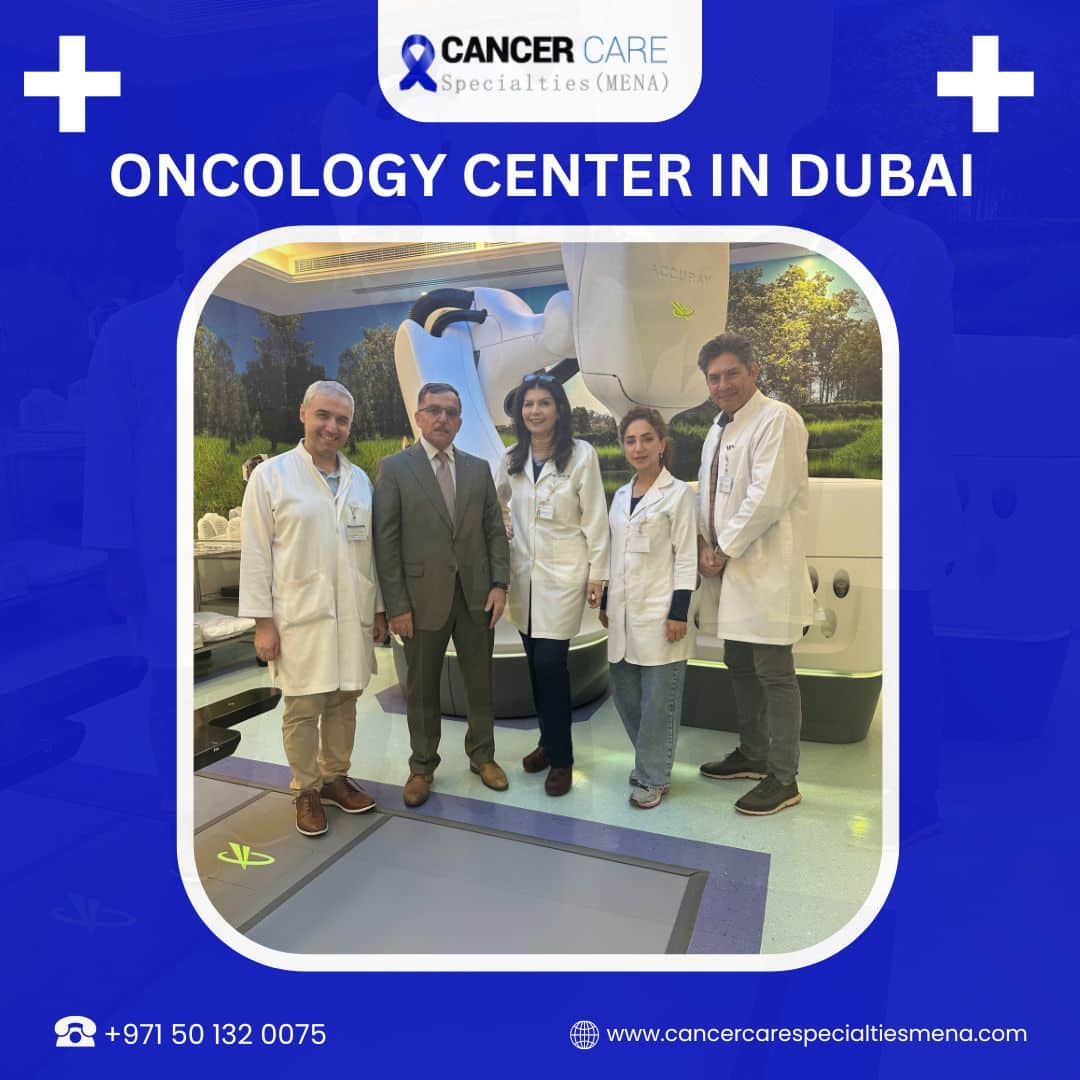
Oncology Center in Dubai

Best oncology center in Dubai, having CyberKnife as a key for localized Radiation, in certain type of cancers By Cancer care specialties Sadir Alrawi and his team #hipecdubai #parotiddubai #colorectalsurgerydubai #bestoncologyuae #bestbrestsurgerydubai #parathyroidsurgerydubai
30 Apr
0

BIOPSIES IN CANCER MANAGEMENT

A biopsy is a medical procedure in which a small sample of tissue is taken from the body for examination under a microscope. It’s commonly used to diagnose diseases such as cancer, infections, or inflammatory conditions. Biopsies can be done using various methods, including needle biopsies, surgical biopsies, or endoscopic biopsies, depending on the location and type of tissue being sampled. These are some of the most common types of biopsies, each tailored to the specific needs of diagnosing and treating different medical conditions. #bestoncologysurgeondubai #bestoncologycenteruae #topsurgeondubai