
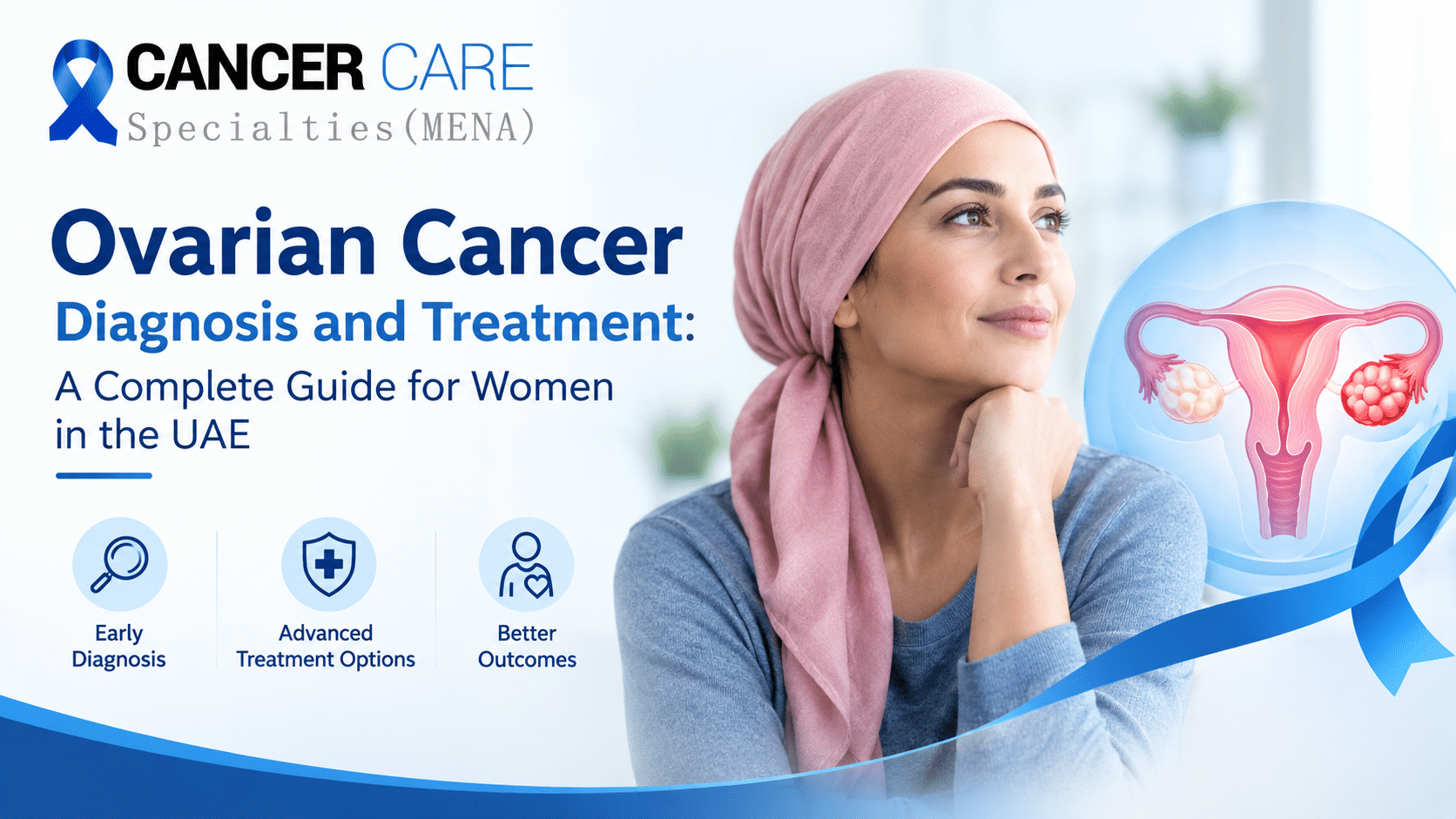
Ovarian cancer is a type of cancer that develops in the ovaries, the reproductive organs responsible for producing eggs and hormones. Early symptoms can be difficult to recognize because they may resemble common digestive or menstrual problems. Understanding the warning signs, diagnostic procedures, and available treatments can help women seek medical advice promptly.
Ovarian Cancer Treatment UAE involves personalized care based on the cancer’s type, stage, and the patient’s overall health. Access to specialist evaluation and appropriate treatment planning can help women understand their options and make informed healthcare decisions.
What Is Ovarian Cancer?
Ovarian cancer develops when abnormal cells in or around the ovaries grow uncontrollably. Epithelial ovarian cancer is the most common type, although other forms, including germ cell and stromal tumors, can also occur.
Risk factors may include increasing age, inherited genetic changes such as BRCA1 or BRCA2 mutations, and a family history of ovarian or breast cancer. However, ovarian cancer can also develop in women without known risk factors.
Consulting an Ovarian Cancer Specialist Dubai can help women understand their symptoms, risk factors, and appropriate next steps.
Common Symptoms of Ovarian Cancer:-
Ovarian cancer symptoms may be subtle initially. They can become more noticeable or persistent as the disease progresses. Women should seek medical advice when symptoms are unusual, frequent, or different from their normal experience.
Common warning signs include:
- Persistent abdominal bloating or swelling
- Pelvic or abdominal pain
- Feeling full quickly or difficulty eating
- Frequent urination or changes in bowel habits
These symptoms do not automatically indicate cancer, but persistent concerns deserve medical assessment.
How Is Ovarian Cancer Diagnosed?
Ovarian Cancer Diagnosis UAE may involve a combination of medical history, physical examination, imaging, and laboratory tests. Doctors may recommend a pelvic examination and ultrasound to assess the ovaries and identify suspicious masses.
Blood tests, including CA-125, may provide additional information, but this marker can also be elevated in non-cancerous conditions. It cannot confirm or exclude ovarian cancer on its own.
CT or MRI scans may help evaluate the extent of a suspected tumor. A definitive diagnosis usually requires examination of tissue by a pathologist, often following surgery or a biopsy when appropriate.
Ovarian Cancer Treatment Options:-
Treatment depends on the cancer type, stage, tumor characteristics, and the patient’s health and preferences. Surgery and chemotherapy are commonly used, while targeted medicines may be appropriate for selected patients.
| Treatment option | Main purpose |
| Surgery | Removes the tumor and, when necessary, affected tissues |
| Chemotherapy | Treats cancer cells using medicines |
| Targeted therapy | Acts on specific molecular features of cancer |
| Maintenance treatment | May help delay recurrence in selected patients |
Ovarian Cancer Treatment UAE may involve one or more approaches coordinated by a multidisciplinary oncology team.
The Role of Ovarian Cancer Surgery:-
Surgery can be a central part of treatment, particularly when the cancer can be removed safely. Depending on the diagnosis, an operation may involve removing one or both ovaries, the fallopian tubes, the uterus, or other affected tissues.
Ovarian Cancer Surgery UAE is planned according to the tumor’s location, stage, and the patient’s circumstances. In selected cases, fertility-preserving approaches may be considered, especially for certain early-stage cancers.
An Ovarian Cancer Specialist Dubai can explain the potential benefits, risks, recovery process, and alternatives before treatment begins.
Personalized Women’s Cancer Care:-
Every woman’s diagnosis and treatment needs are different. Some patients require surgery followed by chemotherapy, while others may benefit from additional genetic or molecular testing to guide treatment decisions.
Women’s Cancer Care Dubai can involve gynecologic oncologists, medical oncologists, radiologists, pathologists, genetic counselors, and supportive care professionals.
For eligible patients, targeted therapies such as PARP inhibitors may be considered based on specific clinical factors, including tumor characteristics and genetic test results.
Recovery and Follow-Up Care:-
Recovery after treatment may involve managing fatigue, changes in appetite, emotional concerns, and other side effects. Regular follow-up appointments help doctors monitor recovery and identify signs that require further investigation.
Ovarian Cancer Surgery UAE may require a recovery plan tailored to the type of operation performed. Patients should discuss activity restrictions, wound care, medication, and fertility or menopause-related concerns with their healthcare team.
Ongoing Women’s Cancer Care Dubai can also include emotional support, nutritional guidance, symptom management, and survivorship planning.
Conclusion:-
Ovarian cancer requires timely evaluation and a treatment plan tailored to the individual. Recognizing persistent symptoms and obtaining an accurate diagnosis can help women understand the available options.
Ovarian Cancer Diagnosis UAE may involve imaging, laboratory tests, and tissue examination. Depending on the findings, Ovarian Cancer Treatment UAE may include surgery, chemotherapy, or targeted therapies.
Working with an experienced Ovarian Cancer Specialist Dubai and a coordinated Women’s Cancer Care Dubai team can help patients navigate treatment, recovery, and follow-up with informed support.
Frequently Asked Questions
1. What are the early symptoms of ovarian cancer?
Persistent bloating, pelvic pain, feeling full quickly, and frequent urination can be warning signs that need medical evaluation.
2. Can ovarian cancer be detected early?
Early detection can be challenging because symptoms may be subtle. Report persistent symptoms and discuss personal risk factors with your doctor.
3. Is surgery always necessary for ovarian cancer?
Surgery is common, but treatment depends on the cancer type, stage, and individual circumstances. Specialists determine the most appropriate approach.
4. Who should consider genetic testing?
Women with ovarian cancer or a relevant family history may benefit from genetic counseling and testing, depending on clinical recommendations.