Cancer Care Center UAE

Educational | Cancer Care Center UAE

24 May
0

Dr Sadir Alrawi

Dr. Alrawi is well Known nationally and internationally experienced surgeon and surgical oncology for the last 35 years with the vast experience from a Iraq then went to England in which he had substantial jobs in Scotland and England and trained with the pioneers of surgical oncology including Professor Chuscieri from Nine Wells Hospital, Dundee, Mark Winslett From Royal Free Hospital, London and Lloyd Davis from Royal Cornwall Hospital, England. Dr. Alrawi has a substantial experience of 18 years in United States in which spend 10years in Florida with the vast experience in the endocrine including thyroid, parathyroid and parotid surgery after he completed his Head & Neck fellowship from Roswell Park cancer Institute, in addition to the vast experience in oncology cases. Dr. Alrawi has special training in advanced laparoscopic, gastrointestinal, breast, and endocrine surgery with emphasis of building centers of excellence in different places in the world including Florida Dubai, and Abu Dhabi. In 2013 Dr. Alrawi moved to United Arab Emirates in which he become the Chair of Surgery at Governmental Hospital, Al-Ain and Chief of surgical oncology at the same time subsequently built cancer Institute in Dubai and got accreditation for JCI for the breast program which is the first 1 outside United States from2015-2020. Subsequently become the CEO of dynamic Medical Center in Abu Dhabi and had built Cancer Institute with the help of all subspecialties to get international accreditation. He had more than 150 presentations in the local national and international meetings in addition published more than 70 papers in the peer-reviewed journal and more than 20 chapters book in a reputable publishing companies. Finally, Dr. Alrawi went to a Iraq and build another cancer center in Baghdad and also doing charitable support for all the needy people in both Middle East and United States. #parathyroiduae #parathyroidsurgeryabudhabi #thyroidsurgerydubai #femalebestsurgeondubai #oncoplasticbreastsurgeryuae #bestfistulasurgeonabudhabi #bestliversurgeondubai #bestpancreatisurgeonuae #liverresectionuae #refluxdiseaeuae #bestgastrosurgeonuae #bestsofttissuetumorresectionuae
23 May
0

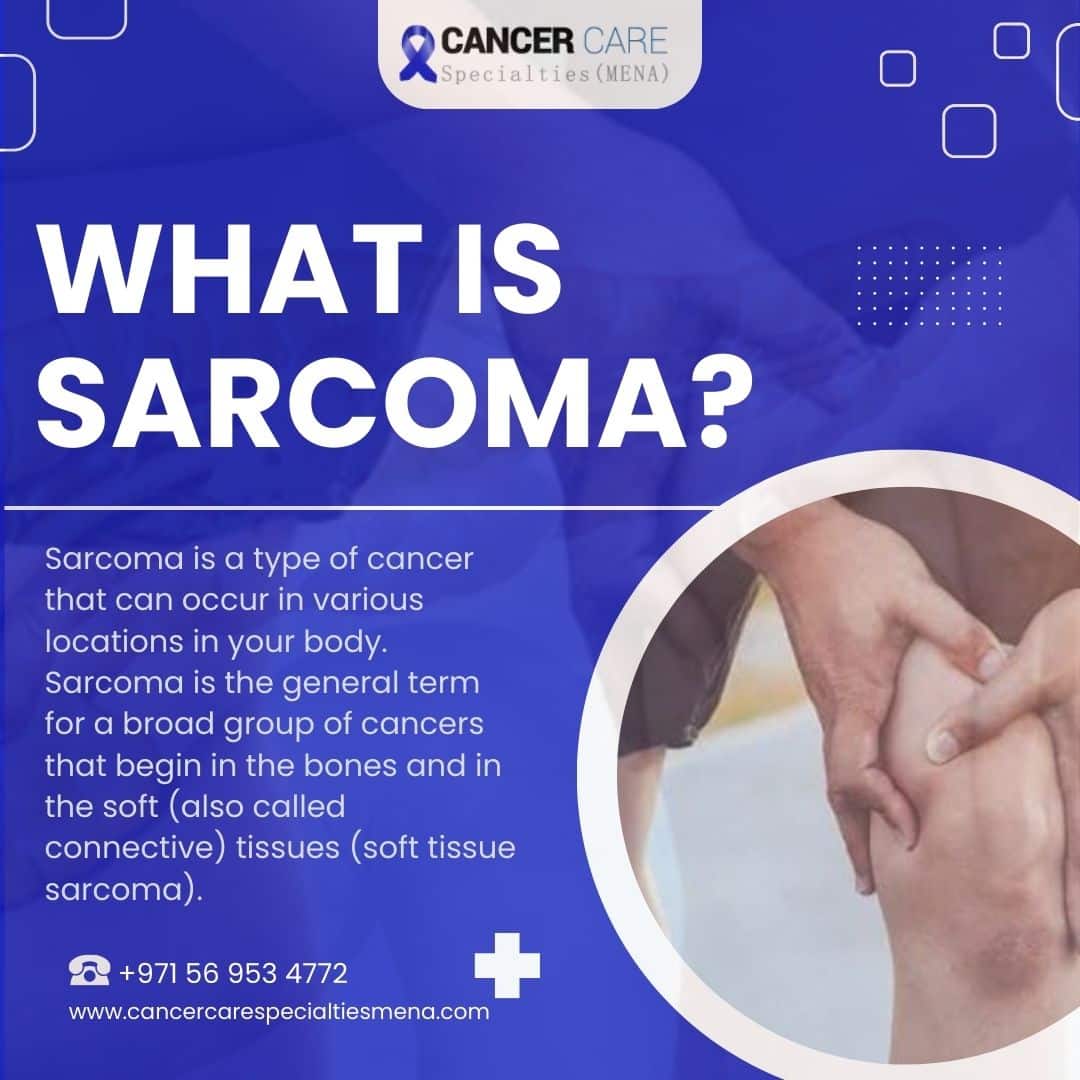
Sarcoma

Sarcoma is a type of cancer that originates in the connective tissues of the body, such as bone, muscle, cartilage, fat, blood vessels, or other soft tissues. There are many different subtypes of sarcoma, each with its own distinct characteristics and behaviors. Sarcomas are relatively rare compared to other types of cancer, accounting for about 1% of all adult cancers and 15% of childhood cancers. They can occur anywhere in the body but are most commonly found in the arms, legs, chest, abdomen, and retroperitoneum (the area behind the abdominal cavity). Symptoms of sarcoma can vary depending on the location and size of the tumor but may include a lump or swelling that may or may not be painful, pain or soreness at the site of the tumor, difficulty moving or using affected muscles or joints, and symptoms related to compression of nearby structures. Treatment for sarcoma often involves surgery to remove the tumor, sometimes combined with radiation therapy, chemotherapy, targeted therapy, or immunotherapy depending on the subtype and stage of the cancer. Multidisciplinary care involving a team of specialists, including surgeons, medical oncologists, radiation oncologists, and pathologists, is typically recommended for the management of sarcoma. Early detection and intervention can improve outcomes for individuals with sarcoma. #uterinetumoruae #bestthoraciconcologysurgeonuae #hipeconcologyteam #sarcomauae

22 May
0

Head & Neck Cancer Awareness

Head and neck cancer refers to cancers that develop in the tissues of the head and neck region, including the throat, mouth, nose, sinuses, larynx (voice box), and salivary glands. These cancers can arise from various cell types and may have different risk factors and treatment approaches. Common risk factors for head and neck cancer include tobacco and alcohol use, human papillomavirus (HPV) infection, exposure to certain chemicals or radiation, and poor oral hygiene. Symptoms can vary depending on the location and size of the tumor but may include persistent sore throat, difficulty swallowing, a lump or sore that doesn’t heal, changes in voice or hoarseness, and persistent ear pain. Treatment for head and neck cancer depends on factors such as the type, stage, and location of the cancer, as well as the patient’s overall health. It may involve surgery, radiation therapy, chemotherapy, targeted therapy, or a combination of these treatments. Early detection and prompt treatment can improve outcomes for individuals with head and neck cancer. #bestsurgeonuae #headandnecksurgeonuae #thyroidparathyroidsurgery #surgicaloncologistuae

13 May
0

CANCER RISK FACTORS

Common cancer risk factors include: 1. Tobacco Use: Smoking, chewing tobacco, and exposure to secondhand smoke are leading causes of cancer, including lung, mouth, throat, esophagus, and bladder cancer. 2. Excessive Alcohol Consumption: Heavy alcohol consumption increases the risk of several cancers, including those of the mouth, throat, esophagus, liver, breast, and colorectal. 3. Unhealthy Diet: A diet high in processed foods, red and processed meats, saturated fats, and low in fruits, vegetables, and whole grains is associated with an increased risk of colorectal, stomach, pancreatic, and other cancers. 4. Obesity and Physical Inactivity: Being overweight or obese, especially with excess fat around the waist, and lack of regular physical activity are risk factors for several cancers, including breast, colorectal, pancreatic, and kidney cancer. 5. UV Radiation: Exposure to ultraviolet (UV) radiation from sunlight or tanning beds increases the risk of skin cancer, including melanoma and non-melanoma skin cancers. 6. Exposure to Carcinogens: Exposure to carcinogenic substances such as asbestos, benzene, arsenic, radon, and certain chemicals used in industry or manufacturing processes increases the risk of developing cancer. 7. Family History and Genetics: Some cancers have a genetic component, and individuals with a family history of certain cancers may be at higher risk. Inherited genetic mutations, such as BRCA1 and BRCA2 mutations for breast and ovarian cancer, can also increase cancer risk. 8. Age: The risk of cancer increases with age, as cells accumulate genetic mutations over time. 9. Chronic Inflammation: Chronic inflammation caused by conditions such as inflammatory bowel disease (IBD), chronic infections, or autoimmune diseases can increase the risk of certain cancers. 10. Hormonal Factors: Hormonal factors, such as hormone replacement therapy (HRT), certain oral contraceptives, and early menstruation or late menopause, can affect cancer risk, particularly for breast and ovarian cancer. Reducing exposure to these risk factors and adopting healthy lifestyle habits can help lower the risk of developing cancer. Additionally, regular screening and early detection are essential for detecting cancer at an early, more treatable stage. #cancercaremena #cancercentreuae #bestsurgeonuae

08 May
0

CYBER KNIFE TREATMENT IN DUBAI

CyberKnife is a type of radiation therapy used to treat tumors, including brain tumors, spinal tumors, prostate cancer, lung cancer, liver cancer, and other conditions. Unlike traditional radiation therapy, CyberKnife delivers highly targeted radiation beams from multiple angles, using advanced imaging and robotic technology to precisely track and adjust for the tumor’s movement in real-time, even during breathing or slight patient movement. This approach allows for higher doses of radiation to be delivered to the tumor while minimizing damage to surrounding healthy tissue. CyberKnife treatment typically involves a few sessions, often completed within a week, and is considered an outpatient procedure, meaning patients can return home shortly after each session. CyberKnife is known for its accuracy, effectiveness, and reduced side effects compared to traditional radiation therapy. It can be used as a primary treatment or in combination with other therapies, depending on the specific type and location of the tumor and the patient’s overall health. As with any medical treatment, the suitability of CyberKnife therapy is determined on a case-by-case basis by a multidisciplinary team of healthcare professionals. #cyberknifeuae #cancercentredubai #radiationoncologydubai

07 May
0

Head and Neck Cancer

Head and neck cancer refers to a group of cancers that develop in the tissues of the head and neck region. This includes cancers of the oral cavity, throat (pharynx), voice box (larynx), nasal cavity, sinuses, salivary glands, and thyroid gland. Here are some key points about head and neck cancer: 1. Risk Factors: Risk factors for head and neck cancer include tobacco use (cigarettes, cigars, pipes), heavy alcohol consumption, human papillomavirus (HPV) infection, prolonged exposure to sunlight (for lip cancer), poor oral hygiene, a diet low in fruits and vegetables, and certain occupational exposures (such as to asbestos or wood dust). 2. Symptoms: Symptoms of head and neck cancer vary depending on the location and stage of the cancer but may include a persistent sore throat, difficulty swallowing, a lump or sore that does not heal, changes in voice or hoarseness, persistent ear pain, a lump in the neck, difficulty breathing or speaking, and unexplained weight loss. 3. Diagnosis: Diagnosis of head and neck cancer typically involves a combination of imaging tests (such as CT scans, MRI, PET scans), endoscopic examinations (using a flexible scope to visualize the inside of the throat or nasal passages), and biopsy (removal of a tissue sample for examination under a microscope). 4. Treatment: Treatment for head and neck cancer depends on factors such as the type, location, stage, and extent of the cancer, as well as the patient’s overall health and preferences. Treatment options may include surgery, radiation therapy, chemotherapy, targeted therapy, immunotherapy, or a combination of these modalities. 5. Prognosis: Prognosis for head and neck cancer varies depending on factors such as the stage of the cancer, the presence of certain genetic mutations (such as HPV status), and the effectiveness of treatment. Early detection and prompt treatment can improve outcomes and increase the likelihood of successful treatment. 6. Supportive Care: Patients with head and neck cancer may experience physical, emotional, and psychosocial challenges related to their diagnosis and treatment. Supportive care services, such as nutritional counseling, speech therapy, dental care, and support groups, can help address these needs and improve quality of life during and after treatment. 7. Prevention: Adopting a healthy lifestyle, including avoiding tobacco and excessive alcohol consumption, practicing safe sex to reduce the risk of HPV infection, maintaining good oral hygiene, and protecting the skin from prolonged sun exposure, can help reduce the risk of developing head and neck cancer. Overall, early detection, timely treatment, and comprehensive supportive care are key components of managing head and neck cancer and improving outcomes for affected individuals. #thyroiddubai #headabdneckcanceruae #bestsurgeonuae

07 May
0

SARCOMA

Sarcoma is a type of cancer that develops in the connective tissues of the body, such as bones, muscles, tendons, cartilage, nerves, and blood vessels. There are various subtypes of sarcoma, and treatment options depend on factors like the type, location, and stage of the cancer, as well as the patient’s overall health. Treatment for sarcoma typically involves a combination of therapies such as surgery, chemotherapy, radiation therapy, and targeted therapy. The specific approach may vary, but the goals usually include removing as much of the tumor as possible, killing any remaining cancer cells, and preventing the cancer from recurring. Surgery is often the primary treatment for sarcoma, especially if the tumor is localized and hasn’t spread to other parts of the body. In some cases, chemotherapy and/or radiation therapy may be used before or after surgery to shrink the tumor, kill any remaining cancer cells, or reduce the risk of recurrence. Targeted therapy, which uses drugs to target specific molecules involved in cancer growth, may also be used in certain cases, especially for advanced or recurrent sarcomas. Treatment plans are typically tailored to each individual’s specific situation, and patients may work closely with a multidisciplinary team of healthcare professionals, including surgeons, medical oncologists, radiation oncologists, and other specialists, to determine the most appropriate approach. Clinical trials may also be an option for some patients, offering access to new therapies or treatment combinations that are still being investigated. #sarcomauae #bestoncologyaurgeonuae #cancercentreuae

06 May
0

HBOT THERAPY

Hyperbaric oxygen therapy (HBOT) is a medical treatment that involves breathing pure oxygen in a pressurized chamber or room. The increased pressure allows your lungs to gather more oxygen than they would at normal air pressure, which helps deliver more oxygen to your bloodstream, tissues, and organs. HBOT is used to treat various medical conditions, including: 1. Decompression sickness: A condition that occurs when divers ascend too quickly, causing nitrogen bubbles to form in the bloodstream and tissues. 2. Carbon monoxide poisoning: HBOT helps remove carbon monoxide from the bloodstream faster than breathing normal oxygen. 3. Non-healing wounds: HBOT can promote wound healing by increasing oxygen delivery to damaged tissues. 4. Radiation injuries: HBOT may be used to treat radiation injuries, such as those resulting from cancer treatment. 5. Gas gangrene: A severe bacterial infection that produces gas within tissues, which can be treated with HBOT to kill bacteria and promote healing. 6. Crush injuries: HBOT may be used to reduce swelling and promote tissue repair in crush injuries. 7. Infections: Some infections, such as certain types of anaerobic bacterial infections, may respond to HBOT. HBOT is typically administered in a specialized chamber under the supervision of trained medical personnel. Treatment sessions may last anywhere from 30 minutes to 2 hours, and the number of sessions required varies depending on the condition being treated and the individual’s response to treatment. While HBOT can be beneficial for certain medical conditions, it also carries some risks, including temporary changes in vision, middle ear injuries, and oxygen toxicity. Therefore, HBOT should only be administered under the guidance of qualified healthcare professionals who can assess the risks and benefits for each individual patient. #bestprostatesurgeonuae #topprostatehospitaluae #bladdercanceruae

06 May
0

MELANOMA AND SKIN CANCER

Melanoma is a type of skin cancer that develops in the melanocytes, the cells that produce melanin, the pigment that gives your skin its color. It’s the most serious type of skin cancer, but if caught early, it’s highly treatable. Regular skin checks and sun protection are crucial for prevention. #melanomauae #bestsurgeonuae #cancercentreuae

06 May
0

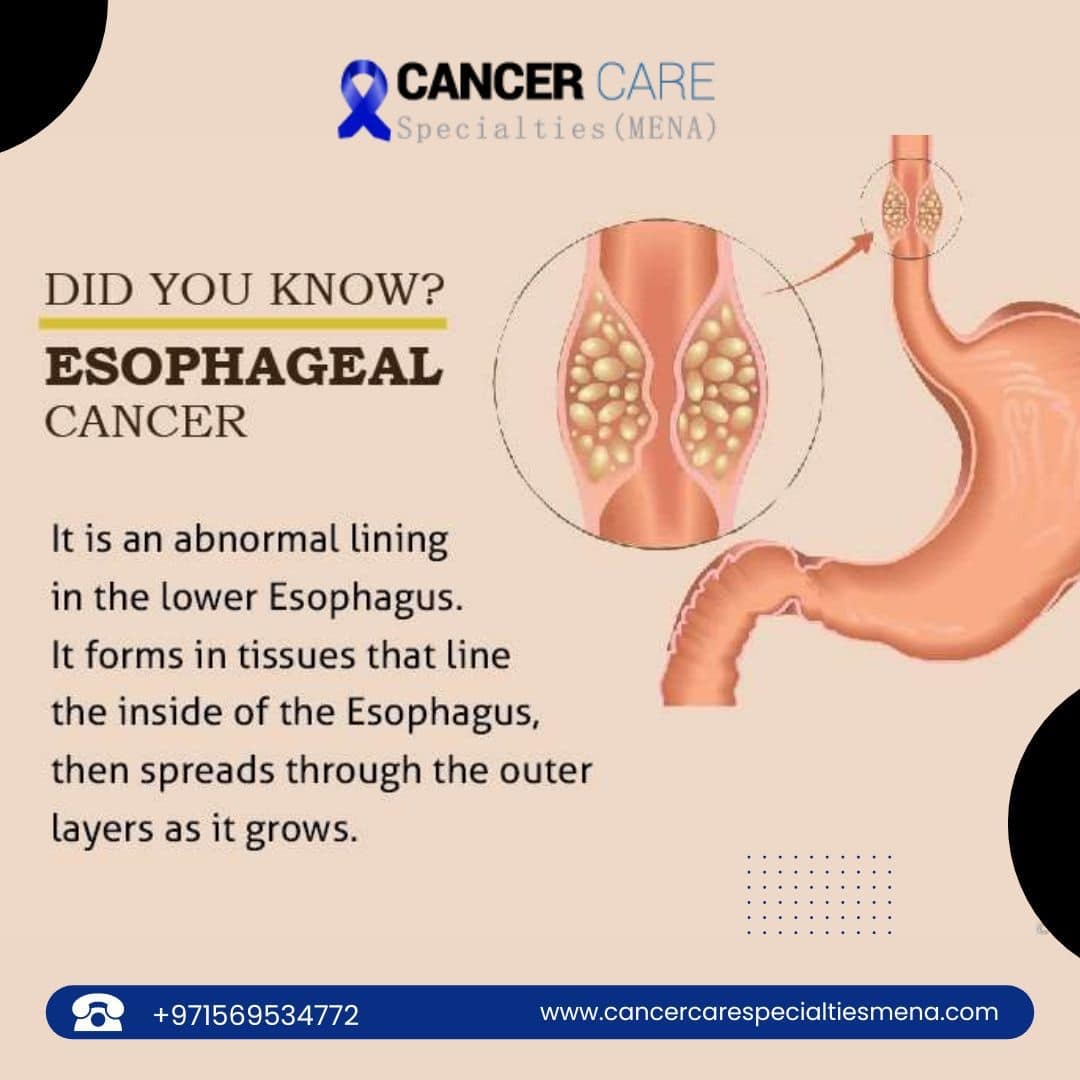
ESOPHAGEAL CANCER

Esophageal cancer is a type of cancer that develops in the esophagus, the muscular tube that connects the throat to the stomach. There are two main types of esophageal cancer: squamous cell carcinoma and adenocarcinoma. 1. Squamous Cell Carcinoma: This type of esophageal cancer typically starts in the cells lining the esophagus. It is often associated with factors such as smoking, heavy alcohol consumption, and a history of acid reflux or gastroesophageal reflux disease (GERD). 2. Adenocarcinoma: Adenocarcinoma of the esophagus usually develops in the glandular cells in the lower part of the esophagus. It is often linked to risk factors such as obesity, gastroesophageal reflux disease (GERD), Barrett’s esophagus (a condition where the cells lining the lower esophagus change), and smoking. Symptoms of esophageal cancer may include: • Difficulty swallowing (dysphagia) • Unintentional weight loss • Chest pain or discomfort, especially when swallowing • Indigestion or heartburn that doesn’t go away • Persistent cough or hoarseness • Frequent vomiting • Regurgitation of food or blood • Fatigue Treatment for esophageal cancer depends on various factors, including the stage of the cancer, the location of the tumor, the overall health of the patient, and their preferences. Treatment options may include surgery, chemotherapy, radiation therapy, targeted therapy, immunotherapy, or a combination of these approaches. Early detection and treatment can improve outcomes for individuals with esophageal cancer. Screening tests such as endoscopy or imaging studies may be recommended for individuals at higher risk or experiencing symptoms suggestive of esophageal cancer. It’s essential to consult with a healthcare provider for proper evaluation and management if you have concerns about esophageal cancer or are experiencing symptoms. #esophagealcanceruae #oncologysurgeandubai #cancercareuae