info@cancercarespecialtiesmena.com

Critical Trauma Care: Why Every Second Matters in Emergency Cancer Support | Cancer Care Center UAE
- Home
- Health Articles
- Critical Trauma Care: Why Every Second Matters in Emergency Cancer Support
22
مايو
0
When a medical emergency happens, quick action can make all the difference. In critical situations, especially for cancer patients and individuals with complex health conditions, trauma care is not just about treatment — it is about saving lives, reducing complications, and providing immediate support when it matters most.
At Cancer Care Specialties MENA, we understand the importance of rapid response and specialised emergency care. Behind every emergency is a dedicated medical team working tirelessly to provide patients with the best possible outcome.
Understanding Critical Trauma Care
Critical trauma care refers to immediate medical attention provided to patients experiencing severe injuries, complications, or life-threatening conditions. This can include:
- Severe infections
- Breathing difficulties
- Internal bleeding
- Sudden weakness or collapse
- Post-treatment complications
- Emergency pain management
- Accidents or physical trauma
For cancer patients, emergencies can become more complex due to weakened immunity, ongoing treatments, or existing medical conditions. That is why specialised trauma and emergency support plays a vital role in patient recovery and survival.
The Importance of Fast Medical Response
In trauma situations, time is one of the most important factors. Delays in diagnosis or treatment can increase risks and complications. A trained emergency team focuses on:
- Rapid patient assessment
- Immediate stabilisation
- Continuous monitoring
- Coordinated treatment planning
- Advanced life-support care
Quick response not only improves survival rates but also helps reduce long-term health complications.
Specialised Care for Cancer Patients
Cancer patients often require personalised emergency care because their bodies may respond differently during critical situations. Chemotherapy, radiation therapy, surgeries, and medications can weaken the immune system and affect overall health.
Specialised trauma care teams understand these unique challenges and provide:
1. Personalised Emergency Treatment
Every patient’s condition is different. Treatment plans are adjusted based on medical history, cancer stage, and ongoing therapies.
2. Compassionate Patient Support
Medical emergencies are emotionally overwhelming for both patients and families. Compassionate communication and emotional support are essential during critical moments.
3. Multidisciplinary Coordination
Trauma care often involves oncologists, emergency physicians, surgeons, nurses, and intensive care specialists working together for comprehensive treatment.
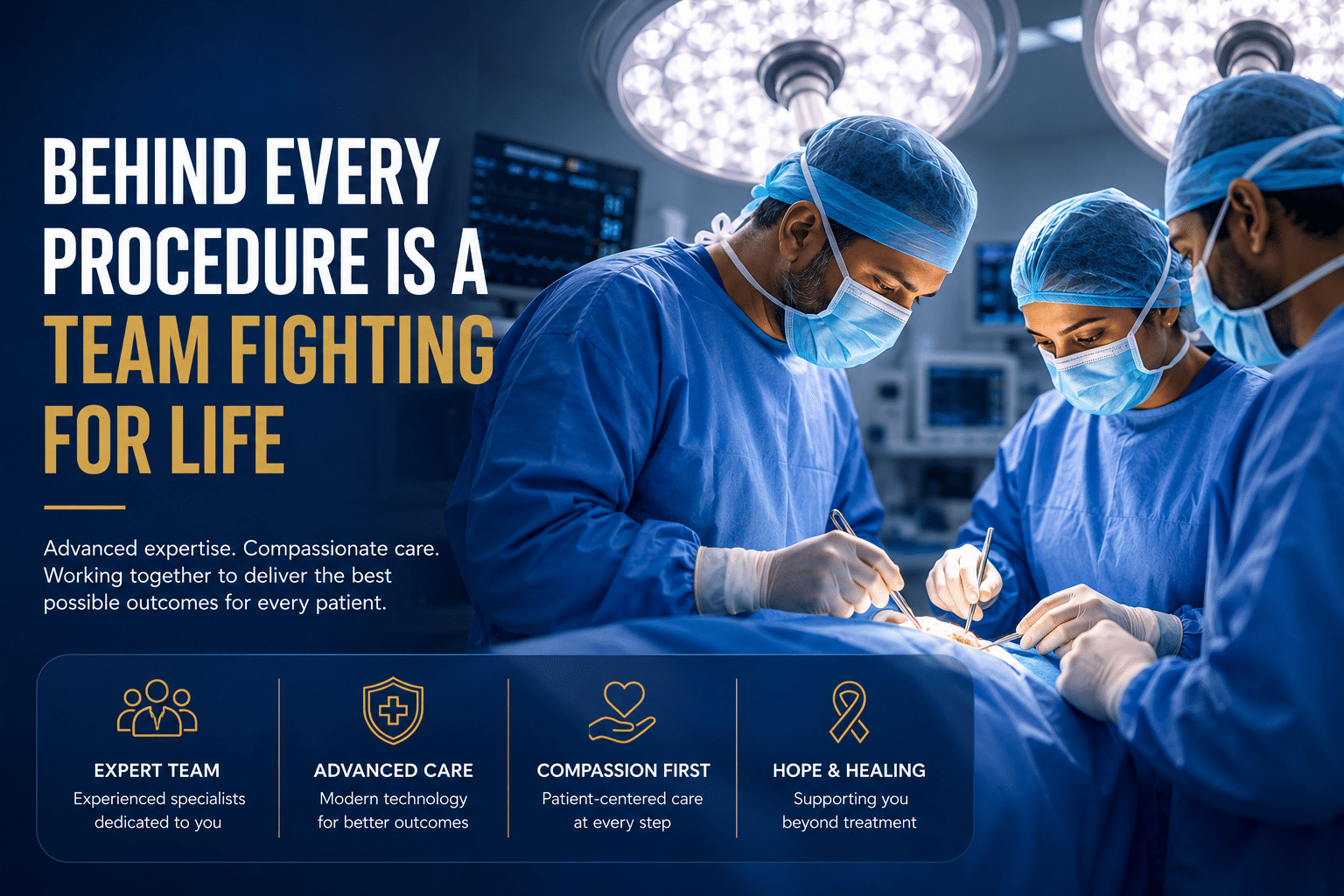
Behind Every Emergency Is a Dedicated Team
Emergency medicine is built on teamwork, expertise, and preparedness. Doctors, nurses, emergency responders, and support staff work around the clock to ensure patients receive immediate and effective care.
Their role goes beyond medical treatment. They provide reassurance, confidence, and hope during some of life’s most difficult moments.
At Cancer Care Specialties MENA, our mission is to support patients through every stage of care — including emergencies and critical situations. We believe every patient deserves fast, compassionate, and expert medical attention.
Final Thoughts
Critical trauma care is more than emergency treatment — it is a lifeline for patients and families facing urgent medical situations. With the right medical team, advanced support, and timely intervention, patients can receive the care they need when every second counts.
If you or your loved one needs specialised cancer support and emergency care guidance, visit Cancer Care Specialties MENA to learn more about our patient-focused healthcare services.