info@cancercarespecialtiesmena.com

28
أبريل
0
Search online for cancer treatment myths, and you’ll find a confusing mix of fear, half-truths, and outdated beliefs. Some of these ideas are so deeply ingrained that patients walk into consultations already anxious – sometimes even resistant to proven care.
Here’s the reality: oncology has changed dramatically. What people believed ten or twenty years ago doesn’t always apply today. From survival rates to side effects, the gap between perception and fact is wider than most realise. Let’s clear that up – plainly, honestly, and without the noise.
Is Cancer Always Fatal?
This is one of the most persistent cancer misconceptions – and one of the most damaging.
Short answer? No. Not even close.
Many cancers today are highly treatable, especially when detected early. In fact, cancer treatment success rates have improved significantly due to screening, early diagnosis, and oncology treatment advancements.
Here’s what often gets overlooked:
- Survival depends on cancer type, stage, and overall health
- Early-stage cancers can often be cured
- Even advanced cancers can be managed long-term
So when someone asks, “Is cancer always fatal?” – the answer is firmly no. That belief belongs in the past, not in modern medicine.
Does Chemotherapy Always Cause Hair Loss?
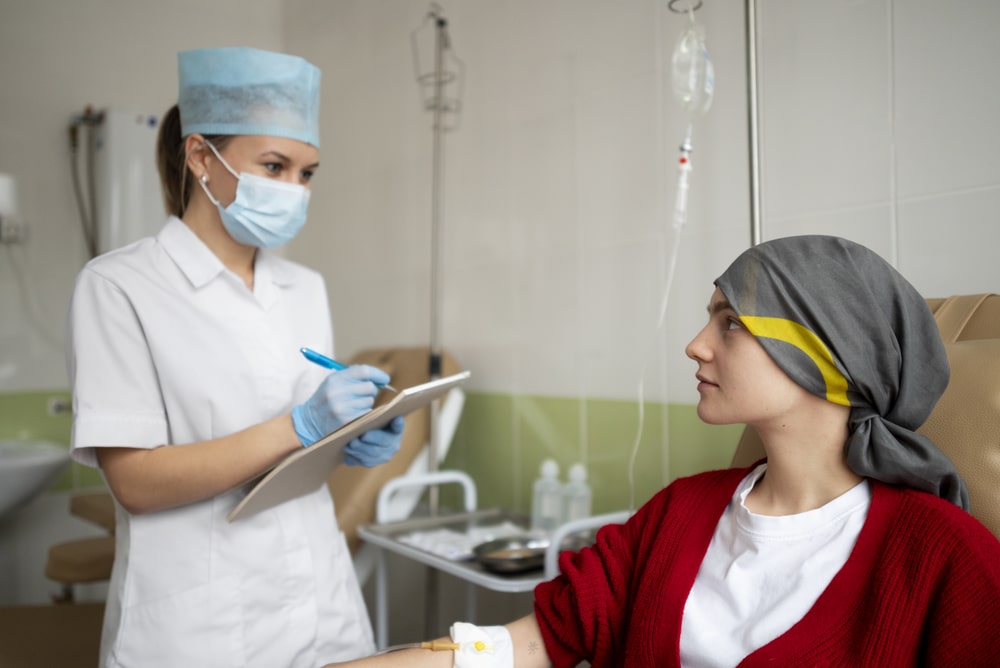
Let’s address this directly: Does chemotherapy always cause hair loss?
No. And this surprises many patients.
Hair loss depends on:
- The type of chemotherapy drug used
- Dosage and treatment duration
- Individual patient response
Some treatments cause noticeable hair thinning. Others don’t. With newer protocols and supportive care, chemotherapy side effects reality is far more manageable than it used to be.
Also worth noting:
- Hair loss, if it occurs, is usually temporary
- Cooling caps and supportive therapies can reduce impact
So yes, hair loss can happen – but it’s not universal, and it’s no longer the defining feature of treatment.
Are Side Effects Worse Than The Disease?
You’ll often hear people say treatment is worse than the cancer itself. That’s one of the more harmful cancer treatment myths.
Truth is, side effects of cancer treatment exist – but they’re increasingly controlled.
Modern oncology focuses on:
- Precision targeting of cancer cells
- Reducing damage to healthy tissue
- Improving patient comfort during treatment
This is where modern cancer treatments stand apart. Doctors now tailor therapies based on the patient, not just the disease.
And here’s a practical insight: most patients tolerate treatment better than they expect. The fear often comes from outdated stories – not current practice.
Radiation Therapy: Painful Or Misunderstood?
There are plenty of radiation therapy myths, but the biggest one is that it’s painful.
It isn’t.
Radiation itself is painless. Patients don’t feel it during the session. Some may experience side effects over time – like skin irritation or fatigue – but these are monitored and managed carefully.
In advanced centres across the UAE, radiation techniques are highly precise. That means:
- Lower exposure to surrounding tissues
- Fewer complications
- Better treatment outcomes
So if you’re imagining something harsh or unbearable, that image needs updating.
Can Natural Remedies Replace Medical Treatment?
This is where things get risky.
There’s a growing belief in alternative cancer treatments myths – the idea that herbal remedies or diets alone can cure cancer.
They cannot.
Let’s be clear:
- Natural therapies may support overall wellbeing
- They do not replace surgery, chemotherapy, or radiation
- Some supplements can interfere with treatment
Doctors often encourage supportive care – nutrition, mental health support, lifestyle changes – but these work alongside medical treatment, not instead of it.
When people ask, “Can cancer be cured naturally?” – the honest answer is no, not without evidence-based medical care.
Targeted Therapy Vs Chemotherapy: What’s The Difference?
Another area full of confusion.
The debate around targeted therapy vs chemotherapy isn’t about which is “better” – it’s about which is appropriate.
- Chemotherapy affects rapidly dividing cells
- Targeted therapy focuses on specific cancer cell markers
- Immunotherapy (yes, immunotherapy facts matter here) helps the immune system attack cancer
These are not competing options. They’re tools. Often used together.
And this is where cancer treatment facts vs myths become important – because treatment today is personalised, not one-size-fits-all.
A Quick Reality Check On Cancer Awareness
Here’s something worth saying plainly: misinformation spreads faster than medical advice.
Social media, WhatsApp forwards, anecdotal stories – they shape public thinking more than clinical data. That’s why cancer awareness education matters now more than ever.
If something sounds dramatic or too good to be true, it usually is.
Trust oncology specialists. Not trending opinions.
Closing Thoughts
Cancer care today is more advanced, more precise, and more patient-focused than ever before. Many long-standing cancer misconceptions simply don’t reflect current medical reality.
If you or a loved one is facing a diagnosis, don’t rely on assumptions or outdated beliefs. Speak with experienced oncology specialists, understand your options, and make decisions based on facts – not fear.
For personalised guidance, second opinions, or access to advanced treatment options, you can connect with experts through Cancer Care Specialties MENA – helping patients across the UAE access coordinated, evidence-based cancer care.
FAQs
1. Is Cancer Always Fatal?
No. Many cancers are treatable or curable, especially when diagnosed early and managed with modern cancer treatments.
2. Does Chemotherapy Always Cause Hair Loss?
No. Hair loss depends on the drug type and dosage; some patients experience minimal or no hair loss.
3. Are Side Effects Of Cancer Treatment Severe?
Side effects vary but are now better managed due to oncology treatment advancements and personalised care approaches.
4. Can Alternative Therapies Cure Cancer?
No. Alternative cancer treatment myths are misleading; such methods cannot replace proven medical treatments like chemotherapy or surgery.
5. Is Radiation Therapy Painful?
No. Radiation therapy is painless during sessions, though mild side effects like fatigue or skin irritation may occur later.